TLDR;
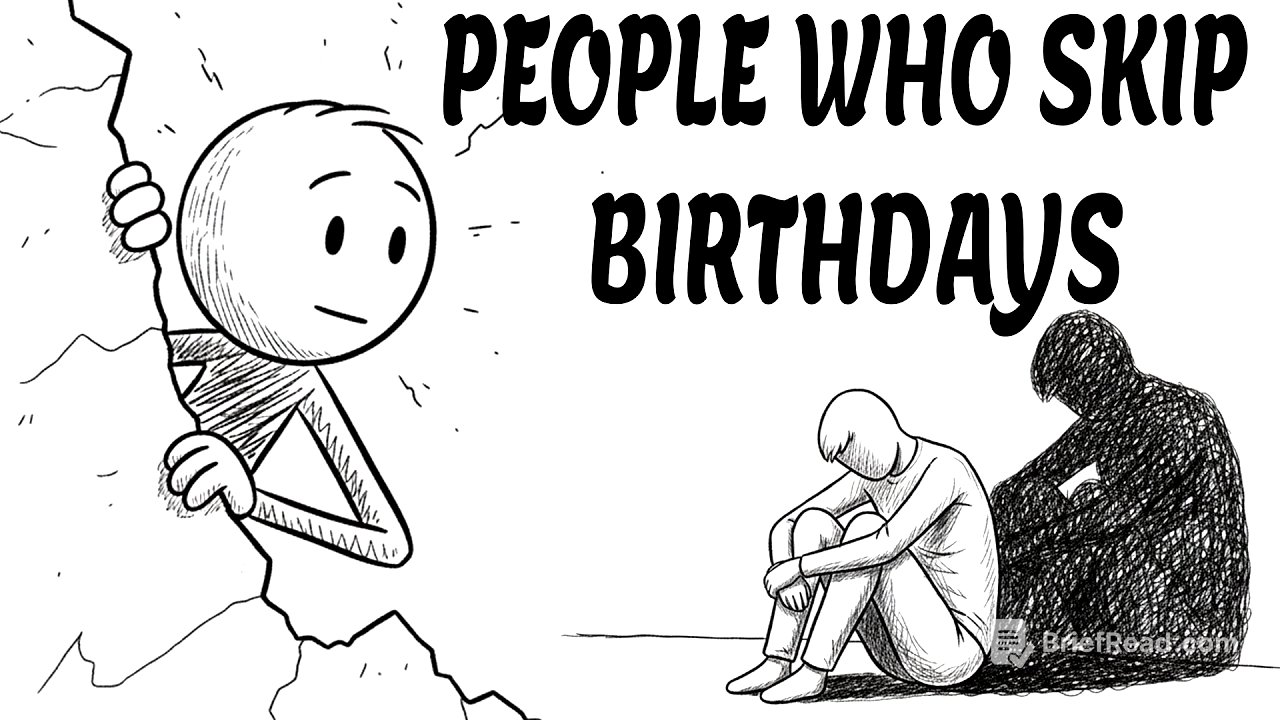
The video explores the reasons why people have different attitudes towards their birthdays, ranging from elaborate celebrations to complete indifference. It identifies three main groups: those who have experienced repeated disappointment and associate birthdays with pain, those who are too caught up in the busyness of life to give it much thought, and those who possess emotional independence and find validation within themselves. The video suggests that one's attitude toward birthdays can reflect deeper aspects of their personality and psychological well-being.
- Some people don't celebrate due to past disappointments.
- Others are too busy to notice or care.
- Some find internal validation, making external celebrations unnecessary.
Introduction [0:00]
The video begins by posing the question of why people have such varied reactions to their birthdays, with some embracing grand celebrations and others treating it as just another day. It suggests that the reasons behind these differing attitudes may stem from sadness, maturity, or deeper psychological factors, encouraging viewers to consider what their own attitude reveals about themselves.
Learned Helplessness [0:31]
For some, the lack of birthday celebration is rooted in past disappointments. These individuals may have experienced repeated instances of forgotten birthdays or poorly attended events, leading to a sense of not being celebrated. This can result in what psychologists term "learned helplessness," where the brain adapts to expect disappointment and, as a result, the person stops anticipating or desiring any special recognition on their birthday. The birthday becomes just another day to avoid potential hurt.
Time Blindness [1:02]
Another group consists of those who are simply too preoccupied with the demands of modern life to focus on their birthday. Work deadlines, studies, and family responsibilities can create a sense of "time blindness," where special occasions are overshadowed by the constant influx of tasks and obligations. It's not necessarily that they forget or don't care, but rather that their attention is stretched so thin that their birthday gets squeezed out by other priorities.
Emotional Independence [1:30]
A third group comprises individuals who are aware of their birthday but don't feel the need to celebrate it. This isn't due to loneliness or busyness, but rather a sense of emotional independence. Research suggests that people who rely on external validation for their self-worth tend to be less emotionally stable than those who find validation within themselves. This mindset aligns with self-determination theory, which posits that true well-being arises from autonomy, competence, and inner satisfaction. For these individuals, maturity involves recognising their inherent worth, independent of external celebrations.
Mindset and Daily Life [2:14]
The video highlights that this attitude extends beyond birthdays, influencing how these individuals approach life in general. They don't seek constant recognition or crave the spotlight, finding contentment in their everyday experiences. While they may still experience loneliness, they've trained themselves to appreciate each day as special, rather than relying on a single annual event for validation.
Conclusion [2:40]
In conclusion, the video suggests that whether one chooses to throw a lavish party or ignore their birthday altogether, it reveals something significant about their personality. It could be a reflection of past pain, current priorities, or a mature sense of inner peace. The video prompts viewers to consider their own attitude towards birthdays and what it might signify about their own psychological makeup.





![Peppa Pig - Granny and Grandpa's Attic (42 episode / 2 season) [HD]](https://wm-img.halpindev.com/p-briefread_c-10_b-10/urlb/aHR0cDovL2ltZy55b3V0dWJlLmNvbS92aS9pWmltUlJDU3h6SS9ocWRlZmF1bHQuanBn.jpg)