TLDR;
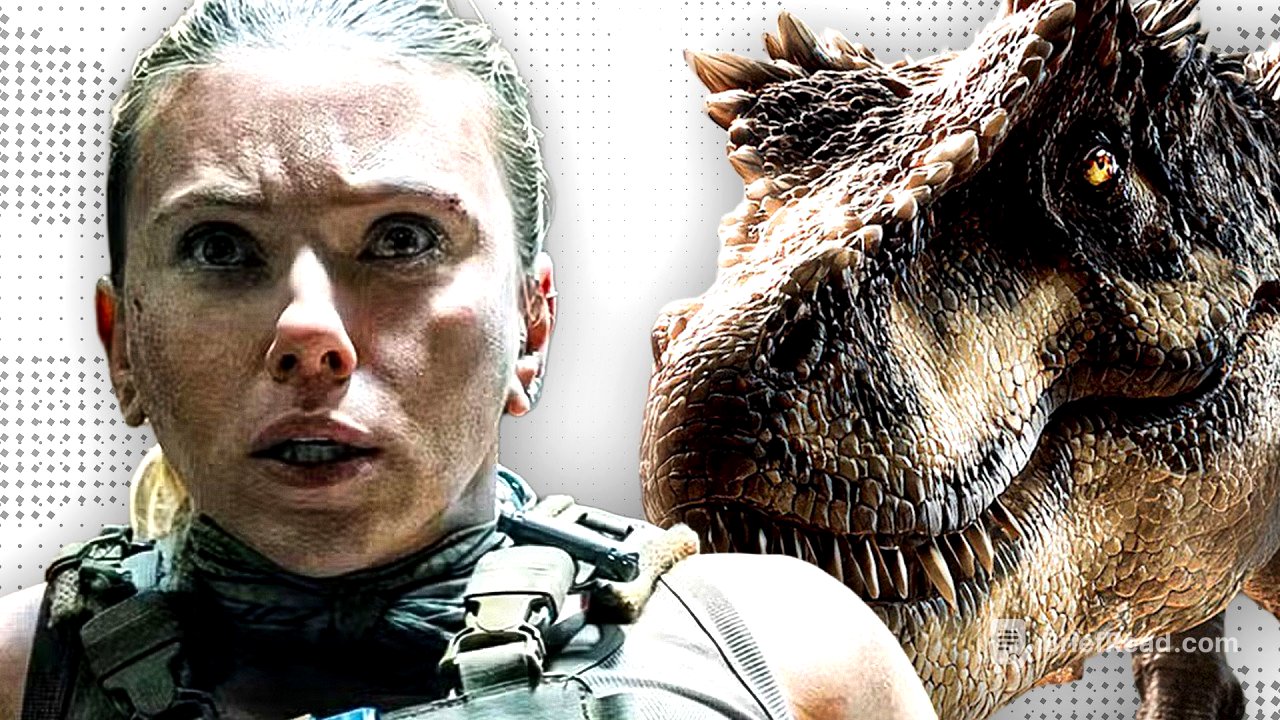
This video analyses the decline in quality of the Jurassic Park/World franchise, arguing that the films have systematically abandoned a core principle that made the original Jurassic Park so impactful: treating dinosaurs as animals rather than monsters. The video explores how the sequels have prioritised spectacle over substance, leading to a loss of wonder and emotional connection with the audience. It also examines structural flaws in the scripts, character development issues, and the replacement of awe with pity, all contributing to the franchise's diminishing returns.
- The franchise lost its way by prioritising spectacle and monster movie tropes over the original's focus on dinosaurs as animals.
- Script structure and character development have been weakened by checklist-style missions and a lack of meaningful character arcs.
- The introduction of human-dinosaur hybrids and the portrayal of dinosaurs with malice undermined the original's moral complexity.
- Attempts to recapture the wonder of the original have been unsuccessful, often replaced by a sense of pity for the creatures.
Intro - The Jurassic World Rebirth Symptom [0:00]
The video begins by questioning why a franchise centred around awe-inspiring dinosaurs consistently produces underwhelming films. Despite having promising elements such as a large budget, the return of the original screenwriter, and a director known for realistic creature portrayals, "Jurassic World Rebirth" received mediocre reviews. The video posits that "Rebirth" is not the core issue, but rather a symptom of a long-term decline caused by the systematic abandonment of a key principle from the original "Jurassic Park". The video aims to explore how the franchise has gradually lost its essence over the past 30 years.
History - From Jurassic Park to Dominion [1:13]
The video traces the history of the Jurassic Park franchise, starting with the original film's massive success in 1993. It highlights the perfect alignment of elements like Spielberg's direction, Crichton's adaptation, and groundbreaking visual effects. The video then discusses the sequels, "The Lost World" and "Jurassic Park III", noting their declining critical and financial performance. It mentions a rejected script featuring human-dinosaur hybrids with weapons, before discussing the "Jurassic World" reboot in 2015, which initially saw great success. The video then covers "Fallen Kingdom" and "Dominion", pointing out their diminishing returns and critical failures, with "Dominion" having the lowest Rotten Tomatoes score in the franchise. The video suggests that the films' forgettability is a symptom of a deeper problem: a disconnect from something real. Universal's attempt to correct this trajectory by bringing back the original screenwriter and a director known for realistic creature portrayals ultimately failed.
The Illusion of Stakes - The Script's Structural Flaw [5:30]
The video argues that "Rebirth" suffers from a flawed script structure, built around a checklist-style mission to extract DNA from various dinosaurs. This structure lacks a driving question or escalating stakes, resulting in a sequence of events rather than a compelling story. Unlike the original "Jurassic Park," where the T-Rex breakout dramatically shifted the film's focus, "Rebirth" maintains the same objective throughout, preventing character development and creating a sense of monotony. The video also points out a contradiction in the premise of "Rebirth," which attempts to return to an isolated island setting despite previous films establishing dinosaurs' global spread. The video criticises the film's opening scene, where a candy wrapper causes a security failure, arguing that it lacks the moral weight and human agency of Nedry's betrayal in the original film. The video also highlights the film's climax, where a character's sacrifice is reversed without explanation, undermining the emotional stakes.
Breaking the Golden Rule - Spielberg vs. The Indominus Rex [9:44]
The video identifies a crucial rule established by Spielberg in the original "Jurassic Park": dinosaurs should be treated as animals, not monsters. This rule shaped the film's narrative, placing the blame for the chaos on human arrogance and the belief that nature can be controlled. The video argues that "Jurassic World" broke this rule by portraying the Indominus Rex as a malicious creature that kills for sport and deliberately exploits the raptor social hierarchy. This portrayal transforms the film into a monster movie, eliminating the moral complexity of the original. "Fallen Kingdom" further exacerbates this issue with the Indoraptor, which is depicted as a slasher villain. While "Rebirth" attempts to portray natural dinosaurs with scale and realism, it ultimately undermines this effort by introducing the distort Rex, a biologically impossible creature that reinforces the monster movie trope.
Forgetting How to Look Up - The Brachiosaurus & Wonder [12:45]
The video emphasises the importance of wonder in the original "Jurassic Park," citing the brachiosaurus scene as a prime example. Spielberg understood that the mere existence of these creatures was enough to create spectacle, as long as they were portrayed as real animals bound by nature. The video argues that the "World" trilogy diminished this sense of wonder through sheer volume, constantly introducing new hybrids and explosions, leading to audience numbness. While "Rebirth" attempts to recapture the wonder by slowing down and showcasing the scale of natural dinosaurs, it undermines this effort with its opening scene, which depicts a dying apatosaurus being ignored by traffic. This scene evokes pity rather than wonder, creating a sense of sadness and undermining the audience's ability to experience genuine awe.
Consequence-Free Cinema - Rebirth's Character Problem [15:59]
The video shifts focus to character development, arguing that good stories require characters to overcome internal obstacles. The original "Jurassic Park" effectively used Alan Grant's inability to connect with children as a central conflict, shaping his decisions and creating a compelling character arc. In contrast, "Rebirth" gives Zora Bennett a backstory of grief, but it doesn't affect her actions or decisions. Her flaws are never put to work, and her eventual moral choice feels unearned. Dr. Lumis, the film's moral voice, is undermined by physical comedy, preventing his serious moments from landing. Despite having a genuine contradiction at the centre of his character – believing dinosaurs should be left alone while participating in a corporate mission – the film never explores this conflict.
How to Get the Magic Back - The Franchise's True Villain [19:53]
The video concludes that the "Jurassic World" franchise, like the park in the films, has prioritised spectacle over substance, constantly seeking bigger and louder creatures to fill seats. This approach has led to a decline in audience engagement, not because the films are technically worse, but because they have failed to make the dinosaurs believable. The video reiterates Spielberg's rule from the original "Jurassic Park": dinosaurs should be treated as animals, not monsters. While "Rebirth" attempts to recapture this essence in certain sequences, it ultimately fails by introducing a six-limbed monster and losing sight of the franchise's soul. The video suggests that the franchise itself has become the villain, prioritising corporate thinking over genuine storytelling.