
TLDR;
This video provides an in-depth overview of eggs as an essential food group, covering their structure, composition, quality evaluation, selection, handling, preservation, and culinary applications. By the end of the session, students will gain knowledge about the nutritional value of eggs, how to identify their quality, and how to use them effectively in various recipes.
- Eggs are rich in nutrients and suitable for all age groups.
- Understanding the structure, composition, and proper handling of eggs ensures quality and safety in culinary applications.
Introduction to Egg Nutrition [0:00]
In this chapter, the focus is on introducing eggs as a vital food source. The primary function of an egg is to support chick development, with eggshell providing protection and essential nutrients for the embryo. Chicken eggs are the most commonly consumed type, offering significant health benefits for all ages when consumed in moderation.
Structure of the Egg [3:00]
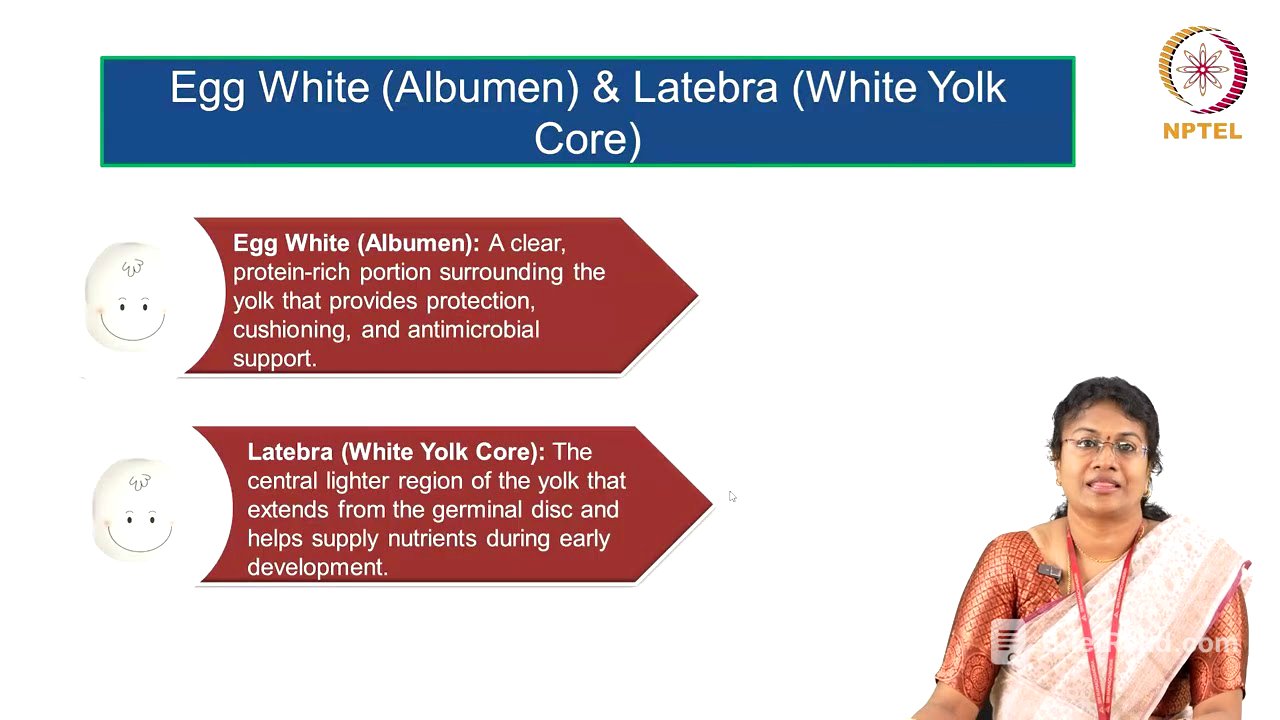
The chapter elaborates on the egg's structure, detailing its components: the eggshell, cuticle, chalaza, albumen (egg white), yolk, and membranes. The eggshell, made primarily of calcium carbonate, protects the inner contents and is porous, allowing for gas exchange. The cuticle prevents moisture loss and microbial entry. The chalaza holds the yolk in place, while the albumen provides protection and is rich in protein.
Composition of Eggs [9:00]
This section discusses the nutritional composition of eggs. The eggshell is mainly composed of calcium carbonate, while the albumen contains high amounts of water and protein. Egg yolks are nutrient-dense, being rich in fats, vitamins, and minerals. The contrast between the yolk's and albumen's nutritional compositions highlights the importance of both parts.
Nutritional Value of Eggs [20:00]
Here, the nutritional breakdown per 100 grams of egg is discussed. Eggs provide essential nutrients such as proteins, fats, vitamins, and minerals, including phosphorus and iron. While eggs are a source of complete protein and beneficial nutrients, they lack vitamin C, making them a valuable addition to a healthy diet when consumed as part of a balanced meal plan.
Egg Quality Evaluation [26:00]
The chapter describes how to evaluate egg quality, focusing on external and internal factors. Characteristics indicating high quality include a clean, unbroken shell and thick albumen. Methods for testing quality include candling and floating tests, with fresh eggs sinking in water, while older eggs float.
Deterioration of Eggs [32:00]
This section explains how eggs deteriorate over time, highlighting the effects of temperature and storage conditions on quality. Changes include a watery albumen, enlarged air cell, and weakened yolk. Chemical alterations result in increased pH and microbial growth, necessitating proper storage practices.
Egg Cookery [39:00]
The chapter discusses the role of eggs in cooking, including the effects of heat application and factors affecting coagulation. Cooking temperatures are critical, with yolks and whites coagulating at specific temperatures. Certain ingredients like sugar and acids can modify coagulation, while proper cooking methods can prevent foodborne illnesses from pathogens like Salmonella.
Handling and Preserving Eggs [46:00]
In this section, guidance on the proper handling and preservation methods for eggs is presented. Eggs should be refrigerated immediately after purchase, used within one to two weeks, and broken ones discarded. Freezing, cold storage, and drying are suggested methods for extending egg shelf life.
Culinary Applications [52:00]
This chapter introduces various egg-based recipes, including poached eggs, scrambled eggs, and soufflés. Eggs serve multiple functions in cooking: they act as a binding agent, emulsifier, leavening agent, and provide flavour and texture to numerous dishes, showcasing their versatility in the kitchen.
Conclusion [59:40]
The final chapter summarises the importance of understanding egg structure, composition, and correct handling for nutritional assessment and safe consumption. Knowledge of these factors can enhance cooking outcomes and contribute to a healthier lifestyle by incorporating eggs into a balanced diet.








![Peppa Pig - Granny and Grandpa's Attic (42 episode / 2 season) [HD]](https://wm-img.halpindev.com/p-briefread_c-10_b-10/urlb/aHR0cDovL2ltZy55b3V0dWJlLmNvbS92aS9pWmltUlJDU3h6SS9ocWRlZmF1bHQuanBn.jpg)