TLDR;
This video explores how the fear of being perceived as a bad person can be weaponised against you, leading to exhaustion and a loss of personal sovereignty. It introduces Carl Jung's concept of shadow work as a means to reclaim disowned aspects of the self and achieve psychological freedom. The video discusses the role of the family scapegoat, the dynamics of narcissistic abuse, and the importance of ego death in breaking free from toxic systems. It provides practical strategies, such as the "yes, and" technique, to neutralise manipulation and cultivate internal sovereignty, ultimately transforming the meaning of being labelled a villain from a source of shame to a symbol of liberation and inaccessibility.
- Toxic people weaponise your morality against you.
- The family scapegoat is often the most psychologically aware.
- Psychological sovereignty begins when you stop seeking moral permission from toxic people.
Introduction: The Trap of Goodness [0:00]
The video begins by highlighting the exhaustion that comes from constantly trying to prove oneself to others, especially when boundaries are met with accusations of being selfish or cruel. It suggests that toxic individuals exploit the fear of being seen as a bad person to control and manipulate. The core idea is that true freedom lies in accepting the role of the "villain" as defined by these individuals, thereby dismantling their power and reclaiming one's life.
Understanding People-Pleaser Psychology [4:02]
The desire to be seen as good can be a trap, as manipulators exploit this need to control others. People-pleasing often masks itself as patience and compassion, but it leads to exhaustion and resentment. Toxic people demand empathy without offering it in return, distorting your words and treating self-protection as betrayal. Attempts to clear your name only strengthen their control, as it confirms your need for their approval. Boundaries expose the unhealthy dynamic, leading to attacks on your character and identity.
The Family Scapegoat and Toxic Systems [8:13]
The family scapegoat is often the most perceptive person, noticing contradictions and refusing to conform to dysfunction. Toxic systems protect themselves by projecting their issues onto this individual, reframing their sensitivity as instability and their boundaries as disrespect. In narcissistic abuse recovery, it's crucial to heal not just from the abuse itself, but from the distorted interpretations imposed upon you. Being labelled a monster is preferable to being a slave to others' expectations. Toxic systems need a designated problem to maintain the illusion of purity for everyone else.
Carl Jung's Shadow Work and Ego Death [13:11]
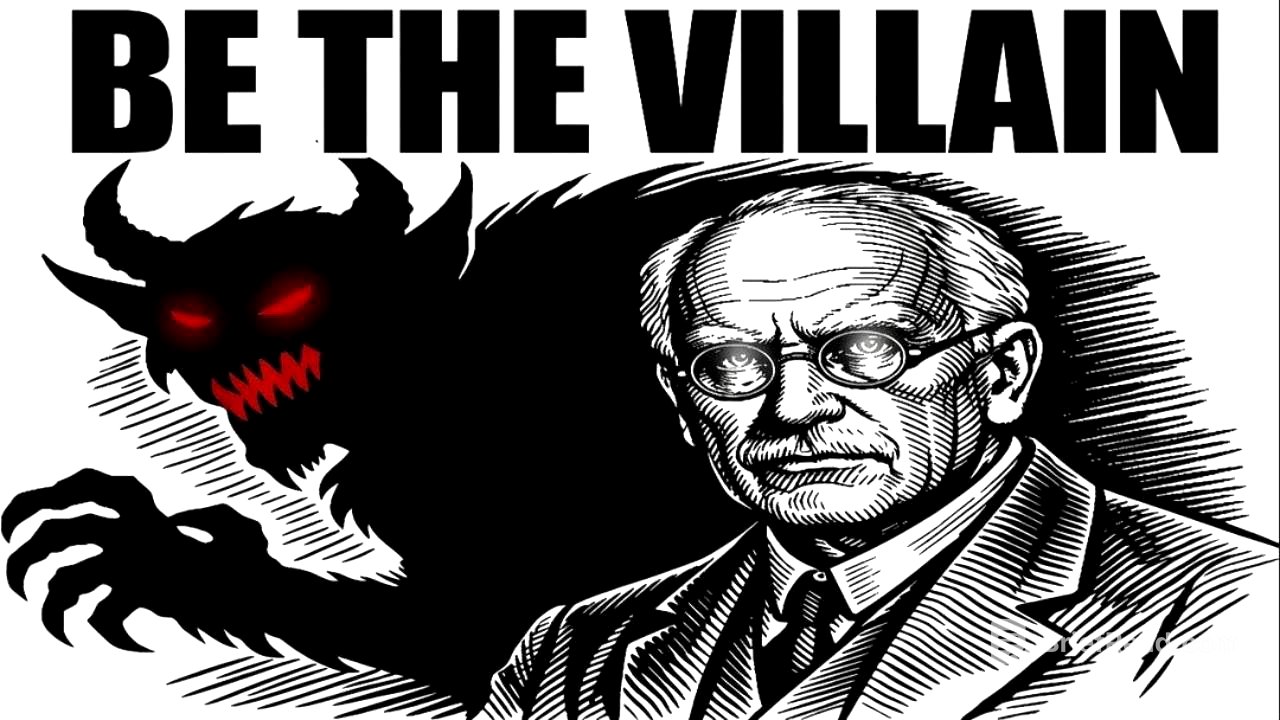
Carl Jung recognised that pure goodness is an illusion, and wholeness requires embracing the shadow self. The ego's need to always appear good makes it weak and easily manipulated. Shadow work involves reclaiming the parts of oneself that were buried to remain acceptable, such as anger, refusal, and the desire to disappoint those who exploit you. By integrating these disowned aspects, you become less governable and more psychologically sovereign. Ego death is the removal of the false self that relies on external approval.
Killing the Savior: Reclaiming Your Life [17:36]
The most painful step is letting go of the "savior" identity, which derives worth from carrying others' burdens. This trauma role perpetuates a cycle of self-betrayal to avoid accusations of failure. Healing requires detaching from broken systems and recognising that your worth does not depend on being indispensable. Manipulators exploit the savior's need for moral clarity by creating ambiguity and guilt, keeping them trapped in a maze. Ego death, in this context, becomes freedom as you release the need to manage others' immaturity and tolerate disrespect.
The "Yes, And" Strategy: Evaporating Their Power [21:31]
The "yes, and" strategy involves accepting the labels toxic people assign you without defensiveness or panic. For example, if someone calls you selfish, you respond by saying, "If protecting my peace looks selfish to you, then that is what it is." This removes the friction they expect and creates ego death in real time, as the false self that needs to be seen as good cannot survive this response. In serious matters, factual documentation is necessary, but in emotional manipulation, acceptance is devastating because it removes the performance they were counting on.
Psychological Sovereignty: The End Result [25:31]
The video concludes by describing the state of psychological sovereignty, where others' words no longer affect your nervous system. This involves integrating all parts of yourself, including those that can bear conflict and disappoint others without shame. The sovereign self does not live under permanent referendum but assesses, decides, acts, and accepts the cost. Being called the villain becomes amusing as you understand it means you are unavailable, no longer compliant, and internally governed. The ultimate transformation is realising you no longer need their permission to exist.