TLDR;
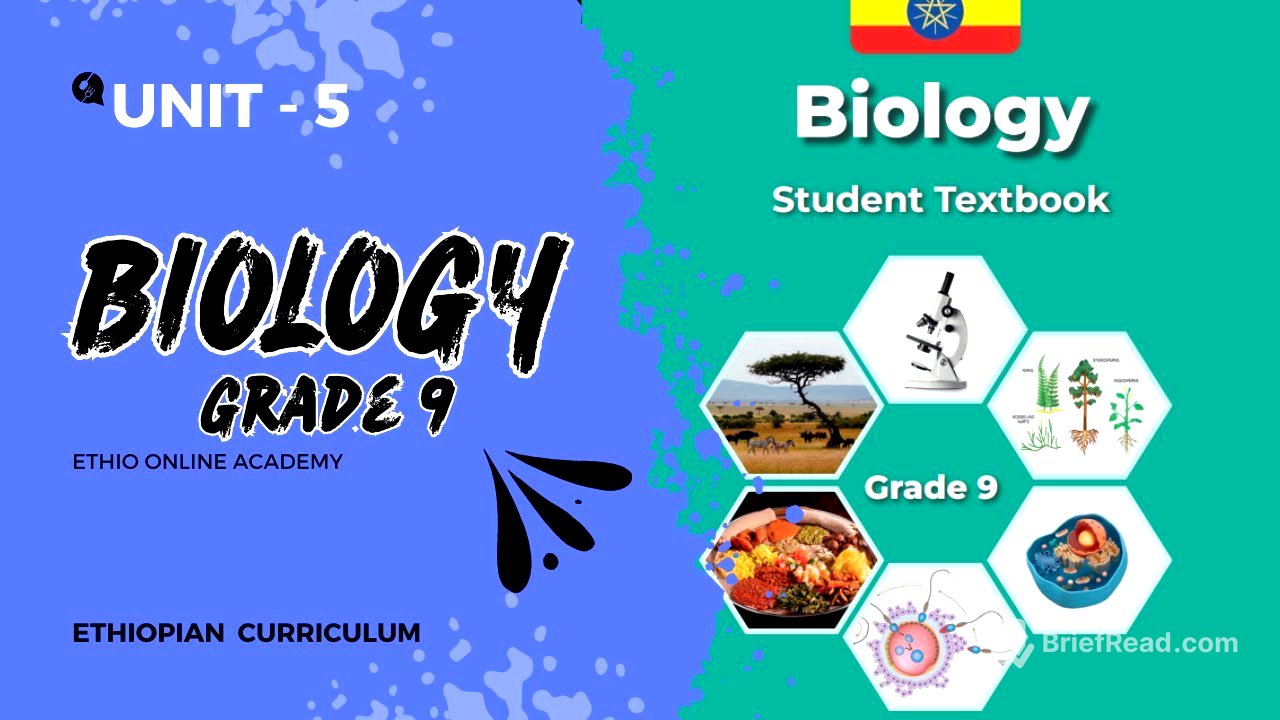
This video from Ketema Online Academy provides a comprehensive overview of human health, nutrition, and diseases, covering essential topics for grade 9 students. It defines food and nutrition, explains macronutrients and micronutrients, and discusses the importance of a balanced diet. The video also addresses deficiency diseases, malnutrition, substance abuse, and various infectious and non-infectious diseases like HIV, tuberculosis, malaria, coronavirus, hypertension, and diabetes. It further explores the causes, prevention, and control measures for these health issues, offering practical advice for maintaining good health and well-being.
- Defines food and nutrition, explaining macronutrients and micronutrients.
- Discusses deficiency diseases, malnutrition, and substance abuse.
- Covers infectious and non-infectious diseases, including HIV, tuberculosis, malaria, coronavirus, hypertension, and diabetes.
- Offers prevention and control measures for maintaining good health.
Introduction to Food and Nutrition [0:11]
The video begins by defining food as a beneficial substance that provides energy for biological activities. It introduces the concept of nutrition, explaining how food components are essential for life activities, energy provision, body cell repair, and maintaining good health. Nutrients are described as chemical substances crucial for various bodily functions.
Macronutrients and Micronutrients [2:44]
The discussion moves to macronutrients and micronutrients, highlighting that macronutrients like carbohydrates, proteins, and fats are needed in large quantities and provide energy. Carbohydrates, including starch and fibre, are detailed, explaining their role in energy storage and digestion. Fibre, an indigestible carbohydrate, is essential for intestinal health. The presenter also explains monosaccharides, disaccharides, and polysaccharides, detailing their chemical formulas and sources.
Fats, Oils and Proteins [14:07]
The video then covers fats and oils as high-energy nutrients, providing more energy per gram compared to carbohydrates. Sources of fats and oils, such as meat, milk, cheese, and plant-based oils, are mentioned. The importance of fats in absorbing fat-soluble vitamins (A, D, E, K) is also highlighted. Protein, another macronutrient, is essential for body growth and building new cells, with sources including meat, cheese, and beans.
Vitamins and Minerals [18:13]
Micronutrients, including vitamins and minerals, are discussed, emphasising their importance in small quantities. Specific vitamins, like vitamin A (for vision) and B1 (for preventing weakness), are mentioned. Minerals such as calcium (for bones and muscle function), iron (for oxygen transport in red blood cells), phosphorus, and iodine are also detailed, along with their respective functions.
Balanced Diet and Deficiency Diseases [22:55]
The importance of a balanced diet is stressed, ensuring sufficient intake of all necessary nutrients. Deficiency diseases, caused by a lack of specific nutrients, are introduced, with examples like kwashiorkor, marasmus, anaemia, rickets, and scurvy. Symptoms of these diseases, such as skin problems, muscle loss, and weakness, are described.
Malnutrition: Undernutrition and Overnutrition [28:15]
Malnutrition is defined as both insufficient and excessive nutrition, leading to disorders and developmental issues. Undernutrition, the most common form of malnutrition, can result in wasting (weight loss) and stunting (reduced growth). The causes of malnutrition include poor maternal health and non-nutritious diets. Prevention involves consuming diverse, nutrient-dense foods and avoiding junk food.
Obesity and Substance Abuse [33:05]
Obesity is discussed as an imbalance between energy intake and expenditure, preventable by eating less high-energy food and engaging in regular physical exercise. Substance abuse, including the use of medicinal and recreational drugs, is addressed, highlighting the dangers of addiction and its effects on the body.
Alcohol, Nicotine and Addiction [36:52]
The video covers commonly abused substances like alcohol, nicotine, and cannabis, explaining their addictive properties and harmful effects. Nicotine, found in cigarettes, is described as a stimulating and relaxing compound that increases heart rate and blood pressure. Alcohol, a depressant, impairs coordination, self-control, and reaction time, leading to potential long-term health issues like stomach ulcers, heart disease, brain damage, and cirrhosis.
Heroin, Cannabis and Chat [55:39]
Heroin, another depressant, is discussed in relation to endorphin receptors, leading to pain-free addiction. Cannabis, containing the active component THC, is described as causing altered states of mind, difficulty concentrating, and increased appetite. Chat, containing katinon, is also mentioned, with potential side effects including depressed mood, irritability, and gastritis.
Doping and Prohibited Substances [59:56]
Doping, the use of performance-enhancing drugs in sports, is defined as illegal and against the spirit of sports. Prohibited substances and methods are discussed, including stimulants, narcotics, and glucocorticoids. The consequences of doping include physical and psychological health risks, as well as social, financial, sporting, and legal repercussions.
Problems of Using Drugs and Treatment [1:05:32]
The problems associated with drug use, such as addiction, are explored, and the importance of seeking treatment is emphasised. Strategies for overcoming addiction include admitting the problem, finding support, rewriting daily routines, and avoiding relapse.
Infectious and Non-Infectious Diseases [1:07:02]
The video transitions to infectious and non-infectious diseases, defining disease as a condition that disrupts normal bodily functions. Infectious diseases are caused by microorganisms like viruses, bacteria, and protozoa, and their transmission is discussed.
HIV and Tuberculosis [1:11:29]
Specific infectious diseases like HIV and tuberculosis (TB) are covered. HIV targets T-lymphocytes, weakening the immune system. TB, caused by mycobacteria, is transmitted through air droplets and can be prevented and controlled through vaccination and proper ventilation.
Malaria and Coronavirus [1:16:20]
Malaria, caused by the protozoa plasmodium, is common in tropical regions and transmitted through mosquito bites. Prevention and control involve reducing mosquito populations and avoiding mosquito bites. Coronavirus, a virus with a lipid by-layer membrane and spike protein, is transmitted through respiratory droplets and causes symptoms like cough, fever, and loss of taste or smell. Prevention includes social distancing, disinfection, and vaccination.
Non-Infectious Diseases and Prevention [1:24:56]
Non-infectious diseases, such as hypertension, diabetes, obesity, and cardiovascular disease, are discussed, highlighting the importance of prevention through healthy lifestyle choices. The video concludes by encouraging viewers to adopt healthy habits and seek medical advice when needed.