TLDR;
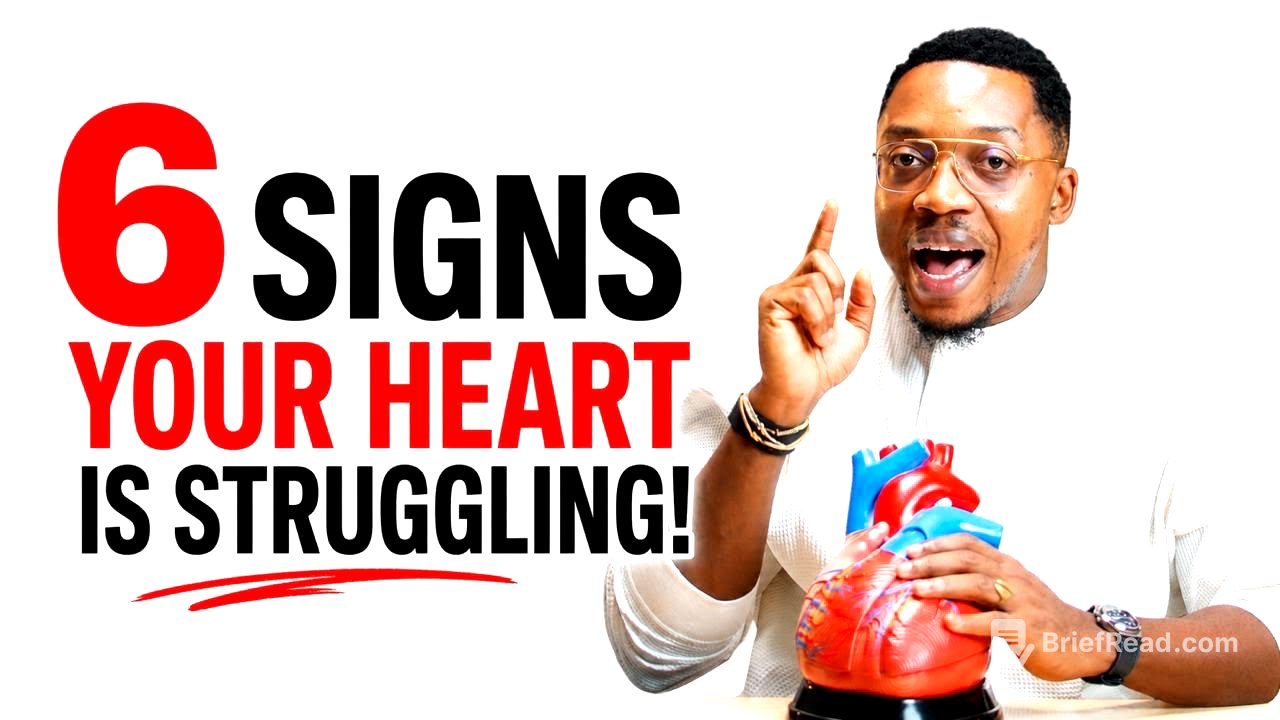
Heart disease covers conditions that affect the heart itself, while cardiovascular disease also includes problems in the blood vessels. Many heart problems give warning signs, such as chest discomfort, breathlessness, unusual tiredness, swollen legs, palpitations or fainting, so recognising them and seeking medical advice can be lifesaving.
- The heart is the body’s pump, and blood vessels are the pipes through which blood flows.
- Heart conditions include coronary heart disease, heart failure, arrhythmias, valve disease, infections, cardiomyopathy, pericardial disease and congenital heart disease.
- Protect heart health by checking blood pressure, blood sugar, cholesterol and weight; eating well; exercising; avoiding smoking and excess alcohol; managing stress; sleeping well; and taking prescribed medicines.
A Familiar Story [0:00]
People often hear stories of someone who seemed healthy and hardworking suddenly collapsing and dying, sometimes after clutching their chest. It can seem as though there were no warning signs. However, the body often gives signals before a serious heart problem; people may simply not recognise them. Heart disease is a leading cause of death worldwide, and recognising symptoms early may help prevent such tragedies.
There Are Always Warning Signs [0:32]
A person’s body does not usually fail without warning, but many people have not been taught what signs to notice. Recognising those signs and acting in time can make a crucial difference. The video sets out to explain what happens when the heart is in trouble and which symptoms are often overlooked.
Subscribe Before We Begin [0:58]
The video briefly asks viewers to subscribe and turn on notifications before moving on to an explanation of heart disease and its different forms.
What Heart Disease Means: The Pump and Pipe Analogy [1:14]
The body is compared to a house with pipes and a pump: the heart is the pump, and the blood vessels are the pipes that carry blood around the body. Cardiovascular disease is the broad term for problems affecting either the heart or the blood vessels. A blockage in a blood vessel in the brain can cause a stroke, while a blockage affecting the heart can cause a heart attack or angina. Every heart disease is a cardiovascular disease, but not every cardiovascular disease is a heart disease; this video focuses on problems with the heart itself.
Coronary Heart Disease and Heart Attack [2:36]
Coronary heart disease is described as the most common type of heart disease. The coronary arteries are small blood vessels that supply the heart muscle with the blood it needs to keep pumping. Fatty deposits associated with cholesterol can narrow or block these vessels. If an artery becomes completely blocked, the part of the heart muscle it supplies can begin to die; this is a heart attack.
Heart Failure: When the Heart Becomes Weak [3:37]
Heart failure means the heart has become too weak or tired to pump blood as effectively as before. When blood is not pumped properly, fluid can build up, causing swollen legs and difficulty breathing. Breathlessness and swelling can therefore be signs that the heart’s pumping function is impaired and should be assessed.
Arrhythmia: When the Heartbeat Loses Rhythm [4:12]
An arrhythmia is a problem with the heart’s rhythm. The heartbeat may become irregular, too slow or otherwise out of its usual pattern. Some arrhythmias are harmless, while others are dangerous, and a person cannot reliably tell which kind they have without medical assessment. An abnormal rhythm should not simply be ignored.
Heart Valve Disease and Rheumatic Heart Disease [4:50]
The heart has four valves, which act like doors and ensure that blood flows in the correct direction. If a valve becomes too narrow or cannot close properly, blood flow is disrupted and the heart has to work harder to pump. Rheumatic heart disease is a common cause of valve problems in Nigeria. It can develop years after an inadequately treated sore throat, which is why persistent or significant sore throats should not be dismissed.
Endocarditis: Infection of the Heart’s Inner Lining and Valves [5:48]
Endocarditis is an infection affecting the heart’s inner lining and valves. It is a serious condition and requires medical attention.
Cardiomyopathy: Diseases of the Heart Muscle [5:59]
Cardiomyopathy refers to diseases that affect the heart muscle itself. The muscle may become too thick, too thin or too stiff, making it harder for the heart to squeeze and pump blood properly. These changes can interfere with the heart’s ability to function effectively.
Broken Heart Syndrome (Takotsubo Cardiomyopathy) [6:29]
Takotsubo cardiomyopathy, often called broken heart syndrome, is mentioned as a condition associated with cardiomyopathy. The heart muscle can be affected in this syndrome, so the name refers to a genuine heart condition rather than only emotional distress.
Pericardial Disease: Problems with the Heart’s Covering [6:37]
The heart is surrounded by a thin protective covering. Pericardial disease occurs when this covering becomes infected or swollen. It affects the tissue around the heart rather than the heart’s inner lining or muscle.
Congenital Heart Disease [7:02]
Congenital heart disease is a heart problem present from birth, caused by the heart not forming properly in the womb. Some affected babies may need surgery early in life to correct the problem.
Why Heart Disease Is a Major Killer [7:18]
Cardiovascular disease is one of the world’s most common causes of death. In Nigeria, it accounts for about 10% of all deaths, with stroke and heart disease among the leading causes. High blood pressure is particularly concerning because it may cause no noticeable symptoms while quietly damaging blood vessels. Regular blood-pressure checks are therefore important even when a person feels well.
Warning Signs Your Heart May Be in Trouble [8:01]
Heart-related chest discomfort may not feel like sharp pain. It can feel like heaviness, tightness or pressure in the centre or left side of the chest, and may spread to the arm, jaw, neck or back. Other warning signs include breathlessness during ordinary activities, such as climbing a small flight of stairs or walking a short distance, and unusual tiredness that cannot be explained.
Swollen legs, especially when not caused by standing for a long time, may signal heart failure. Feeling or hearing the heartbeat unusually strongly, or experiencing palpitations, also warrants medical attention. Repeated fainting or feeling as though you are about to collapse should not be dismissed as stress; seek medical advice.
How to Protect Your Heart [9:39]
Know your health measurements by checking blood pressure, blood sugar, cholesterol and weight. Reducing excess salt can help lower blood pressure; salt includes not only what is added at the table but also seasoning cubes and other salty seasonings. Limit excess sugar, fried foods and processed foods, and include vegetables, fruit and fibre in the diet.
Move regularly, even if that means taking a walk each evening. Avoid smoking and excess alcohol, manage stress and get enough sleep. If a doctor has prescribed medicines for blood pressure, cholesterol or blood sugar, keep taking them even when you feel well or have no symptoms. Feeling better, receiving prayer or believing that a condition has been healed is not a reason to stop treatment without medical advice; managing illness and maintaining faith can go together.
Talk to a Doctor If You Notice These Signs [11:27]
If any of the symptoms described sound familiar, do not ignore them. The video encourages viewers to contact a doctor using the medical consultation service and number shown on screen, and to arrange an appointment to discuss their heart health.
Final Advice [12:02]
Understanding heart disease and its warning signs can help people protect themselves and those around them. Viewers are encouraged to share the video so that others can learn about heart health too.