TLDR;
The video discusses the recent developments in the gold market, emphasizing the movement of gold from traditional centers like New York and London to Asia, particularly Singapore. It covers the role of central banks in this trend, the new gold trading apps offered by banks, and the importance of understanding the implications of owning physical gold versus digital tokens representing it.
- Central banks are relocating gold reserves to enhance control and trust.
- New banking apps enable easier access to gold, but the ownership rights differ significantly.
- The emergence of a clearing system in Asia aims to challenge Western pricing power.
Introduction to Key Issues [0:00]
The video opens with the hosts introducing the topic, steering away from gold price fluctuations to discuss more critical trends observed over the past six months. The focus is on the significant movement of gold orchestrated by central banks worldwide.
Gold's Movement and Its Significance [0:06]
The conversation shifts to gold's actual movement, noting that central banks, not the metal itself, are responsible for relocating gold reserves. Despite fluctuations in gold prices over the year, the direction of this movement is more critical, emphasizing a shift in the gold market's core.
Singapore's New Gold Buying Functionality [0:36]
The video highlights Singapore's DBS Bank introducing a mobile app that allows users to purchase physical gold, making it more accessible to the general public. This update follows a similar initiative by OCBC Bank, which catered to high-value clients. The ease of purchasing gold through technology signifies a competitive market among banks.
Building a Gold Clearing System in Singapore [1:30]
Singapore’s commitment to developing a gold clearing system is elaborated on, with six top financial institutions participating. This infrastructure aims to facilitate gold transactions in Asian time zones, reducing reliance on New York and London, which currently dominate gold pricing.
The Demand for Physical Gold [2:20]
The video emphasizes that Asia accounts for over 70% of global gold consumption but lacks pricing power. Singapore's attempts to establish itself as an Asian gold hub highlights a push towards having more influence over gold pricing and distribution.
The Role of Central Banks and Gold Reserves [3:50]
A pivotal aspect discussed is the trend among central banks to repatriate gold stored abroad, citing historical events that have allowed countries like Germany and France to pull their gold back to their borders. This move is informed by dwindling trust in foreign storage conditions amid geopolitical uncertainties.
Implications for Retail Investors [5:50]
The hosts discuss how these central bank activities impact individual retail investors. As banks promote mobile gold purchasing, it's crucial for investors to understand the differences between owning physical gold and possessing digital tokens that signify ownership but do not guarantee physical possession.
Distinction Between Physical Gold and Digital Tokens [7:20]
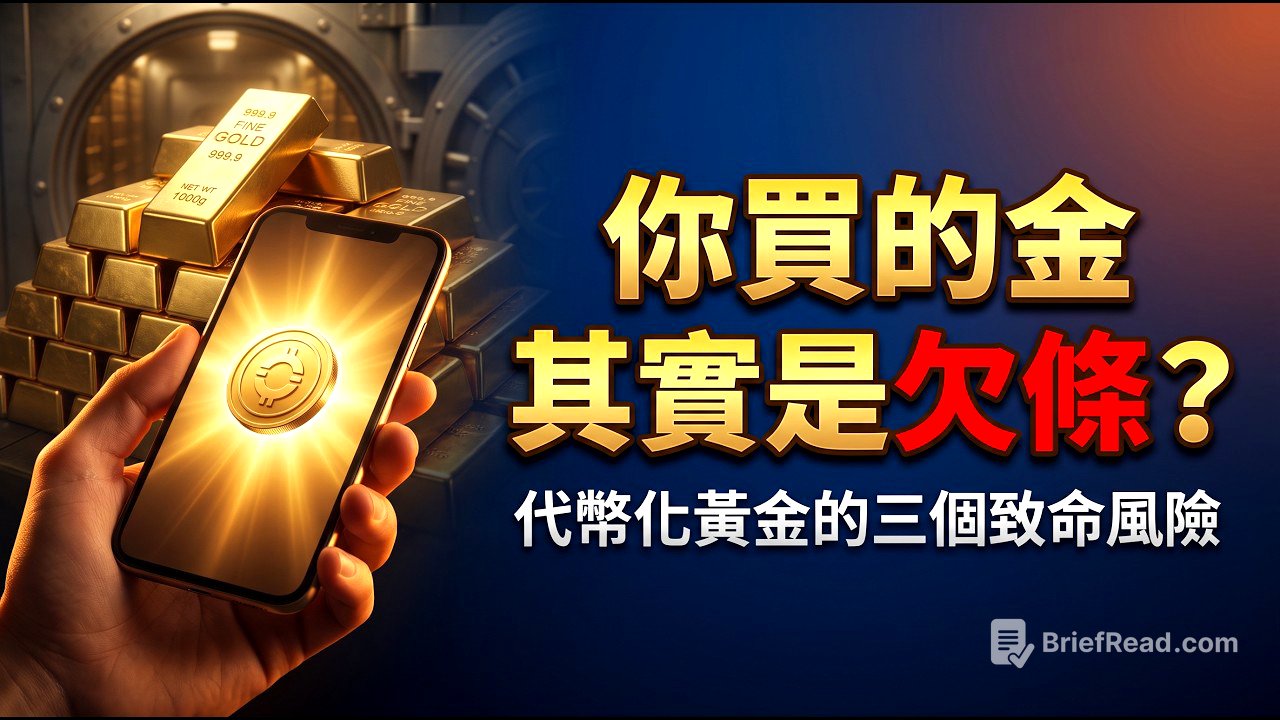
The video points out the differences in rights between owning physical gold and holding digital certificates issued by banks that represent gold. It highlights the risks involved, including the challenges of accessing physical gold in panic situations and the possible legal implications of token ownership.
Risks Associated with Convenience [10:10]
As the discussion evolves, the potential emotional risks of instant transactions through mobile apps are examined. The ability to trade quickly can lead to panic selling or buying during market volatility, amplifying emotional reactions and possibly leading to substantial financial losses.
Essential Questions for Gold Investment [12:00]
The hosts encourage viewers to consider three critical questions when evaluating gold ownership: The visibility of the underlying gold reserves, the nature of the obligations in case of an emergency, and the actual ability to withdraw physical gold during a crisis. They stress that understanding these facets is essential for making informed investment decisions.
Conclusion and Final Thoughts [12:40]
The video concludes by reinforcing the importance of knowing what kind of investment one possesses, whether it’s actual gold or merely a claim to it. It encourages viewers to understand the evolving landscape of gold investment and reminds them to prioritize substantive ownership over convenience.