TLDR;
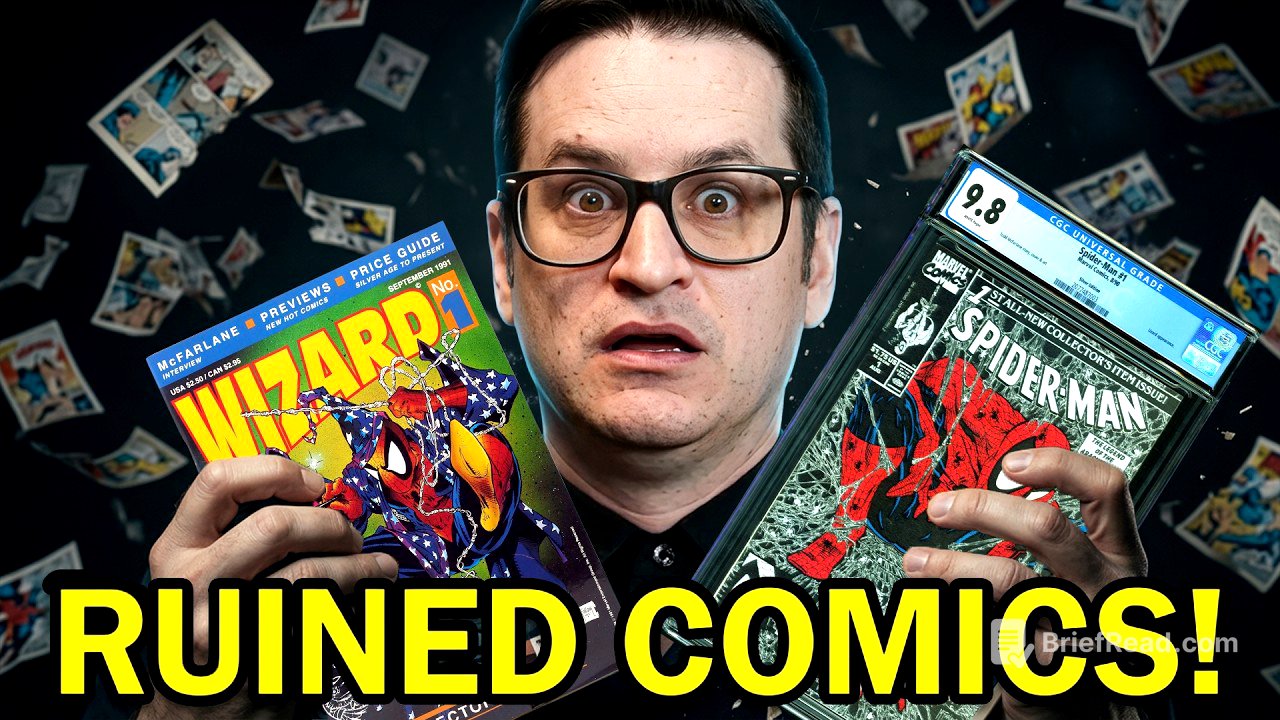
This video explores the history of Wizard Magazine, a key player in the comic book industry during the 1990s. It details the magazine's rise to prominence, its influence on comic book culture, and its eventual decline amidst the comic speculator bubble. Key takeaways include the pivotal role of Gareb Shamus in transforming both the magazine and comic conventions, as well as the negative impact of speculation on the comic book market.
- Wizard Magazine became a vital resource for comic book fans.
- Speculation in the comic book market, fueled by Wizard, contributed to a major industry crash.
The Rise and Fall of Wizard Magazine [0:00]
The video begins by highlighting the significance of comics over the last century, particularly in the 1990s when their popularity peaked. Wizard Magazine emerged during this era, filling a gap in the market for comic book information, and quickly became a dominant force. The magazine was founded by Gareb Shamus, who transitioned from running a family comic shop to launching a successful publication, which served fans' interests largely due to lack of competition from the Internet at the time.
The Fame of Wizard Magazine [4:00]
Wizard Magazine began as a newsletter for Gareb Shamus’s comic shop and evolved into a monthly magazine that was highly influential in the comic book community. Wizard became crucial for readers seeking insights on new titles and noteworthy trends, providing a platform for interviews with comic creators and reviews of lesser-known comic works. The magazine thrived by encouraging reader engagement through polls and fan art submissions, establishing a community around comic book fandom.
The Impact of Speculation [7:40]
The video exposes how Wizard Magazine played a critical role in the emergence of a speculative market for comic books. With a price guide at the back of each issue, it fueled the belief that comics were valuable collectibles and urged consumers to invest in issues like 'Deathmate' and Jim Lee’s 'X-Men'. This speculation led to inflated sales figures and the rise of variant covers, contributing to the perception of comics as investments rather than art.
The Bubble Bursts [10:50]
The speculative bubble that Wizard helped create eventually burst in the early '90s, leading to drastic declines in comic sales and the closure of many comic book stores. The oversaturation of the market became clear when publishers couldn't maintain high print runs, culminating in bankruptcies, including that of Marvel Comics. Wizard's promotion of this speculative culture significantly contributed to the collapse, although it wasn't the sole reason.
Gareb Shamus and Convention Evolution [15:30]
In the late '90s, Gareb Shamus sought to revitalize comic conventions by acquiring Chicago Comic Con. He transformed it into a vibrant social event that encouraged costume participation, ultimately turning conventions into communal gatherings rather than mere marketplaces. This innovation led to the creation of the Wizard World brand, which expanded rapidly, significantly increasing attendance and reshaping the face of fan conventions.
The Decline of Wizard and Shamus's Ventures [21:55]
As the early 2000s approached, Wizard began to shift its focus from comics to broader pop culture topics, leading to criticism from notable creators. The rise of the internet challenged traditional magazine formats, and Wizard struggled to adapt. Ultimately, it ceased operations in 2011 amid financial issues and mismanagement, with Gareb Shamus stepping away from the business. Subsequent legal troubles within Wizard World further tarnished its reputation.
After Wizard: A Different Path [28:05]
Following Wizard’s decline, Gareb Shamus ventured into new areas, including MMA and NFTs, but these endeavors faced their own challenges. In 2021, he launched a Web3 studio for NFT comic books, indicating a continual trend of attempting to capitalize on emerging market trends. Despite the ups and downs, the legacy of Wizard Magazine persists in shaping today's comic book and convention culture, although its methods remain controversial.