TLDR;
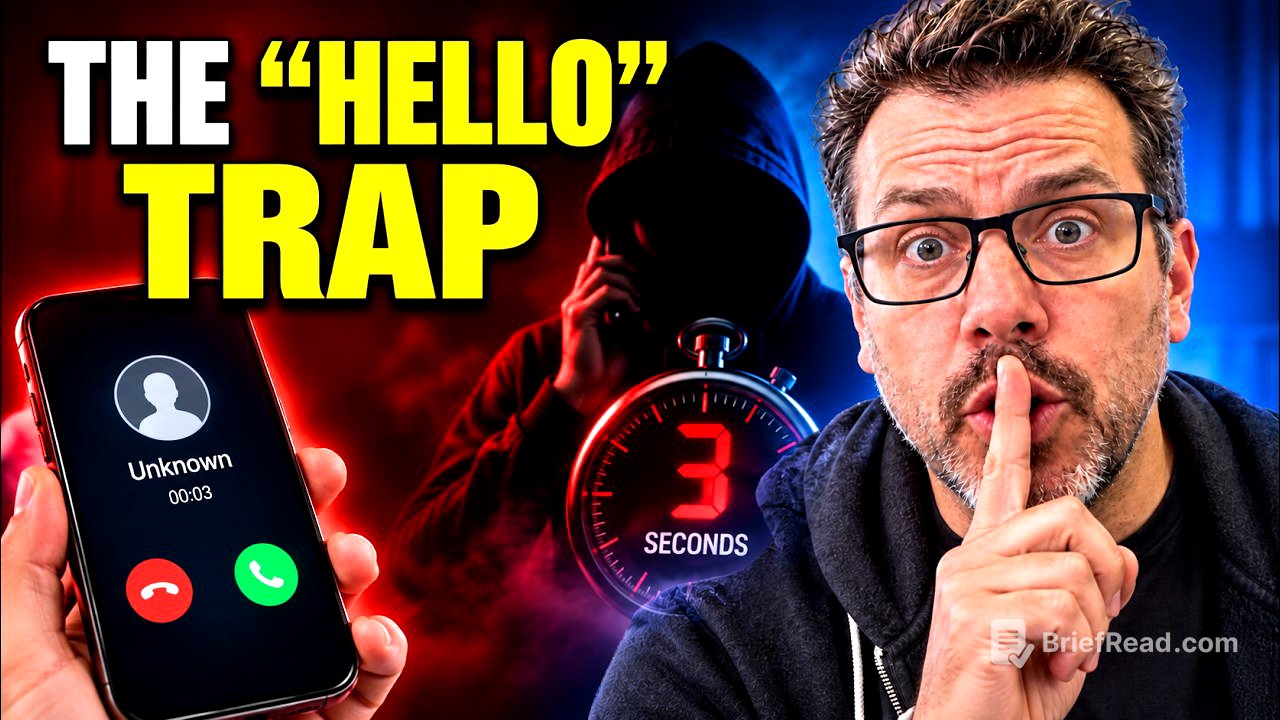
The video focuses on the tactics used by scammers during phone calls, particularly the use of auto-dialers and silence to manipulate victims. It explains the technical and psychological aspects of these scams, highlighting the importance of awareness and strategies to protect oneself.
- Scammers use auto-dialers to call many numbers at once, leading to a pause before the recipient hears anything.
- This pause allows them to confirm the call is answered by a live person, after which they employ various manipulative scripts to extract personal information.
Understanding the Silence in Scam Calls [0:00]
The video begins by illustrating a common scenario where a person answers a call only to encounter silence. This silence serves a purpose, as scammers are waiting to confirm they have reached a live human. Cybersecurity expert Boyd Cruwys explains how this is not just some random call but a calculated effort by organized criminals using auto-dialers to reach potential victims.
The Size of the Scam Operation [1:30]
Many people have an outdated perception of scammers working alone. In reality, large criminal organizations operate auto-dialers capable of making thousands of calls at once. The Federal Communications Commission reports that Americans receive about 4 billion robocalls monthly. The affordability of renting such systems has made it easy for criminals to launch widespread scams.
How Auto-Dialers Function [3:00]
When a call connects, the auto-dialer waits for a response to assess if a human being has answered. It utilizes voice detection algorithms to differentiate between live voices and recordings, ensuring that it only connects to actual people. That awkward pause of silence is the system analyzing your response; if it identifies a human voice, it either connects to a live scammer or triggers a pre-recorded message.
The Dangers of Your Voice [6:00]
Scammers can exploit your voice in numerous ways, particularly through a scam known as the "Can You Hear Me?" scam, where they capture you saying "yes". This single word can be manipulated into agreeing to charges or contracts in a fraudulent way. Additionally, advanced technology like voice cloning can create a synthetic version of your voice, increasing risks for identity theft.
Psychological Manipulation [8:15]
Understanding the psychological tactics at play during these calls is crucial. The silence creates a sense of anxiety that leads you to fill the void with more communication. This interruption grabs your attention and can stimulate curiosity, making you more receptive to the scammer's message. When they finally respond, the relief you feel lowers your guard, creating an opening for manipulation.
Common Scam Scripts [11:00]
The video continues by detailing specific scams that use the pause technique. Prominent scams include:
- Social Security Scam: Claims your SSN has been suspended due to suspicious activity.
- IRS Scam: Alerts you of a lawsuit and potential arrest.
- Medicare Scam: Suggests cancellation of benefits to extract personal information.
- Bank Fraud Call: Informs you of suspicious charges to trick you into sharing personal details.
- Grandparent Scam: Targets seniors by pretending a relative is in trouble.
Identifying Warning Signs [12:51]
Recognizing the signs of a potential scam can help you stay protected. Key warning signs include:
- Silence or pause before speaking: Indicates an auto-dialer.
- Pre-recorded or robotic voice: Suggests a scammer rather than a legitimate caller.
- Urgency: Attempts to incite panic to disable clear thinking.
- Requests for personal information: Legit organizations do not ask for this upfront.
- Payment requests through gift cards or wire transfers: Typically used in scams.
Actionable Steps to Protect Yourself [17:54]
To defend against these scams, follow these steps:
- Hang up if there’s a pause when you answer.
- Avoid saying "yes" in response to unsolicited questions.
- Do not confirm your name without knowing who is on the line.
- Hang up and call back using official contact numbers when dealing with organizations like banks or government agencies.
- Register with the National Do Not Call Registry to reduce unwanted calls.
- Consider using call screening apps to filter out robocalls.
By applying these strategies, you can enhance your defenses against phone scams and protect your personal information.