TLDR;
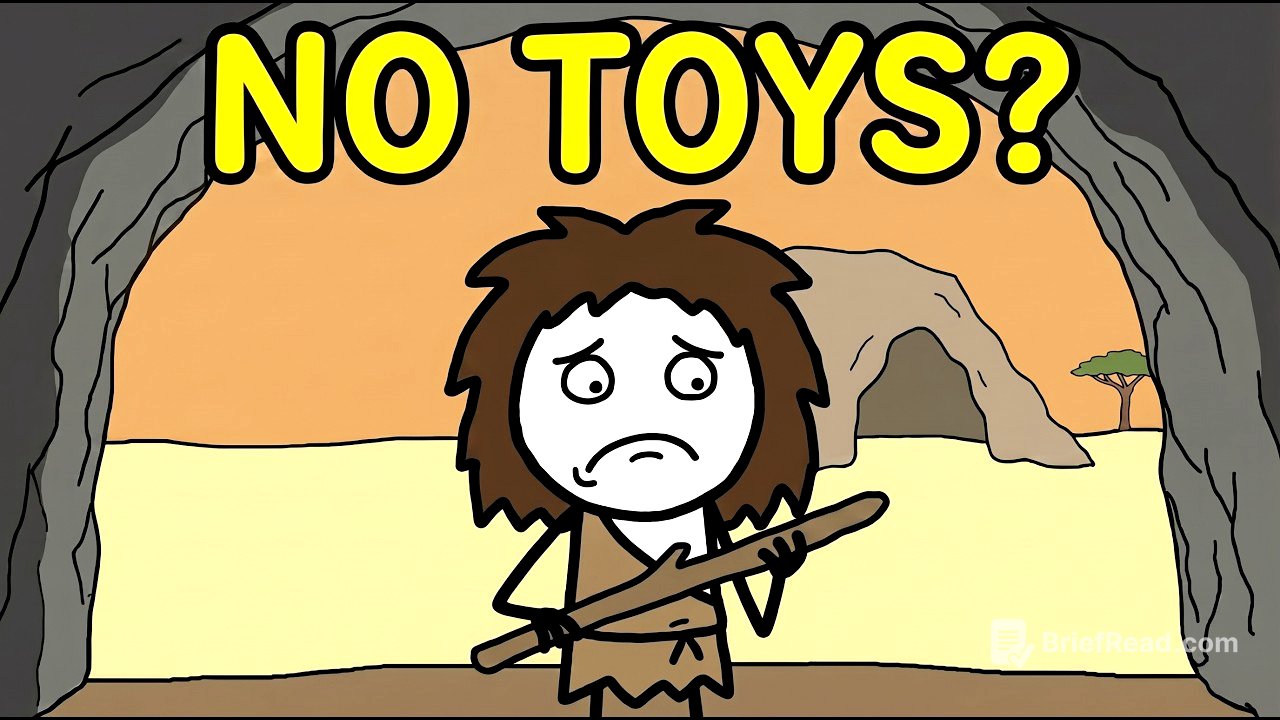
The video explores the daily lives of ancient children and contrasts them with modern childhood experiences. It highlights how ancient children were integrated into adult society from a young age, learning through active participation rather than isolated instruction.
- Ancient children were involved in community activities and responsibilities early.
- Modern childhood is more structured and controlled, often leading to feelings of purposelessness.
The Nature of Ancient Childhood [0:00]
Ancient children did not spend their days in classrooms or isolated from adult life. Instead, they acted as integral members of society, participating in various activities alongside adults. This experience differed starkly from modern childhood, which tends to focus on structured education and separation from adult responsibilities.
Archaeological Insights [1:58]
Research historically overlooked the experiences of children due to their smaller, fragile bones and tools resembling miniaturized adult versions. However, archaeological findings have uncovered evidence such as tiny fingerprints and child-sized tools, indicating ancient children were active participants in daily life rather than removed from adult activities.
Findings from White Sands National Park [3:04]
In 2021, thousands of fossilized footprints were discovered at White Sands National Park, showing both adult and child tracks traveling together. This suggested children were not sheltered but engaged in adult activities such as hunting and processing food, illustrating an early integration into the realities of adult life.
Hunter-Gatherer Societies [3:27]
In traditional hunter-gatherer societies like the Hadza of Tanzania, children participate in community life from a young age. They learn through observation and engagement rather than formal instruction, naturally gravitating towards adult tasks and responsibilities as they grow, embodying the concept of "intent participation."
Learning Through Participation [4:31]
Ancient children did not exist in isolated environments; they learned skills and social interactions through direct involvement in adult life. Play was not separate but often a simulation of real-life tasks that prepared them for adulthood, blending instruction with experiential learning.
A Different Perspective on Modern Childhood [6:02]
Anthropologists have noted that children in modern societies often have less independence, contributing to feelings of disconnection and anxiety. Unlike ancient childhood where children experienced life alongside adults, modern children often wait to be deemed ready for participation in adult society, leading to a lack of competence and engagement.
Play and Development in Ancient Societies [9:12]
Play in ancient societies mirrored adult life; activities that seemed like games also contributed to developing crucial survival skills. Children engaged in real tasks that prepared them for life without formal educational segregation, actively participating in their development from an early age.
Ritual Practices and Social Integration [10:23]
Evidence from archaeological sites indicates that ancient children received the same ceremonial treatment as adults after death, suggesting an integral role in society during life as well. This challenges the perception of children as lesser members of society and underscores their active contribution to communal life.
Daily Activities of Ancient Children [11:28]
Ancient children gathered food, carried water, followed adults on various tasks, and developed essential life skills through immersive experiences. Their lives were rich with exploration and participation, distinctly different from the more passive experiences common in modern childhood, where children may not feel as engaged in their world.