TLDR;
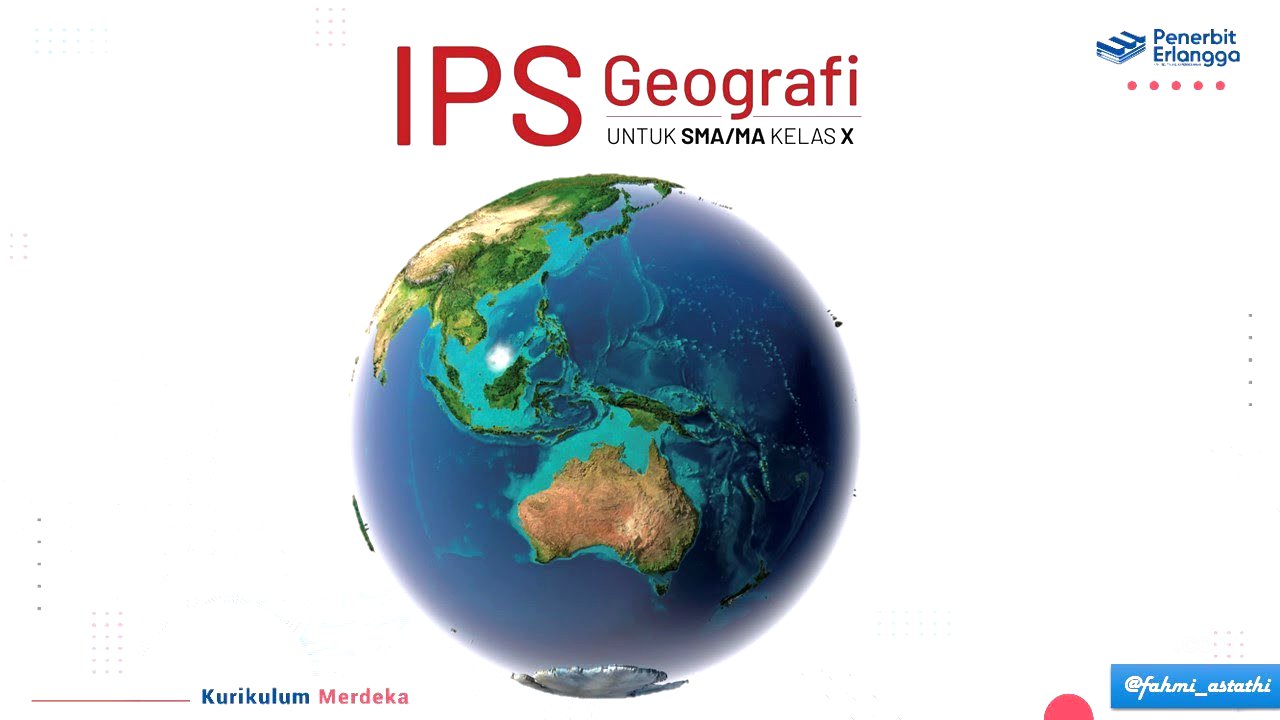
This video explains volcanism, its processes, types of eruptions, and its impact on life. It covers magma intrusion and extrusion, different types of volcanoes, and volcanic eruption types. The video also discusses the positive and negative impacts of volcanism and ways to mitigate volcanic eruption disasters.
- Explains the concept of volcanism and its relation to magma activity.
- Describes magma intrusion and extrusion, including their forms and characteristics.
- Discusses different types of volcanic eruptions and the shapes of volcanoes.
- Outlines the positive and negative impacts of volcanism on the environment and human life.
- Provides strategies for mitigating the impact of volcanic eruptions.
Introduction [0:18]
The video introduces the topic of volcanism and its effects on life, continuing from the previous video about the lithosphere. The objective is to enable viewers to identify volcanism and analyze its effects after watching the video.
Vulkanism [0:58]
Volcanism is defined as the phenomenon resulting from magma activity within the lithosphere that reaches the Earth's surface. It is not limited to the formation of volcanoes but also affects other geospheric phenomena. Magma intrusion involves magma penetrating through fissures in the lithosphere without reaching the surface.
Magma Intrusion Forms [2:06]
Magma intrusion has seven forms:
- Lakolith: Magma that intrudes and forms a dome shape within rock layers.
- Small Gang Intrusion: Small-sized magma intrusions.
- Magma Chamber (Batholith): Igneous rock formed in the magma chamber.
- Gang Intrusion: Magma intrusions near the magma chamber that cut through lithospheric layers.
- Sill: Thin magma layers that intrude and solidify between lithospheric layers, spreading out thinly.
- Diatherma: Magma that fills eruption pipes, connecting the magma chamber to the Earth's surface.
- Lapolith: Magma intrusions that form a downward-facing basin shape within rock layers, opposite of lakoliths.
Magma Extrusion [4:32]
Magma extrusion refers to magma that reaches the Earth's surface. Types of magma extrusion include:
- Lava: Magma that flows on the Earth's surface.
- Lahar: Lava mixed with other materials on the surface.
- Ejecta (Elfata): Solid materials from volcanic eruptions like bombs, lapilli, and tuff.
- Exhalation: Gaseous materials from volcanic eruptions, such as mofettes, fumaroles, solvatares, and hot clouds.
Types of Volcanic Eruptions [5:39]
Volcanic eruptions are classified into:
- Explosive Eruptions: Eruptions involving explosions that eject solid materials; occur when the magma chamber is deep and the gas is acidic.
- Effusive Eruptions: Eruptions characterized by lava flow through fissures.
Shapes of Volcanoes [6:19]
Volcano shapes vary based on eruption characteristics and materials ejected:
- Stratovolcanoes: Formed from a mixture of effusive and explosive eruptions, common in Sumatra, Java, Bali, and Nusa Tenggara.
- Maar Volcanoes: Result from explosive eruptions from small, shallow magma chambers, such as Mount Bromo and Tangkuban Perahu.
- Shield Volcanoes: Formed from fluid magma, not found in Indonesia but present in places like Mauna Loa, Hawaii.
Volcano Types Based on Eruption [7:42]
Volcanoes are categorized by eruption type:
- Hawaiian Type: Small-scale eruptions with high intensity and fluid lava.
- Saint Vincent Type: Moderate-scale eruptions with high intensity and viscous lava from shallow magma chambers.
- Pelee Type: Blockages at the volcano's peak cause increased pressure.
- Strombolian Type: Continuous eruptions with consistent intervals, ejecting solid materials.
- Plinian/Perret Type: Eruptions that destroy the mountain's peak, forming calderas with high gas columns up to 80 km.
- Merapi Type: Viscous lava blocks the crater, leading to strong pressure and hot clouds known as "wedhus gembel."
- Vulcanian Type: Ejects both solid and liquid materials from shallow to deep magma chambers.
Ring of Fire [9:52]
Indonesia is part of the Ring of Fire due to having approximately 127 volcanoes spread from Sumatra to the eastern regions.
Impacts of Volcanism [10:22]
Volcanism has both positive and negative impacts: Positive Impacts:
- Volcanic ash enriches the soil.
- Production of mineral resources.
- Volcanic landforms become tourist attractions.
Negative Impacts:
- Steep mountain terrains are difficult to utilize.
- Natural disasters like earthquakes and eruptions occur.
- Causes cracks, fissures, and deformations in the Earth's crust.
Volcanic Eruption Mitigation [11:09]
Mitigation strategies for volcanic eruptions include:
Before Eruption:
- Intensive monitoring of volcanic activity.
- Mapping of disaster-prone areas.
- Conducting disaster simulations.
After Eruption:
- Data collection on the extent of the eruption.
- Marking affected areas.
- Renovating damaged facilities.
![Digimon: The Movies | Teaser trailer (Movie Collection 1) [Discotek Media]](https://wm-img.halpindev.com/p-briefread_c-10_b-10/urlb/aHR0cDovL2ltZy55b3V0dWJlLmNvbS92aS9ReGV2NUhEX1pRRS9ocWRlZmF1bHQuanBn.jpg)