TLDR;
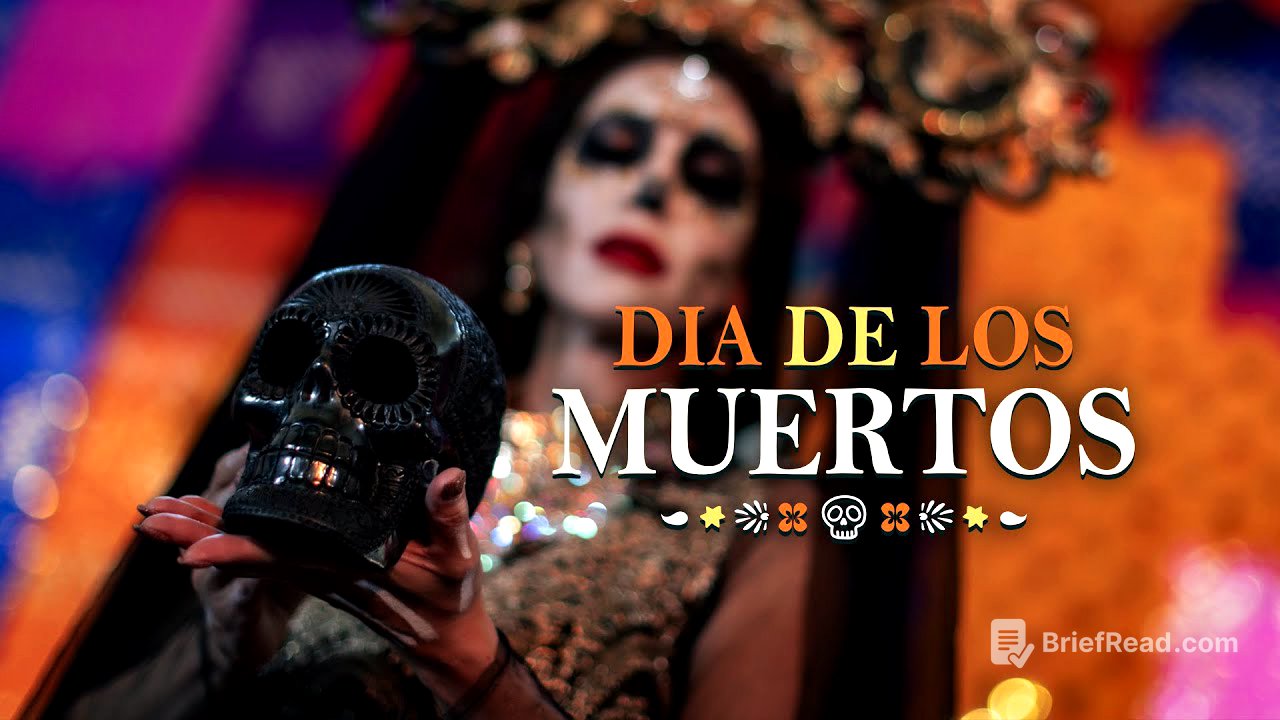
The video discusses the significance of Día de Muertos (Day of the Dead), its origins in indigenous culture, and how it blends with Catholic practices. It highlights the importance of remembrance and honoring ancestors, traditions of altar (ofrenda) setups, and the essential components like marigolds, food, and candles. The celebration is a joyous occasion that allows people to reconnect with their loved ones who have passed away.
- The origins of Día de Muertos rooted in indigenous beliefs about life and death.
- The celebration combines Catholic traditions with indigenous customs, emphasizing remembrance.
Día de Muertos Origins [0:00]
This chapter explains the roots of Día de Muertos, originating from indigenous beliefs in Mexico. It describes the cyclical nature of life and death as believed by indigenous people, where death marks a continuation rather than an end. The arrival of Spanish colonizers brought Catholicism, which merged with these beliefs, leading to the observance of Día de Muertos as a way to honor the deceased.
Celebrating the Deceased [3:20]
In this chapter, it details how Día de Muertos is celebrated over two days: November 1st is for deceased children and November 2nd is dedicated to adults. The importance of setting up an altar (ofrenda) is emphasized, with details on traditional practices such as creating altars with multiple levels and including personal items or photographs of those being honored.
Setting Up the Altar [7:50]
This segment focuses on the emotional act of preparing an altar for the deceased, which typically entails using traditional decorations such as papel picado and candles to light the way for the spirits. The importance of certain elements such as water, food that the departed enjoyed, and the marigold flower is discussed to honor and nourish the spirits during their visit.
Symbolism of Elements [14:00]
The chapter describes the significance of elements used in the altar setup, including marigolds, salt, and food items. Marigolds (cempasúchil) symbolize the fragility of life and the connection to the deceased. The use of food is to nourish the souls of the departed, and traditional bread (pan de muertos) represents the cycle of life and death.
Cultural Reflection Through Calaveras [21:30]
In this section, the video highlights the cultural importance of calaveras (skeletons) in Mexican art and tradition, illustrating that beneath all, everyone is the same regardless of worldly differences. It mentions influential artists like José Posada, whose depictions helped shape the meaning of calaveras in celebrations, and how these practices reflect a blend of history and cultural expression.
The Celebration of Life [30:00]
The video concludes by emphasizing that Día de Muertos is not a time for mourning but a celebration of love and remembrance. The narration highlights the connection between the past and present, acknowledging ancestors as vital contributors to cultural identity and strength. It portrays the celebration as an opportunity to express joy and gratitude for those who have shaped lives, making their memories live on.