TLDR;
This video explains the five main types of auto insurance coverage: liability, collision, comprehensive, medical, and uninsured/underinsured motorist. It highlights what each covers, their importance, and when they apply, emphasizing the need to understand your policy for adequate protection.
- Liability coverage protects you financially by covering damages you cause to others.
- Collision coverage pays for damages to your car from an accident, even if you're at fault.
- Comprehensive coverage protects against losses from events like theft, vandalism, or natural disasters.
- Medical coverage and personal injury protection cover medical expenses regardless of fault.
- Uninsured/underinsured motorist coverage protects you if you're hit by a driver without sufficient insurance.
Liability Coverage [0:19]
Liability coverage is a standard requirement in most states, designed to cover damages you cause in an accident where you are at fault. This includes both bodily injuries and property damage inflicted on others. It's important to note that liability insurance does not cover your own damages; instead, it safeguards you from the financial repercussions of being responsible for an accident, potentially saving you from significant out-of-pocket expenses.
Collision Coverage [0:53]
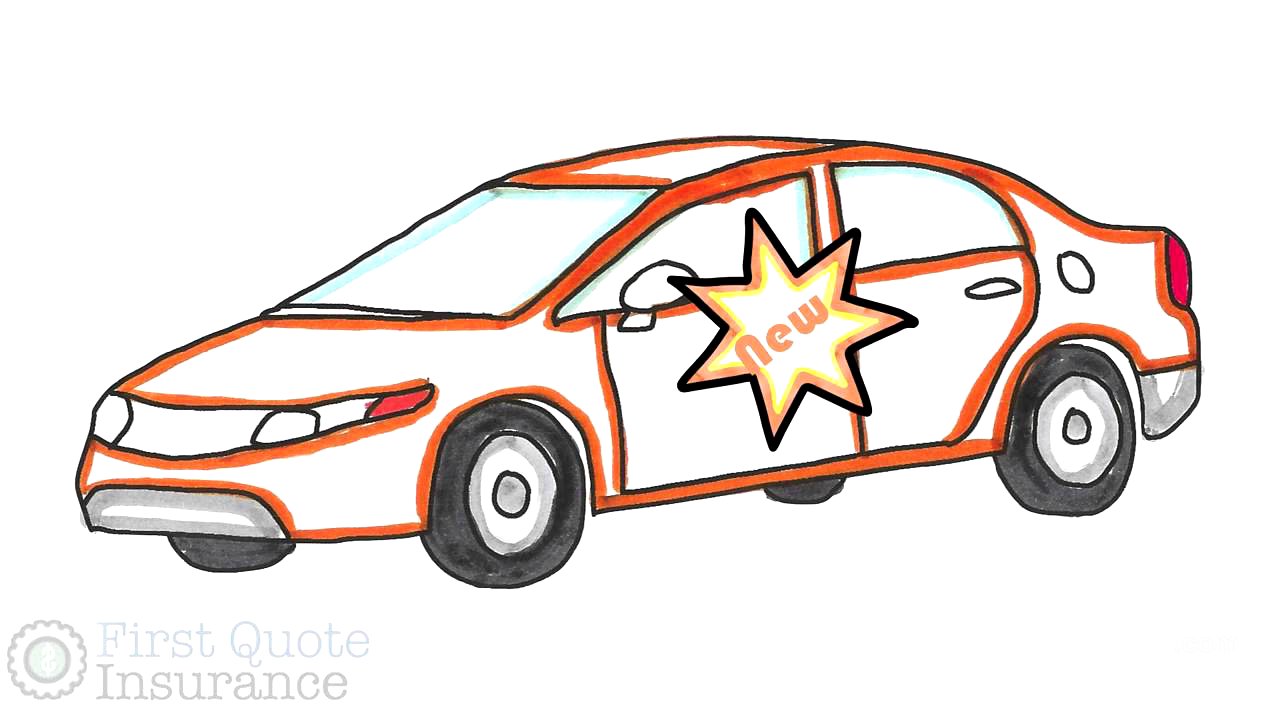
Collision coverage is a common car insurance type that covers damages to your vehicle resulting from an accident, irrespective of who is at fault. As the name suggests, it applies when your car collides with another object. However, it's important to know that collision insurance does not cover losses from non-collision events like theft or weather damage, which fall under comprehensive coverage.
Comprehensive Coverage [1:19]
Comprehensive coverage is an optional insurance that protects your vehicle from unpredictable events, such as fire, vandalism, theft, animal collisions, and certain natural disasters. While comprehensive coverage is broad, it doesn't cover everything; for instance, damage from freezing or mechanical breakdowns are typically excluded. This coverage is often favored by owners of new or expensive vehicles, and lenders may require it as part of financing agreements.
Medical Coverage and Personal Injury Protection (PIP) [2:18]
Medical coverage provides additional protection for injuries suffered by you or your passengers. If you're not at fault, the other driver's liability coverage should cover your damages, but you can purchase your own medical coverage for extra security. In certain no-fault states, personal injury protection (PIP) is required; it covers medical expenses regardless of who is at fault in an accident.
Uninsured/Underinsured Motorist Coverage [2:52]
Uninsured or underinsured motorist coverage protects you if you're hit by a driver who either doesn't have insurance or doesn't have enough to cover your damages. Given that a significant percentage of drivers lack the legal minimum insurance, this coverage is crucial. It pays for medical expenses and lost wages when the at-fault driver's liability policy can't. Underinsured coverage activates when your damages exceed the at-fault driver's liability limits.