TLDR;
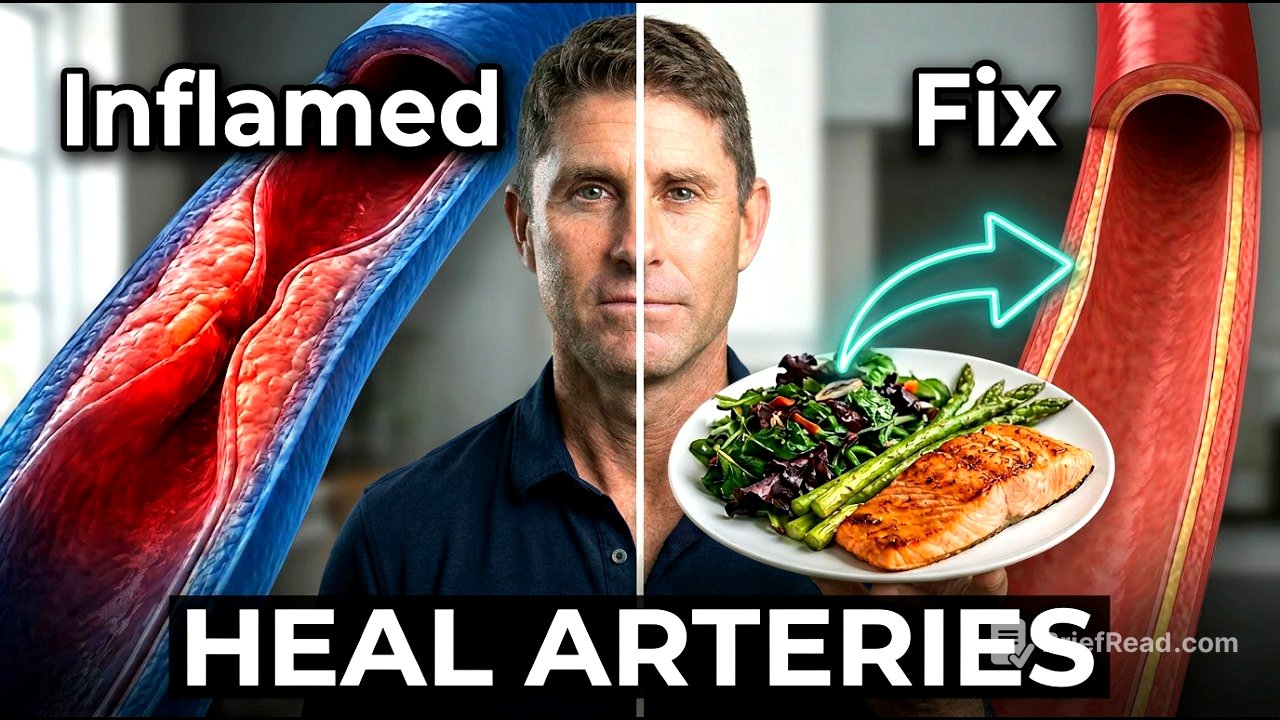
This video highlights the surprising truth about heart health, emphasizing that inflammation, not cholesterol, is the primary cause of heart disease. It introduces an "arterial repair meal" designed to combat inflammation and improve arterial function. The meal focuses on several key foods that restore blood vessel health, enhance blood flow, and stabilize cholesterol without relying on medications, making it a practical approach to cardiovascular health.
- Inflammation, not cholesterol, is the main contributor to heart disease.
- The "arterial repair meal" includes specific foods that aid in restoring arterial function and reducing inflammation.
Introduction to Arterial Health [0:00]
The video begins by claiming that despite eating clean, exercising, and taking medications, people may still have blocked arteries, as the primary issue is inflammation rather than cholesterol levels. The presenter stresses that cholesterol is erroneously blamed for heart disease, while studies suggest that individuals with normal or low cholesterol can still suffer heart attacks. Inflammation causes micro-injuries in the arterial walls, prompting cholesterol to heal the damage rather than causing it.
Understanding Heart Disease [2:00]
The narrator explains that cholesterol does not adhere to arteries randomly; it is involved only after arterial damage from inflammation occurs. Factors contributing to this damage include oxidized LDL particles, insulin spikes, chronic stress, inflammatory foods, and environmental toxins. The presenter underscores that doctors often overlook important inflammatory markers, preventing a complete understanding of a patient’s heart health.
The Arterial Repair Meal [2:50]
The "arterial repair meal" is introduced as a scientifically-backed nutrition approach designed to calm inflammation and restore blood vessel function. This meal comprises arugula salad, cucumbers, tomatoes, wild-caught salmon, extra virgin olive oil, fresh lemon, and Mediterranean herbs, each contributing specific benefits for heart health.
Key Ingredients for Heart Health [3:24]
Arugula Salad: Rich in dietary nitrates that convert to nitric oxide, improving blood flow, reducing arterial stiffness, and enhancing overall circulation.
Cucumbers: High in silica, which is essential for collagen formation and arterial wall strength, reducing blood pressure and atherosclerosis.
Tomatoes: Contain lycopene, a potent antioxidant that helps prevent LDL oxidation, reduces arterial inflammation, and is best absorbed with healthy fats, such as olive oil.
Wild-Caught Salmon: Packed with omega-3 fatty acids that reduce inflammation and stabilize plaque, preventing it from rupturing and leading to heart attacks.
Extra Virgin Olive Oil: High in polyphenols that neutralize oxidized LDL and improve arterial elasticity, countering inflammatory responses in the body.
Fresh Lemon and Mediterranean Herbs: Lemon enhances nitric oxide stability and provides vitamin C, while herbs like basil and thyme offer anti-inflammatory properties and aid in cellular cleanup.
Optional Components and Dessert [13:19]
Grass-fed cheese can be added if dairy is tolerated, as it provides vitamin K2, crucial for redirecting calcium from arteries to bones, promoting cardiovascular health. The dessert features organic unsweetened yogurt, providing beneficial probiotics, postbiotics, and short-chain fatty acids which enhance gut and arterial health. Pomegranate seeds and mixed berries are also included for their antioxidant properties and their role in reducing arterial thickness and improving blood flow.
The Synergy of the Meal [19:17]
The presenter emphasizes that every ingredient works in synergy to repair arterial function. For instance, the combination of arugula, cucumbers, and tomatoes promotes nitric oxide production, while salmon provides anti-inflammatory support. Olive oil enhances arterial elasticity, and the herbs stabilize nitric oxide levels and reduce inflammation. This cohesive approach targets different mechanisms involved in heart disease prevention and arterial repair.
Action Plan for Heart Health [20:56]
The actionable plan includes consuming the arterial repair meal three times per week, drinking apple cider vinegar with water before meals, and taking a 15-minute walk post-meal to manage insulin spikes. Regular monitoring of relevant health markers like C-reactive protein, triglyceride levels, and fasting insulin is also encouraged to assess improvement over time.
Addressing Common Questions [22:55]
The video concludes by addressing FAQs regarding cholesterol levels, the role of doctors in nutritional guidance, the safety of fats in the diet, and the effectiveness of this meal plan compared to medications. It highlights the need for patients to take charge of their dietary choices to support heart health, emphasizing that major improvements can be seen within weeks to months through consistent adherence to the arterial repair meal.