TLDR;
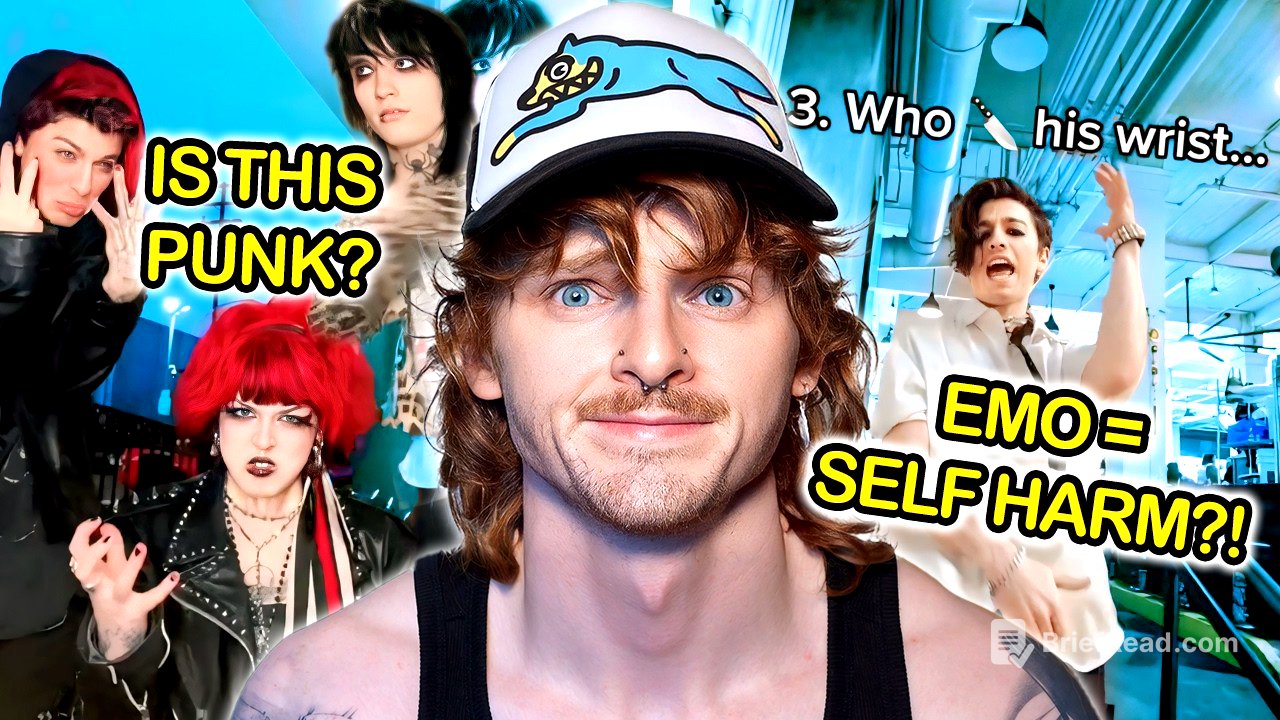
In this video, Cal discusses the concept of "posers" within various subcultures on platforms like TikTok. He reflects on his personal experiences and examines how the term has evolved from its roots in the punk movement to its current implications on social media. The video highlights both the negative impacts of posers on authentic subcultures and their potential role in attracting new audiences. Key points include the commercialization of subcultures, the challenges of gatekeeping, and the need for a more nuanced understanding of identity within these groups.
- The term "poser" originated in the punk movement as a critique of those who adopt styles without understanding their core values.
- Social media amplifies superficial representations of subcultures, leading to gatekeeping and toxicity.
- Despite negative aspects, posers can introduce new people to these subcultures who may later engage more authentically.
Introduction to Posers and Personal Experience [0:00]
Cal opens by reminiscing on a painful moment from his youth when he was labeled a "poser" for wearing a My Chemical Romance shirt. This experience serves as a backdrop for his exploration of the term "poser" as it applies to TikTok and the deeper implications it has on subcultures today, introducing his channel's premise of discussing online trends and culture.
Historical Context of Posers [1:20]
The video outlines the origin of the term "poser," which gained prominence in the 1970s during the punk movement. Punks used the term to identify individuals who embraced punk aesthetics without engaging with its radical political messages. This historical context is essential to understanding the discourse on social media today where aesthetic mimicry often overshadows genuine engagement with subcultural values.
The Impact of TikTok on Subcultures [2:52]
Cal explains how TikTok's algorithm favors visually appealing content, resulting in a rise in individuals superficially adopting subcultural styles for views and monetization. This phenomenon leads to the creation of what he refers to as "posers," who may undermine the genuine ethos of subcultures by prioritizing style over substance.
Examples of Notable TikTok Posers [4:20]
The video profiles specific TikTok personalities who exemplify the notion of posing. Cal critiques Shannon Blake for commodifying hippie culture and neglecting its countercultural roots, and tx2 for his erratic switch between subcultures for engagement, while discussing Caroline Carr's promotion of fast fashion, contradicting punk culture's DIY principles.
Glorification and Risks of Misrepresentation [6:10]
Cal discusses the dangers of posers who misinterpret and dilute the philosophies of their chosen subcultures. He emphasizes that this can lead to misunderstandings and frustrations among authentic members of these communities, who feel that their values are being misrepresented, which can deter newcomers who genuinely want to engage.
Toxicity and Gatekeeping in Subcultures [8:01]
Cal highlights how posers may create a toxic environment within subcultures through anger and gatekeeping. Authentic members often express disdain towards superficial participants, leading to exclusionary attitudes that can discourage newcomers from exploring these communities. He advocates for a more welcoming attitude that recognizes everyone's journey into a subculture.
Commercialization and Its Consequences [10:00]
The video critiques how posers contribute to the commercialization of subcultures, prioritizing profits over genuine engagement. Cal expresses concern about individuals profiting from superficial interpretations of movements, thereby undermining their core values and principles, especially in punk culture's emphasis on DIY ethics.
Ethical and Social Concerns of Influencers [11:25]
Cal raises ethical concerns regarding the exploitation of mental health issues by influencers like tx2, who trivialize serious topics for clout. He warns that this glorification can negatively influence impressionable young audiences who may feel pressured to engage in harmful behaviors to fit in. He urges viewers to approach health advice critically.
Over-Sexualization in Subcultures [12:43]
The discussion touches on the over-sexualization of individuals within alternative cultures, particularly women. Cal criticizes the trend of creators adopting aesthetic styles to generate sexualized content, which perpetuates negative stereotypes and ultimately harms those genuinely engaged in these communities.
Inclusivity vs. Exclusivity [14:13]
Cal argues the need for inclusivity within subcultures, highlighting that not everyone has the same resources to engage authentically. He emphasizes understanding that different circumstances may lead individuals to adopt styles from subcultures, advocating for a compassionate approach rather than strict exclusivity.
Social Media’s Role in Shaping Perceptions [15:40]
The video discusses how social media fosters superficial understandings of subcultures, prioritizing aesthetic representation over genuine engagement with community values. Cal stresses that engagement in local movements and activism is crucial for true participation in these scenes beyond mere online personas.
Conclusion on Posers and Authenticity [17:32]
Cal concludes that while posers often misrepresent subcultures and prioritize commercial gain, they also play a role in attracting new individuals to these communities. He highlights the importance of balancing authenticity with open-mindedness to encourage a deeper understanding and engagement with subcultures.