TLDR;
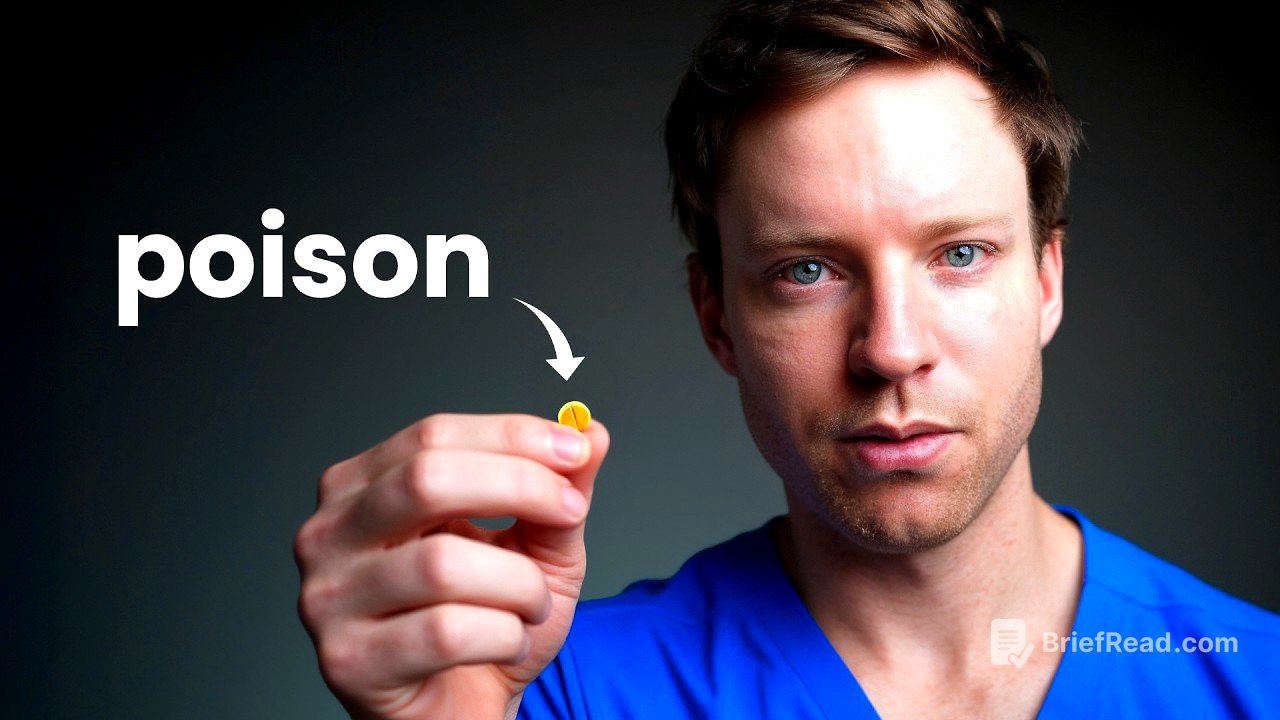
This video discusses five popular supplements that may cause more harm than good, advising viewers to reconsider their use. The supplements covered are calcium, iron, vitamin E, vitamin A, and resveratrol. The video highlights the importance of obtaining nutrients from a balanced diet rather than relying on supplements, which can lead to adverse health outcomes.
- Calcium supplements can increase the risk of heart disease.
- Iron supplements can lead to an excess that reduces zinc levels and causes organ damage.
- Vitamin E and A supplements may increase mortality.
- Resveratrol does not provide the initially claimed benefits and may reduce the positive effects of exercise.
Calcium Supplements: Risks and Alternatives [0:23]
Calcium is essential for muscle function, nerve signals, and bone health, but supplements can be dangerous. Research shows mixed results regarding the benefits of calcium supplements on bone fractures. Some studies suggest a reduced risk, but many have biases. Studies indicate that calcium supplements may increase the risk of heart attacks. One study found that calcium supplements without vitamin D increased heart attack risk by almost 90% in osteoporosis patients. High calcium intake from supplements is associated with a higher risk of death from all causes and heart disease. Calcium supplements can spike calcium levels in the blood, potentially leading to arterial calcification. It's recommended to obtain calcium from diet to avoid spiking calcium levels in the blood. Studies show that dietary calcium is associated with a lower risk of arterial calcification, while supplements increase the risk. A study on elderly patients in managed care facilities showed that increasing dietary calcium reduced bone fracture risks by 33%.
Iron Supplements: Dietary Sources and Precautions [6:33]
Iron is needed for oxygen transport, energy production, and muscle function, but too much from supplements can be harmful. A mild surplus can reduce zinc levels and upset the digestive system, while high doses can cause serious organ damage. It's best to get iron from diet. Adult men need about 8 mg a day, and women need about 18 mg until menopause. Heme iron from animal sources is easier to absorb than iron from plants like leafy greens, white beans, and lentils. Pregnant women, those with heavy periods, or people with digestive problems may need iron supplements, but it should be under a doctor's recommendation and supervision.
Vitamin E: Questionable Benefits and Potential Harm [7:46]
Vitamin E, an antioxidant found in vegetable oils, nuts, seeds, and leafy greens, is often promoted for increasing lifespan and preventing cancer and heart disease. Vitamin E deficiency is rare because it is found in a variety of foods. Vitamin E supplements can interfere with the benefits of exercise. A Cochran analysis of 78 trials with almost 300,000 participants found no evidence that antioxidant supplements decrease mortality and suggested that vitamin E might increase mortality. Vitamin E comes in eight forms, including tocopherols and tocotrienols, with tocotrienols believed to offer a greater antioxidant effect. There is no long-term safety data on tocotrienols. Too much vitamin E has been linked to an increased risk of prostate cancer.
Vitamin A: Risks of Over-Supplementation [9:55]
Like vitamin E, higher doses of vitamin A supplements are associated with increased mortality. Too much vitamin A can weaken bones, damage the liver, and cause birth defects. Vitamin A deficiency is exceptionally rare, and most people can get enough vitamin A from a healthy diet without supplements.
Resveratrol: Debunking the Hype [10:25]
Resveratrol was initially thought to extend lifespan by boosting cert one levels, but this was based on a lab error. The interventions testing program trial showed that resveratrol is absorbed into the bloodstream but does not work. A Cochran analysis found that current research does not support claims that it can improve type 2 diabetes. Resveratrol does not directly activate cert one; instead, it stresses cells and interferes with DNA copying during cell division. Resveratrol supplementation reduced the positive effects of exercise training on blood pressure, blood cholesterol, and oxygen efficiency. There is also clinical evidence that resveratrol can lower testosterone levels. There is evidence of harm, so taking resveratrol supplements is not a good strategy.



![If I Were to Start Freelancing In 2025, This is What I'd Do [0 to $100K FULL GUIDE]](https://wm-img.halpindev.com/p-briefread_c-10_b-10/urlb/aHR0cDovL2ltZy55b3V0dWJlLmNvbS92aS9jcnpFcHFLQzdpOC9ocWRlZmF1bHQuanBn.jpg)