TLDR;
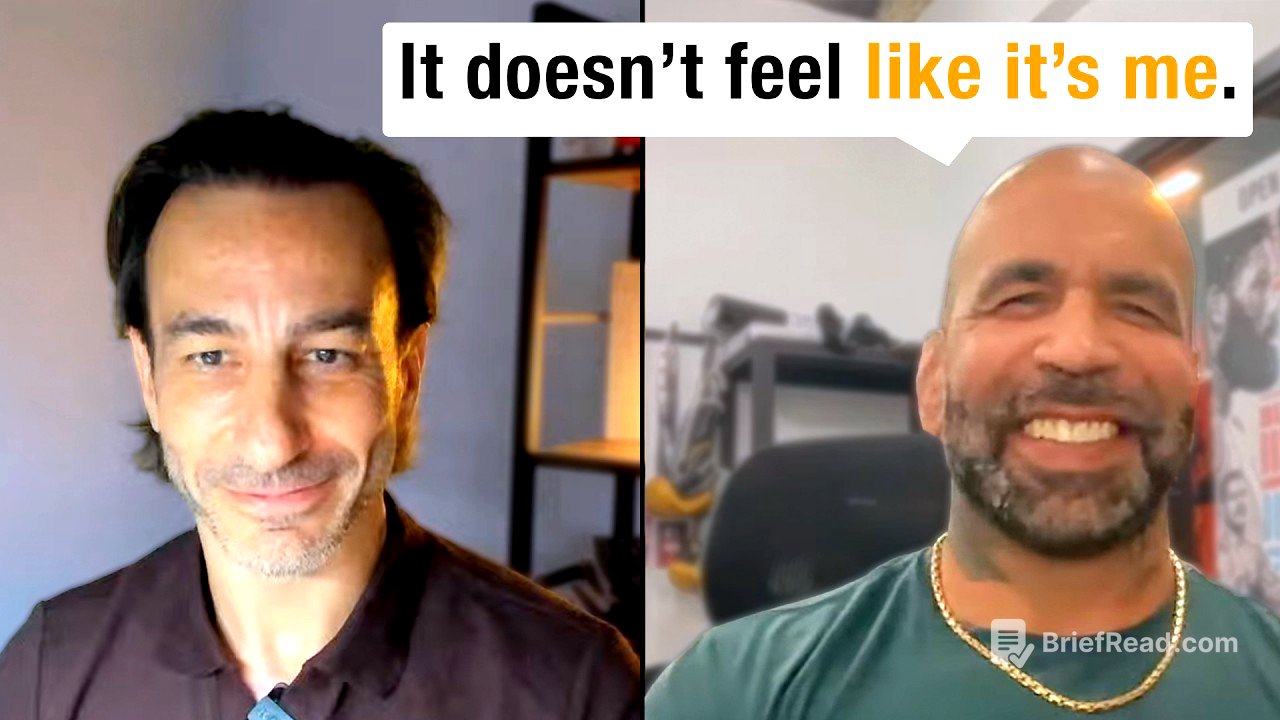
This video features Damon Cart demonstrating how to learn from mistakes using Neuro-Linguistic Programming (NLP) techniques. Key points include:
- Understanding the difference between association and disassociation to manage emotions regarding mistakes.
- Utilizing resourceful experiences to reshape one's perspective on past mistakes.
- Techniques for rehearsing better responses to situations and the importance of internal resources.
How to learn from mistakes [0:00]
Damon Cart introduces the concept of learning from mistakes and emphasizes the importance of working with the unconscious mind. He explains that mistakes can lead to unproductive responses and discusses how NLP can help reframe those experiences to extract the wisdom without the negative emotional baggage.
The first NLP demonstration [2:48]
Damon conducts a demonstration with Vinnie, who chooses a mistake to work on. Damon clarifies that they will not focus on the specific content of the mistake but rather on the experience of how Vinnie perceives it in his mind. He explains the concepts of association (fully reliving an experience) versus disassociation (observing oneself in the experience), highlighting how disassociation can provide a healthier distance.
Finding resourceful decisions [8:09]
Damon asks Vinnie to recall times when he made good decisions. The goal is to represent these resourceful experiences visually and keep them distanced to allow for clarity and detachment. Damon guides Vinnie through creating mental images of successful experiences, which serve as a resourceful backdrop to counterbalance the mistake.
Seeing the mistake in a new perspective [13:05]
After exploring resourceful decisions, Damon instructs Vinnie to visualize the mistake within the context of these positive experiences. Vinnie places the mistake in the center of his resourceful decisions, allowing him to see it in relation to the good decisions he has made, which shrinks its emotional weight and provides a new insight into his capabilities.
A second demonstration: a mistake during a fight [21:35]
In this section, the demonstration shifts focus to a specific fight mistake Vinnie wishes to address. Damon helps him narrow down the mistake to a single moment in time, urging him to explore his feelings about that moment and encouraging him to disassociate to reduce emotional intensity. They work together to widen the perspective of the experience and find ways to replace negative feelings with resourceful responses.
Changing the time and spatial perspective [24:33]
Damon applies techniques to help Vinnie adjust the time and space perspective of the fight mistake. By widening the timeframe and visual scope, Vinnie gains clarity and distance from the intense feelings initially associated with the mistake, allowing for a more constructive analysis of the situation.
Rehearsing a better response [33:39]
The focus shifts to helping Vinnie rehearse a more effective response for future situations similar to the one he encountered. Damon guides him through visualizing how he would handle the situation differently, emphasizing that this rehearsal should be repeated to reinforce new, positive behavioral patterns in his unconscious mind.
Q&A [37:03]
Damon opens the floor for questions, addressing common queries about NLP and how to apply the concepts discussed to deeper, more impactful mistakes. This section reinforces the idea that understanding and addressing values violated in mistakes can aid in overcoming regret and improving future responses.
What if you’ve regretted a mistake for years? [39:17]
Damon provides insights into dealing with long-term regrets, suggesting that identifying the values violated can help one understand the weight of regret and shape future behaviours. He reassures that feeling bad about a mistake can indicate a commitment to one’s values, which is a positive realization.
How do you choose a better response? [41:31]
This chapter focuses on practical methods to choose better responses after a mistake. Damon emphasizes understanding one’s positive intentions and identifying what resources might have been missing during the initial decision to ensure healthier choices in similar future situations.
Should you change the memory of what happened? [44:25]
Damon discusses the importance of not erasing past mistakes but rather reshaping how they are perceived. He emphasizes that experiences should remain intact in memory as a means to learn from them and avoid repeating them in the future.
What are internal resources? [47:21]
Damon elaborates on internal resources, such as values and emotional states that are innate to individuals. He explains how accessing these resources can aid in better decision-making and help mitigate feelings of panic or anxiety when facing mistakes.
Do you use the swish pattern? [50:10]
The conversation wraps up with a discussion about the use of the swish pattern, a specific NLP technique. Damon explains that, while he doesn't frequently use the swish pattern in isolation, he incorporates its principles in different contexts to help individuals replace unhelpful habits or thoughts with more empowering ones.