TLDR;
This video tells the tragic story of 14-year-old Trey Cooley, who was fatally struck by a stray bullet at a shooting competition in 1991. The investigation into his death uncovers a series of safety lapses at the Dallas Pistol & Revolver Club and reveals how a modified gun, combined with a flawed range design, led to the improbable trajectory of the bullet. Forensic animation plays a crucial role in demonstrating the events that led to Trey's death, ultimately leading to a successful negligence suit by the Cooley family.
- A stray bullet struck and killed Trey Cooley at a shooting competition.
- The investigation revealed safety flaws at the Dallas Pistol & Revolver Club.
- Forensic animation was crucial in understanding the bullet's path and securing a legal victory for the Cooley family.
Trey Cooley: An All-American Boy [1:02]
Trey Cooley, a 14-year-old from Arlington, Texas, is remembered as an all-American boy who enjoyed playing cello, baseball, and participating in Boy Scouts. He shared a close bond with his father, Butch, with whom he enjoyed shooting. On September 29, 1991, Trey accompanied Butch to a shooting competition at the Dallas Pistol & Revolver Club, where he volunteered to help. Tragically, while sitting in the air gun building, Trey was struck in the temple by a stray bullet and killed.
The Crime Scene Investigation [4:30]
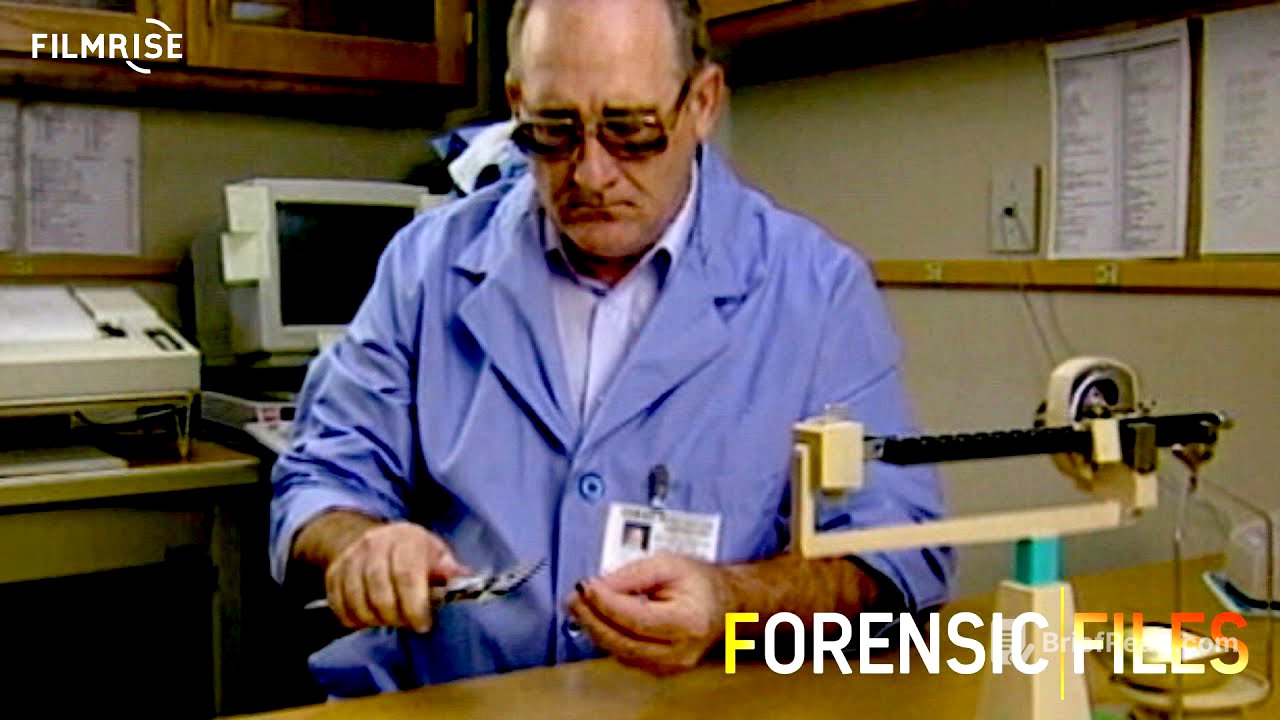
Following Trey's death, detectives Tom Pease and David Taylor began investigating the incident to determine the origin of the bullet and whether the shooting was accidental or intentional. The investigation was complicated by the size of the shooting range. Ballistics expert Larry Fletcher examined the bullet and determined it was a hand-loaded .45-caliber bullet, commonly used by competitive shooters. Investigators collected weapons and ammunition samples from the shooters at the competition. Fletcher identified red wax on the bullet, which matched the ammunition used by Dan Smith, a pistol competitor firing on the outdoor range behind the air gun building.
Safety Lapses at the Dallas Pistol & Revolver Club [9:10]
Butch Cooley, unconvinced that his son's death was a simple accident, hired attorney Mike Schmidt, who assembled an investigative team to examine the range's safety features. Accident reconstructionist Steve Irwin used laser technology to create a 3D model of the air gun building and firing ranges, tracing the bullet's path. Ken Buster, a safety management consultant, inspected the firing range and found numerous safety flaws, including an inadequately sized berm, substandard baffles with gaps, and bullet holes in the back of the building that had been plugged.
Unraveling the Trajectory [14:06]
The investigation revealed that shooters were firing from the 15-yard line during the competition, which was in front of the eyebrow and first set of protective baffles. This allowed a bullet to travel over the berm and into the air gun building. Further examination of Dan Smith's gun revealed it had been modified, potentially causing it to "double," or fire two rounds in quick succession due to recoil. Kirk Parks created a forensic animation to demonstrate the bullet's path, showing how it missed the target high and to the left, passed under the last baffle, over the berm, and into the building.
The "Magic Bullet" Trajectory [17:34]
The forensic animation reconstructed the events of September 29, 1991, illustrating how Dan Smith, firing from the 15-yard line with a modified gun, unintentionally fired a second shot during recoil. The bullet missed the target, traveled under the baffles, over the berm, and through a hole in the aluminum siding of the air gun building. Inside, the bullet struck a ceiling tile, skidded along it, changed direction, and ultimately struck Trey Cooley in the head.
Justice for Trey [19:44]
The Cooley family filed a negligence suit against the gun club and individuals involved in the competition. The judge praised the effectiveness of the forensic animation and computerized evidence presented during the civil case. The animation helped Butch Cooley understand the tragic circumstances of his son's death, though it brought little peace. The video concludes by highlighting the multiple factors that contributed to the tragedy, including the flawed range design, the modified gun, and the type of bullet used.