TLDR;
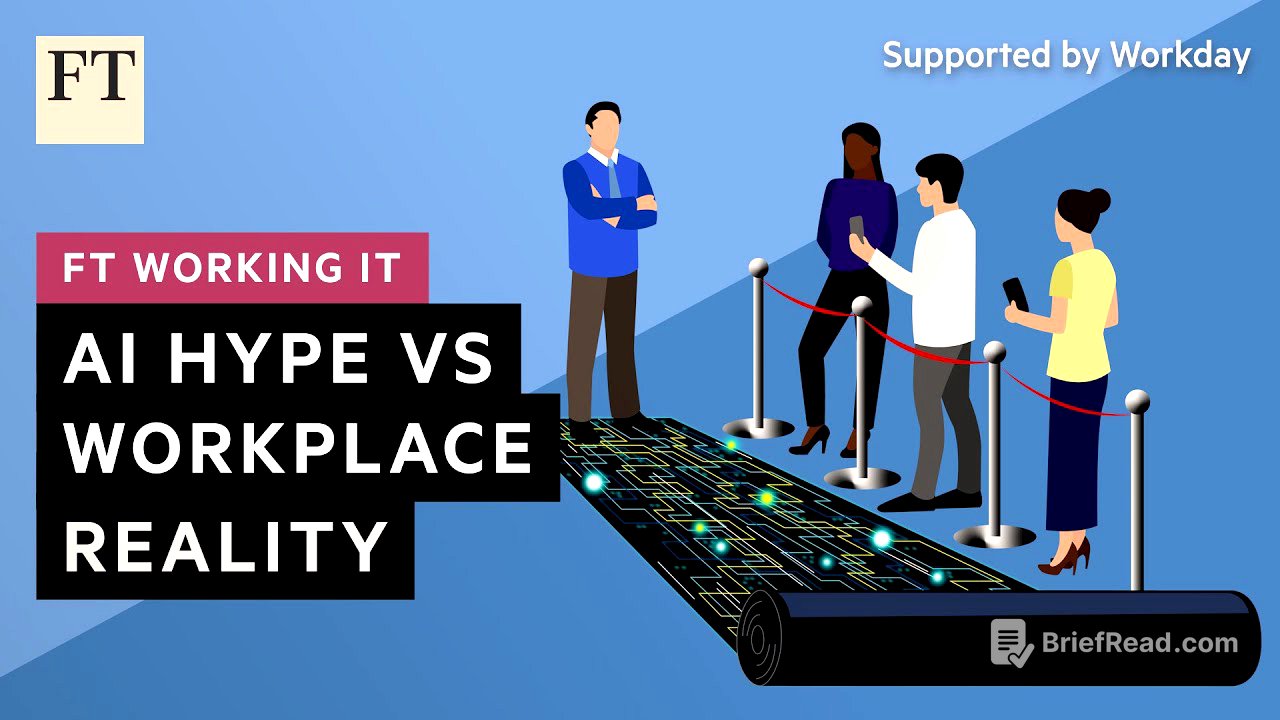
The video explores the current landscape of AI adoption in the workplace, comparing it to previous technological waves. Despite significant investment and interest, many companies struggle with effective AI integration and workforce training. Key insights include the uneven pace of AI adoption across different industries, challenges in realizing productivity gains, and the need for effective training and experimentation.
- Investment in AI is unprecedented, showing high potential for workplace automation.
- Only a small percentage of companies have fully integrated AI strategies.
- A significant gap remains in workforce training and the effective use of AI technologies.
The Tech Bubble and AI Investment [0:00]
The video opens by drawing parallels between the current AI investment wave and the tech bubble that burst early in the century. The influx of capital into AI is substantial, with hundreds of billions spent on workplace automation, yet only a small fraction of CEOs have a concrete AI strategy. The discussion highlights questions regarding return on investment and practical adoption across industries.
The State of AI Rollout [1:00]
At the Charter Workplace Summit in New York, discussions reveal that while technology companies are advancing rapidly with AI, many traditional businesses are still trying to understand its implications. There’s a clear divide where about 10% of companies are starting to implement AI processes effectively, but widespread gains in productivity are not yet realized. Various sectors are grappling with figuring out how to leverage AI effectively.
Insights from Industry Leaders [2:00]
Industry leaders share insights on the adoption of AI, observing that while tech companies view AI as a collaboration partner, others remain hesitant and lack a solid implementation strategy. The challenge remains in identifying the skills required for future workers as AI becomes more integrated into business models, and there’s a need for experimentation despite the discomfort that comes with it.
Challenges of AI Implementation [4:00]
The video highlights findings from an analysis of SP500 companies, noting a disconnect between the optimistic rhetoric on AI in earnings reports and the more cautious tone in regulatory filings. Many companies discuss the potential of AI but provide limited specific examples of actual use, with risks often overshadowing the promised benefits. Companies like Coca-Cola illustrate this trend by emphasizing AI's role in generating marketing content without detailing practical impacts.
Skills Gap and Training Needs [5:00]
Interviews reveal that AI adoption is hindered by a skills gap in workforce training. Companies are investing heavily in AI yet often fail to realize its full potential due to a lack of practical training on how to use new technologies. To close this gap, employers must invest in training programs that enhance employees’ proficiency in AI applications, moving beyond rudimentary use to fully harnessing AI's capabilities.
Impacts of AI on Productivity [7:00]
Despite significant investments, many businesses are not seeing the anticipated productivity gains from AI. There is a need for practical training to realize these gains effectively. For instance, accounts teams have improved their efficiency, indicating potential for AI to enhance productivity, but widespread macroeconomic impact remains elusive.
The Growing Adoption Rates [8:00]
The adoption of commercial AI platforms is accelerating rapidly, outpacing the rise of the internet. However, a discrepancy exists between personal use of AI tools and their workplace applications. This gap requires organizations to provide clear guidance and training on the appropriate use of AI in work contexts, considering the implications of sensitive data.
The Importance of Structured Data and Training [9:00]
Effective use of AI tools requires good structured data and robust cybersecurity defenses. Business leaders need to ensure that employees receive adequate training to become AI literate, which involves practical experience rather than just theoretical knowledge.
Personalized AI Training [10:00]
Experts suggest that tailoring AI training to specific roles can increase employee acceptance and understanding of AI tools. By making AI applications relevant to individual tasks, organizations can dispel skepticism and demonstrate AI's practical benefits in daily operations.
Internal Adoption at Cisco [11:00]
The CEO of Cisco's UK and Ireland division shares insights into how AI contributes to various aspects of the company's operations, highlighting the importance of leading by example in AI adoption. The success of AI initiatives hinges on continuous monitoring of usage and integration within the company’s culture, ensuring that employees are equipped to leverage AI effectively.
The Future of AI in the Workplace [13:00]
The discussion concludes with a reflection on the early stage of AI deployment in businesses, likening it to the internet's initial rollout. Continuous investment in effective deployment and training is crucial to realizing the long-term benefits and productivity gains promised by AI, amid concerns of potential overhype and subsequent failure in the field.