TLDR;
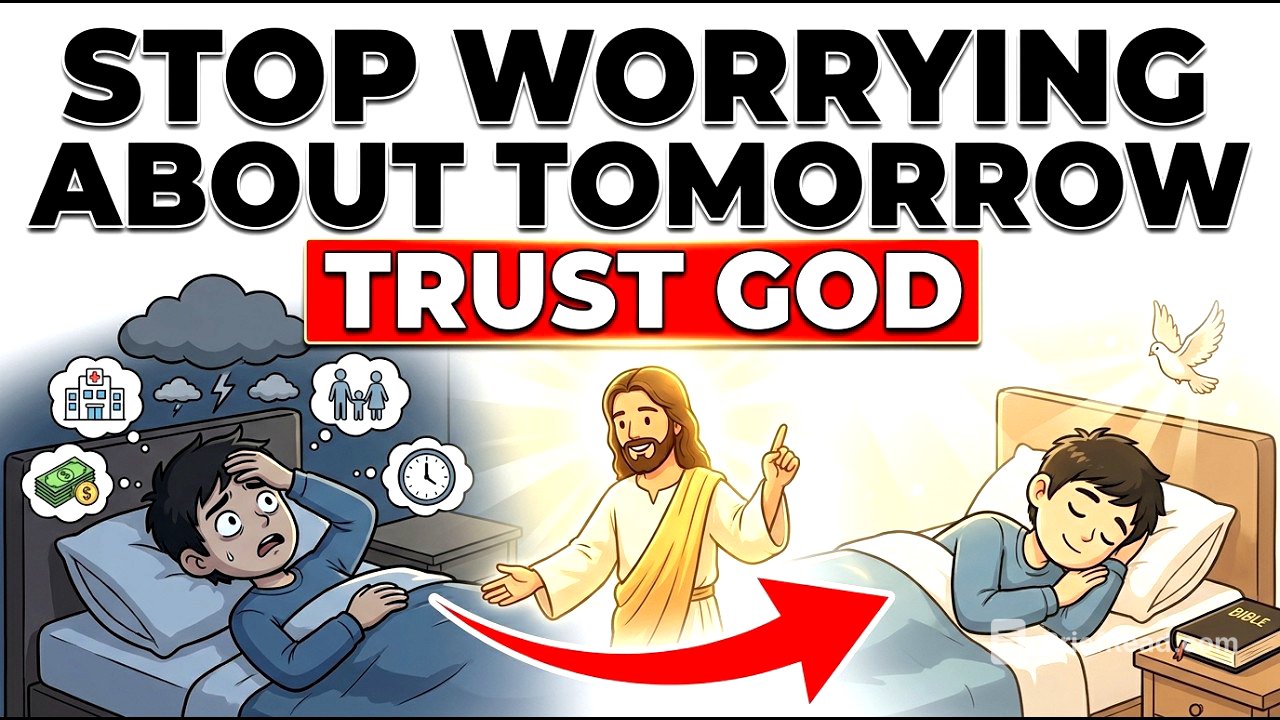
This video focuses on the theme of worry and anxiety, emphasizing that individuals often carry burdens about the future that are not theirs to bear. It discusses Jesus' teachings on worry, particularly from Matthew 6, and highlights how worry divides the mind, creating stress and preventing individuals from being present in their lives. The speaker explains that anxiety is not a lack of faith but a human response to uncertainty. By redirecting thoughts towards God and accepting help for both the mind and body, individuals can find peace.
- Worry about the future can cause anxiety and prevent presence in the current moment.
- Jesus teaches that worry leads to a divided mind, and individuals should instead focus on God's support for the future.
Understanding Worry and Its Impact [0:00]
The speaker opens by asking viewers to reflect on what burdens they carry concerning potential future events, such as health diagnoses or financial issues. The focus is on worries that exist solely in the mind and how they affect daily life. The main message conveyed is that God has never intended for individuals to carry such burdens, as Jesus said, "Do not worry about tomorrow." This chapter establishes the foundation for understanding that worry is an anticipated response that can spiral out of control, impacting mental well-being.
Identifying the Root of Anxiety [3:00]
The speaker emphasizes that worrying is a natural part of being human, where the mind attempts to prepare for potential outcomes. However, it becomes problematic when thoughts spiral into a cycle of anxiety, leading to physical symptoms and diminishing the ability to enjoy the present. The speaker reassures listeners that feeling anxious does not indicate weakness in faith, but instead highlights the mind's natural instinct to anticipate future events that may not materialize.
Divided Minds and Spiritual Teachings [6:00]
Exploring Matthew 6, the speaker discusses the Greek term "merimnao," which indicates a divided mind. Jesus points out that trying to serve both God and our fears leads to an inability to manage our thoughts effectively. The chapter illustrates how attempting to control the future disrupts spiritual peace, urging viewers to reconsider how they approach worry in their lives, emphasizing the importance of placing trust in God.
Lessons from Elijah’s Experience [10:00]
Using Elijah's story, the speaker demonstrates how even the strongest individuals can experience anxiety. After facing a daunting challenge, Elijah succumbs to fear and retreats into despair. In this moment, God's response is not a rebuke but an invitation for rest and nourishment. The lesson here is that physical care is essential when dealing with anxiety, where God prioritizes our well-being over the need for sermons or reprimands.
Redirection Toward God’s Kingdom [20:00]
This chapter introduces how the cure for anxiety is not to eliminate thoughts but to redirect focus towards God's Kingdom. The original Greek word for "seek" denotes an intense pursuit rather than a passive effort to stop worrying. Redirecting thoughts toward God encourages individuals to focus on the present and to trust in divine providence, ultimately reducing the grip of anxiety.
Casting Cares and Finding Peace [30:00]
The speaker refers to 1 Peter 5:7, which encourages believers to "cast all your anxiety on him." The term "cast" suggests an active and forceful release of burdens. This act is not simply handing over worries but hurling them onto God, who is intimately aware of personal struggles. The speaker reassures listeners that God invites them to relinquish their anxieties, drawing attention to the importance of trust and immediate care in moments of distress.
Understanding the Future and Its Burdens [40:00]
The conclusion of this message reiterates the importance of not borrowing trouble from tomorrow. Jesus acknowledges that each day comes with its challenges but insists that those burdens belong to their respective days. This section emphasizes the need for clarity regarding what one can manage today and the importance of trust in what God holds for the future, encouraging viewers to seek comfort and take action toward mental peace rather than feeling overwhelmed by anxiety.