TLDR;
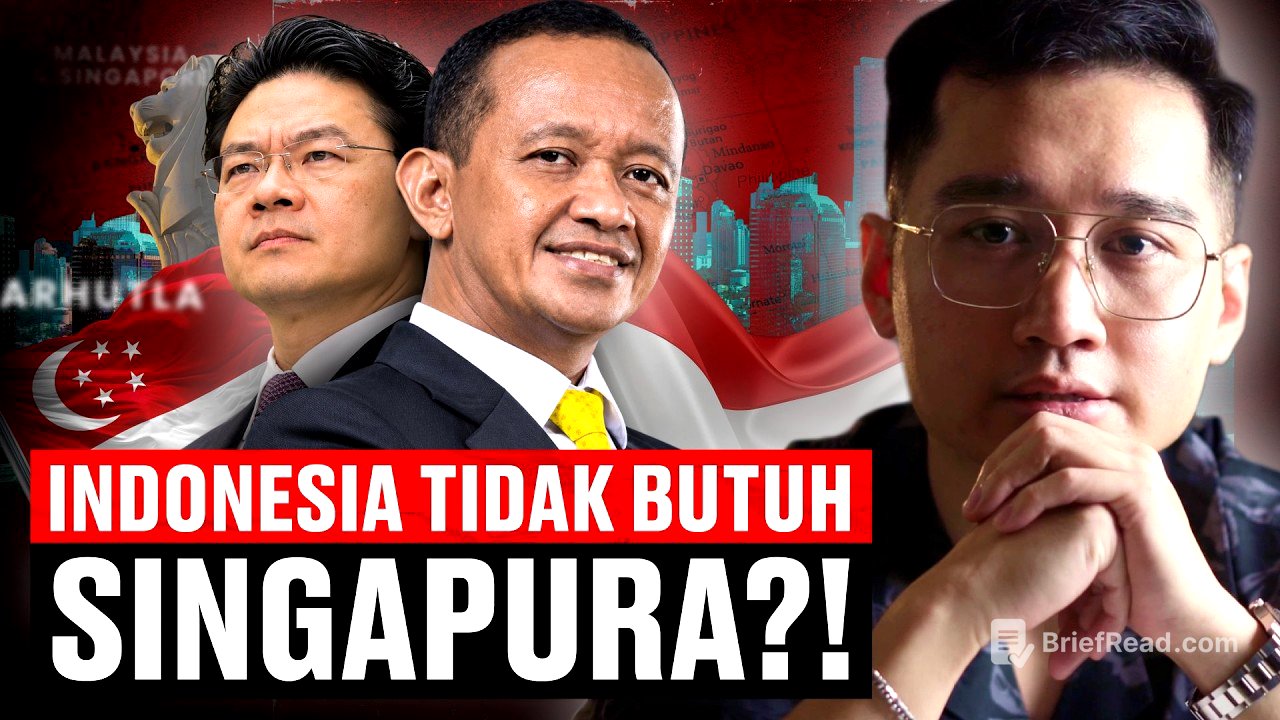
The video discusses the tense geopolitical tensions between Indonesia and Singapore, primarily sparked by Indonesia's decision to cut natural gas supplies to Singapore. Key points include:
- Indonesia's decision to reduce gas exports leads to reactions regarding internet connectivity and potential economic impacts.
- The interdependence of both nations' economies, particularly regarding energy resources and investments.
- The importance of contractual obligations and the balance of perceived power in their relationship.
Chapter 0 - Why Are Indonesia and Singapore Suddenly at Odds? [0:00]
In October 2022, political tensions rose in Southeast Asia, with Indonesia reducing gas exports to Singapore. This decision highlights the deterioration of diplomatic relations, moving beyond the usual ASEAN diplomacy to a more aggressive stance. Key Indonesian officials discussed the implications of this action, including potential threats to sever internet cables that connect the two nations, emphasizing the vulnerability of Indonesia’s digital infrastructure.
Chapter 1 - Why Did Indonesia Cut Gas Supplies to Singapore? [2:28]
Indonesia's Minister of Energy and Mineral Resources announced an 8% cut in gas supplies to Singapore, responding to what he perceives as Singapore's lack of respect for Indonesia's agreements. This escalation is tied to Indonesia's internal dynamics, with motivations including protecting local energy needs, amidst rising tensions caused by policies like environmental regulations leading to forest fires that affected Singapore.
Chapter 2 - What Happens if Singapore Cuts Indonesia's Internet Cables? [4:47]
The potential threat from Singapore to cut internet cables connecting to Indonesia stirred concerns about disruptions to Indonesia’s digital economy. With 90% of Indonesia's international internet traffic passing through Singapore, the consequences of such an action would be devastating, affecting critical sectors including banking and communications in Indonesia, but it would also significantly harm Singapore given their intertwined digital economies.
Chapter 3 - Can Singapore Bring Down Indonesia's Economy by Withdrawing Investments? [6:46]
Singapore is a major investor in Indonesia, with significant financial inflows that are crucial for the Indonesian economy. However, much of this investment consists of funds from Indonesian conglomerates that have moved their capital to Singapore for better asset protection and tax benefits. Therefore, if Singapore were to withdraw investments, it could primarily impact funds originally from Indonesia, raising questions about the true ownership of investments.
Chapter 4 - Can Indonesia and Singapore Function Without Each Other? [9:15]
The relationship between Indonesia and Singapore is characterized by mutual dependencies; while Indonesia supplies gas to Singapore, it also imports refined oil products from Singapore. This imbalance suggests that economic actions from either side could have severe consequences. Singapura relies on Indonesia for natural resources, but Indonesia's dependency on Singapore for refined oil creates a complex interdependence that discourages drastic measures.
Chapter 5 - Why Can't Indonesia and Singapore Truly Separate? [11:46]
Despite tensions, the intrinsic relationship between Indonesia and Singapore reveals the impossibility of complete separation. Both nations require each other for economic stability and growth. Events like the gas dispute showcase how both countries need to maintain a working relationship despite occasional conflicts, as both stand to lose significantly from a breakdown.
Conclusion - Who Holds More Bargaining Power? [13:38]
Ultimately, while Indonesia may seem to hold power by cutting gas supplies, Singapore's stability and the dependence on legal structures give them a significant advantage. The conclusion emphasizes that although tensions manifest through political actions and public declarations, both nations are likely to continue negotiating cooperatively due to their economic interdependencies and the importance of maintaining stability in the region.