TLDR;
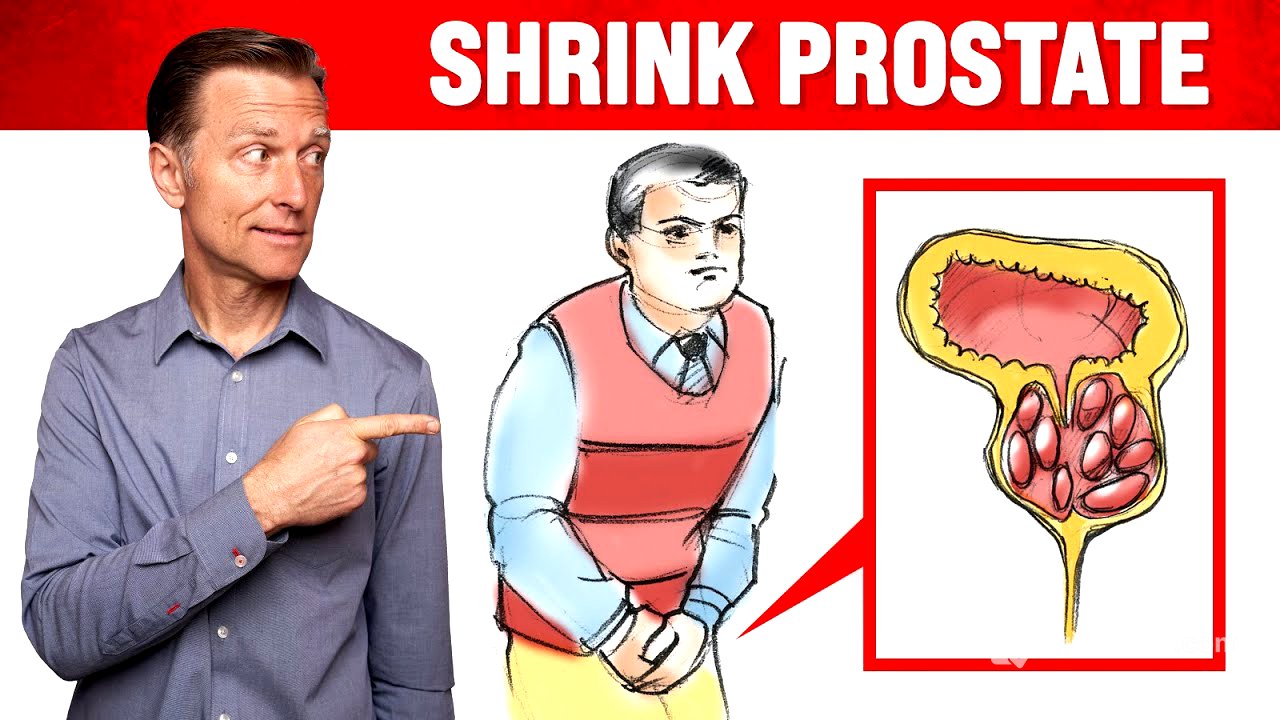
This video discusses the common issue of enlarged prostate, also known as benign prostatic hyperplasia (BPH), affecting many men as they age. The content differentiates BPH from prostate cancer and explores the causes, effects, and dietary recommendations for managing prostate health.
- Prostate enlargement occurs due to hormonal changes as men age.
- Distinguishes between benign prostatic hyperplasia and prostate cancer, emphasizing the benign nature of BPH.
- Provides dietary advice and strategies to improve prostate health and mitigate symptoms.
Introduction: How to shrink your enlarged prostate and stop nighttime bathroom trips [0:00]
Enlarged prostate, or benign prostatic hyperplasia (BPH), is a common problem affecting approximately 50% of men as they age. The prostate, which normally measures the size of a walnut, can grow significantly, leading to urinary issues such as frequent nighttime trips to the bathroom and difficulty fully emptying the bladder. This chapter introduces the topic, outlining that despite its common occurrence, it is a manageable condition with effective solutions.
BPH vs. prostate cancer [0:31]
This chapter explains the differences between BPH and prostate cancer. BPH is a benign condition that does not cause death or spread, while prostate cancer involves the transformation of normal cells to cancerous ones. The symptoms of prostate cancer include blood in urine or semen, painful urination, and issues with erections. BPH primarily affects urinary function due to the prostate's growth around the urethra.
Phytoestrogen [2:12]
Phytoestrogens are plant-based compounds that mimic estrogen in the body. The chapter discusses their role in prostate health, stating that these compounds can help prevent prostate cancer and slow its progression, particularly in early stages. However, caution is advised for advanced cancer cases, especially in castrated males. Unlike other forms of estrogen that can enlarge the prostate, phytoestrogens may inhibit harmful effects on prostate tissue by blocking certain receptors.
What causes BPH? [3:42]
Two main theories are presented regarding the causes of BPH. The first involves hormonal changes with aging, specifically a decrease in testosterone and an increase in estrogen. This hormonal imbalance leads to prostate enlargement, as estrogen promotes growth. The second theory highlights the role of dihydrotestosterone (DHT) and the enzyme 5-alpha reductase, which converts testosterone to DHT. Elevated DHT levels can contribute to prostate growth.
Best foods for prostate health [7:34]
In this chapter, several dietary strategies to support prostate health are outlined. Recommended foods include phytoestrogen-rich beans, cruciferous vegetables like broccoli and kale, and natural aromatase inhibitors, such as lemon peel and stinging nettle root. These dietary changes can help balance estrogens and inhibit the enzymes responsible for prostate enlargement. Additionally, the chapter advises against high insulin levels, dairy, and alcohol, while suggesting alternatives like kombucha tea.
Thanks for watching [12:10]
The video concludes with a thank you to viewers for their attention and encourages them to take proactive steps towards managing their prostate health.