TLDR;
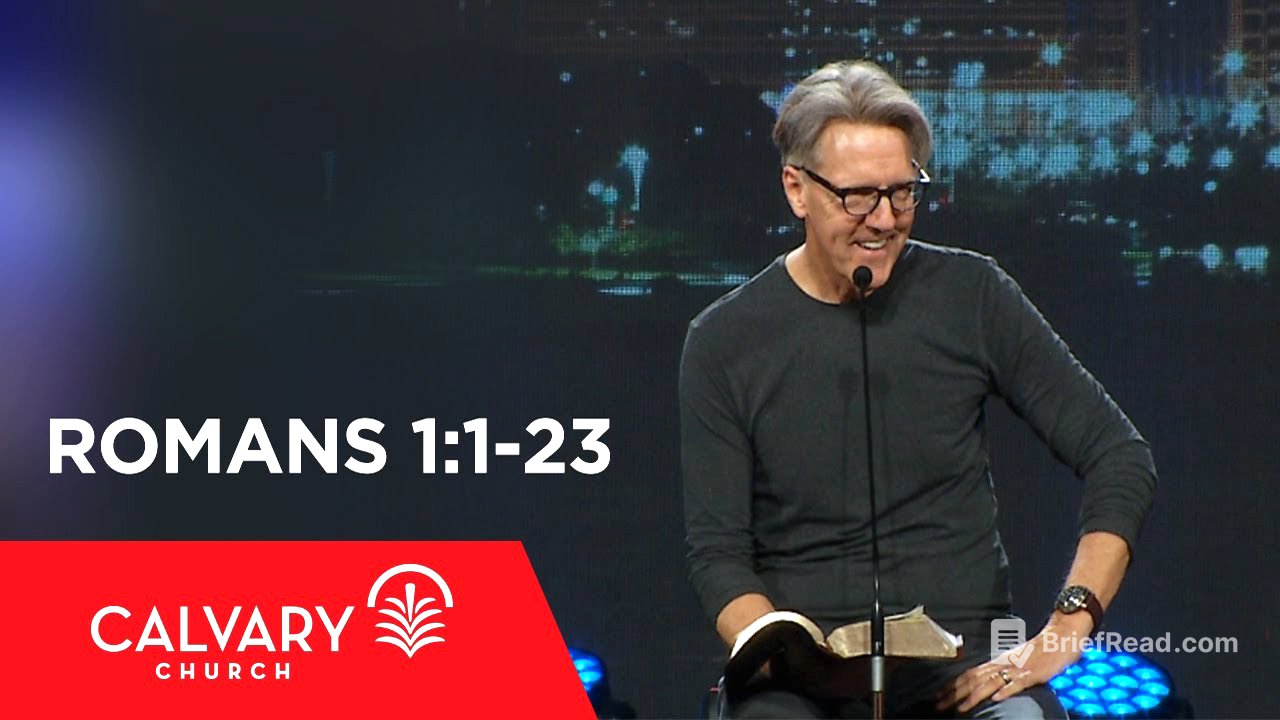
In this video from Calvary Church, Skip Heitzig introduces a comprehensive study of the Book of Romans, highlighting key themes and historical context. He emphasizes the significance of understanding both the grace of God and the necessity of faith for salvation, as outlined in Romans.
- The study emphasizes the importance of Scripture and faith.
- Key concepts explored include the righteousness of God, the law, and the role of Paul in spreading the Gospel.
Introduction to Romans [0:02]
Calvary Church is committed to teaching Scripture verse by verse, encouraging attendees to experience life change through God’s word. The evening begins with a call to prayer and an introduction to the Book of Romans, highlighting the importance of focus during the upcoming study.
Overview of Paul's Desire to Visit Rome [0:19]
Skip expresses his excitement and apprehension about teaching the Book of Romans, noting that it is his seventh time doing so. He acknowledges Paul's desire to visit the church in Rome, which serves as a backdrop for understanding the letter's purpose. Even though Paul had not yet visited Rome when writing, he desired to establish a strong connection with its believers.
Historical Context and God’s Promise [3:08]
The video outlines the historical context of Paul's letter, noting that during this time, Rome was seen as the "uttermost" part of the world. He recounts how Jesus intended the Gospel to spread to all corners of the earth, including Rome. Paul was not a believer during Jesus’ ministry but later became instrumental in spreading the Gospel.
Structure of the Book of Romans [5:08]
Skip discusses the structure of Romans, divided into four main themes: the wrath of God, the grace of God, the plan of God, and the will of God. Each section addresses fundamental Christian doctrines, focusing on humanity's need for righteousness and salvation through faith.
Significance of Key Terms [10:17]
He highlights significant terms such as "law," "righteousness," and "faith," which are repeated throughout the letter. Understanding these key concepts is crucial to grasping the overall theme of righteousness before God, which is attained through faith, not adherence to the law.
Paul's Introduction in Romans [15:29]
Paul begins his letter by identifying himself as a servant of Jesus Christ, emphasizing his role as an apostle. He references his Jewish roots and the significance of the Gospel promised in the Old Testament, connecting Jesus to the lineage of David, which is vital for understanding His messianic role.
Interaction with the Romans [29:40]
Skip explains how Paul’s letter reaches the Romans, composed primarily of believers who likely came to faith after visiting Jerusalem. He expresses gratitude for their faith, which has spread throughout the world, showcasing the church’s growth and influence.
Importance of Gratitude in Prayer [33:43]
Paul exemplifies the attitude of gratitude, consistently thanking God in his prayers, which sets a framework for approaching God amid life's challenges. He emphasizes the significance of thanksgiving over complaints, encouraging believers to maintain an attitude of gratitude.
Paul's Hope to Encourage the Romans [37:45]
Paul expresses his desire to visit Rome not just to preach but also to be encouraged by mutual faith with believers. He emphasizes the importance of fellowship and the mutual encouragement that stems from shared faith in Christ.
Understanding the Debts Paul Feels [41:11]
Skip discusses Paul’s sense of obligation to share the Gospel, referring to himself as a debtor to both Greeks and barbarians. This illustrates the universal need for salvation irrespective of cultural backgrounds, underscoring the Gospel's inclusive nature.
Paul as a Proclaimant of the Gospel [43:57]
Paul’s commitment to preach the Gospel highlights that he is unashamed of the message, which is the power of God for salvation for everyone who believes, notably emphasizing the order of the message going to the Jew first and then to the Gentile.
The Wrath of God Revealed [51:10]
The focus shifts to the concept of God’s wrath, which is essential in understanding the contrast with God’s grace. Skip explains that awareness of the bad news—humanity’s condemnation—is crucial for appreciating the good news of salvation.
Creation as Evidence of God [53:15]
Paul argues that God's existence is evident through creation, making humanity without excuse for failing to acknowledge Him. This addresses idolatry and emphasizes that the attributes of God are visible through the world around us, challenging believers to recognize His handiwork.
Conclusion: The Challenge to Remember Grace [59:50]
The session concludes with a reminder of the Gospel's powerful nature and the importance of accepting God's gift of salvation through faith. Skip urges viewers to reflect on their relationship with Jesus and to consider a commitment to faith as they explore upcoming teachings in Romans.