TLDR;
This video explains Reader Response Theory, highlighting Louise Rosenblatt's idea that readers actively create meaning from a text rather than passively receiving it. It emphasizes the interaction between the reader and the text, where personal experiences and ideologies influence interpretation. The theory posits that reading is a transaction where meaning is constructed, and while individual responses are personal, they are also situated within a larger community of readers.
- Reader Response Theory emphasizes the active role of the reader in creating meaning.
- Meaning is constructed through the interaction between the reader and the text.
- Personal experiences and ideologies shape individual responses to a text.
- Reader responses are situated within a larger community of readers.
Introduction to Reader Response Theory [0:01]
The video introduces Reader Response Theory, setting the stage for an explanation of its core principles. It begins by mentioning Louise Rosenblatt's perspective on how readers engage with a text.
Core Concepts of Reader Response [0:08]
Louise Rosenblatt's view that a reader "makes a poem as he reads" is presented, emphasizing that readers actively create meaning instead of finding a fixed meaning within the text. This theory stresses the interaction between the reader and the text, asserting that the author's intentions are irrelevant because a text can have multiple meanings that change over time. Reading is described as a transaction where readers construct meaning as they progress through the text.
The Reader's Role in Creating Meaning [0:48]
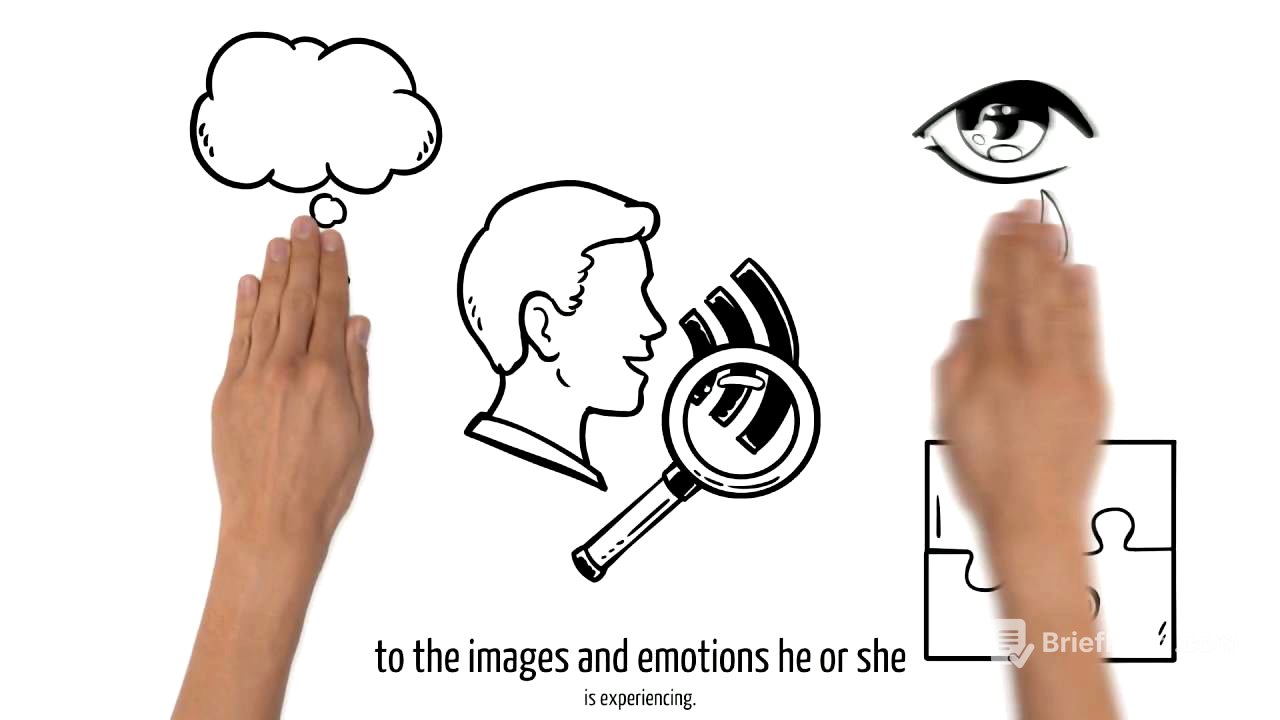
Readers bring their own experiences and ideologies to a text, resulting in differing responses. The reader infuses personal meaning into the text's verbal symbols, while the text guides meaning through its structure. To create meaning, a reader must actively build and synthesize, paying attention to both the words and their own images and emotions. The text does not contain inherent meaning but guides the active creation of meaning.
Reader Response vs. Personal Response [1:30]
Reader response is distinguished from personal response, clarifying that individual responses are situated within a larger community of readers. Active discussion within this community shapes and contextualizes these individual interpretations. The ideas presented are credited to Deborah Appleman's "Critical Encounters in Secondary English" and Tom Gillespie's "Doing Literary Criticism."