
TLDR;
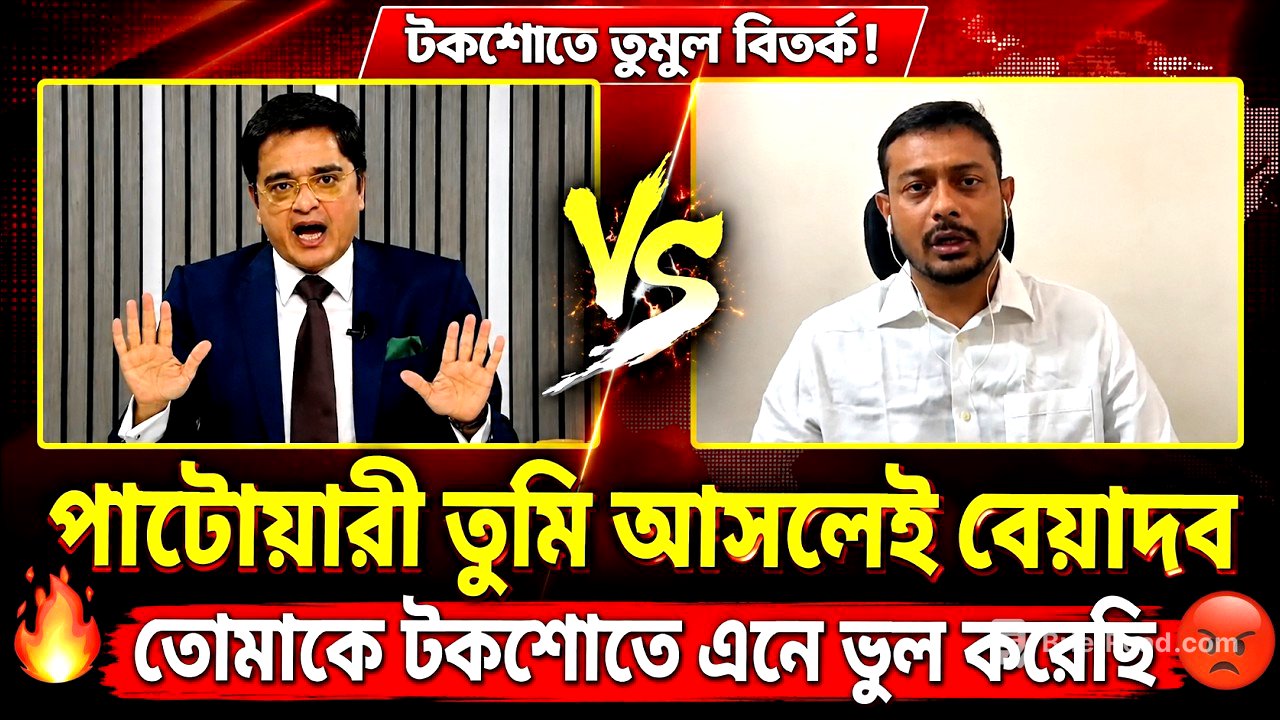
This discussion revolves around the relationship between educational qualifications and perceptions in Bangladesh, particularly focusing on the context of the education system, public criticism, and political influences. Key points include:
- The ongoing societal perception of educational achievements and their implications, especially concerning students and educators.
- The debate regarding the constitutional positions and roles associated with family members of political leaders in Bangladesh.
The Relationship with Nasiruddin's Certificate [0:00]
The conversation initiates by examining the connection between Nasiruddin and educational certificates. It questions the significance of educational qualifications in the context of public discourse and societal attitudes towards students.
Understanding the Certificate's Context [0:02]
The discussion explains why the issue of certificates is emerging and the importance of explaining this to the younger generation. The speaker emphasizes that insults directed at students based on their educational status need to be addressed.
Public Insults Toward Students [0:05]
A reference is made to instances where students are insulted, particularly focusing on remarks made by governmental authorities. The speaker questions the reasoning behind such insults, emphasizing that it reflects poor understanding.
Context of Insults in Education [0:10]
The narrative continues to discuss how insults towards students correlate with their status in education, primarily highlighting what implications such behavior has on student morale and self-esteem.
Ministerial Comments and Student Reactions [0:20]
Discussion shifts to comments made by the education minister and the perceived disconnect between political figures and students. The inadequacy of understanding among powerful figures regarding educational realities is explored.
Educational Attainment and Real-World Connections [0:30]
The speaker draws attention to how educational achievements should not solely define an individual's capabilities or value in society. Examples from familiar figures in politics and their positions of power are used to illustrate this point.
Cultural Comparisons in Government Roles [0:50]
Cultural norms regarding the roles of relatives of political figures in various countries, including Canada, Britain, and Japan, are analyzed. These nations often do not attribute constitutional roles to family members but allow them to participate voluntarily in governmental activities.
Constitutional Roles in Bangladesh [3:00]
The conversation delves deeper into inquiries about constitutional positions relating to the Prime Minister's family in Bangladesh, scrutinizing the uniqueness of this context compared to other nations with similar democratic structures.
Civic Engagement and Political Family Dynamics [3:20]
Further analysis addresses how engagement in political roles by family members in Bangladesh is viewed. The impact of this on public trust and perceptions of governmental integrity is discussed.
Critiques on Governmental Authority [4:00]
The speaker critiques the authority of politicians leveraging familial connections for positions. This critique highlights the issues of nepotism and the necessity for transparent governance.
Political Dynamics and Educational Authority [5:00]
A narrative unfolds concerning the educational disruptions caused by political agendas, suggesting that government influences may be coercing students into activism as a means to advance individual careers within politics.
Controversial Statements and Accountability [6:40]
The speaker emphasizes the importance of accountability among political figures making controversial statements regarding education and its effects on the youth, urging for a reconsideration of their influences on public perception.
Final Thoughts on Political and Educational Integrity [8:20]
The discussion concludes with reflections on the need for both educational integrity and political accountability, advocating a shift in cultural narratives that currently tie educational outcomes too closely to individual worth within society.





![Unang Balita sa Unang Hirit (Part 1): SEPTEMBER 30, 2025 [HD]](https://wm-img.halpindev.com/p-briefread_c-10_b-10/urlb/aHR0cDovL2ltZy55b3V0dWJlLmNvbS92aS9idDhGZ1RrcklqTS9ocWRlZmF1bHQuanBn.jpg)