TLDR;
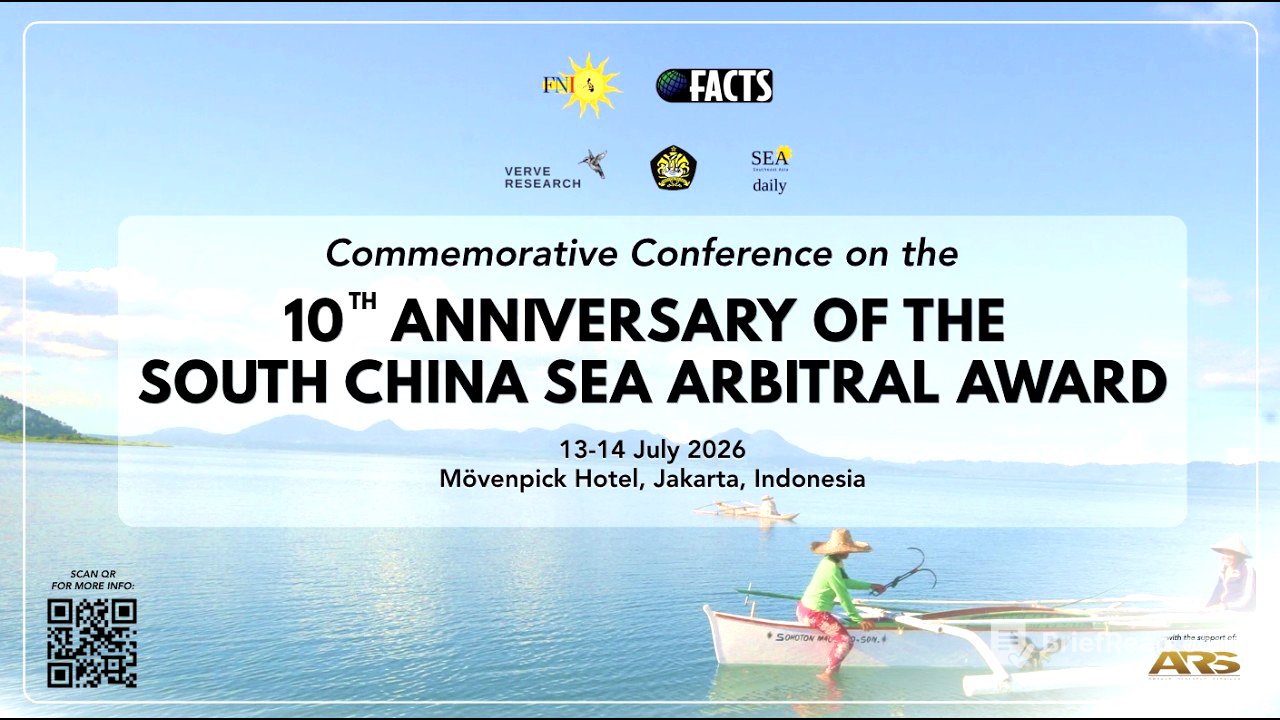
The video commemorates the 10th anniversary of the South China Sea arbitral award issued on July 12, 2016, highlighting its importance for the Philippines, ASEAN, and international maritime law. The speakers emphasize the significance of the award in clarifying maritime entitlements, promoting peaceful dispute settlement, and the broader implications for regional stability and international law.
- The award delineated maritime rights based on law rather than historical claims.
- It serves as a catalyst for discussions on maintaining a rules-based maritime order in the South China Sea.
Introduction to the Commemoration [0:00]
The event features distinguished speakers, including diplomats, representatives, and influencers in international law. The host expresses appreciation for Indonesia and partners for facilitating this gathering and highlights the importance of the 2016 arbitral award.
Significance of the 2016 Arbitral Award [1:23]
The award issued by the arbitral tribunal clarified maritime entitlements and reaffirmed the importance of legal foundations in resolving disputes peacefully. It serves not just the Philippines' interests but bears substantial relevance for all ASEAN member states, emphasizing the significance of international law in maintaining maritime order.
Importance for ASEAN and Regional Order [3:39]
ASEAN members have a vested interest in the principles underlying the 2016 award, which impact navigation, resource management, and overall regional stability. The speakers question if ASEAN members desire a region governed by rules or by power dynamics, emphasizing the need for a collective commitment to international law.
Challenges in Implementation and Current Realities [5:11]
Despite the award's significance, implementing its provisions remains a challenge ten years later as complexities in geopolitical dynamics and power disparities increase. The need for diplomacy, discussions on strategies, and deepening understanding among ASEAN nations are crucial moving forward.
The Broader Context of the Award [6:13]
The Philippines recognizes the need for a broader regional socialization of the arbitral award. Different perspectives among ASEAN states highlight the necessity for dialogue and understanding regarding maritime laws and collaborative efforts.
Discussion on Legal Framework and Engagement [8:07]
The conference aims to foster an environment for thoughtful discussions on legal, policy, and practical implications of the arbitral award. Participants are encouraged to engage openly and constructively while understanding the award's significance for regional relationships and cooperation.
Reflections on Indonesia’s Position [11:41]
Indonesia, not a party to the arbitration, maintains a position supporting a legal framework based on the 2016 award. The conference seeks to promote regional cooperation without bias toward any nation, while acknowledging the complexities of the existing maritime disputes.
Effects of China’s Claims [14:45]
The presentation discusses how China's "nine-dash line" claim affects maritime rights and stresses that nations must lodge formal protests against China’s positions to preserve their interests. The risks of acquiescence to China's claims can lead to adverse effects on regional fishing rights and access to natural resources in the South China Sea.
Call for Collective Action [26:06]
The concluding message urges all nations involved to formally protest against China's claims to prevent acquiescence under international law. The speaker emphasizes that collective action could safeguard national interests against potential legal ramifications resulting from China’s assertions.