TLDR;
In this video, the presenter explains how smart money manipulates the market to trap retail traders and how understanding liquidity can enhance trading strategies. Key points include:
- Liquidity is essential for trading, as each buyer needs a seller and vice versa.
- Retail traders often get trapped by the market moving to liquidity points, leading to losses at stop-loss levels.
- Identifying these liquidity pools, including old highs and lows, allows traders to anticipate market movements effectively.
Understanding Liquidity in Trading [0:00]
The video begins by discussing the concept of trading liquidity and how retail traders typically get stopped out just before prices move in the opposite direction. The presenter identifies this pattern as a trap set by larger market players, who seek to exploit liquidity before making significant moves.
The Importance of Liquidity [0:30]
Liquidity is defined as the pool of buy and sell orders essential for executing trades. The presenter emphasizes that for every trade—whether buying or selling—there needs to be a counterpart. Understanding where institutional traders are trying to position themselves is crucial in trading decisions.
Stop-Loss Placement [2:08]
Retail traders often put stop-loss orders strategically at old highs and lows, creating predictable liquidity points. When the market takes out these stop-loss levels, it generates enough buying or selling pressure for larger players to execute their trades effectively.
Market Reactions and Trading Patterns [3:46]
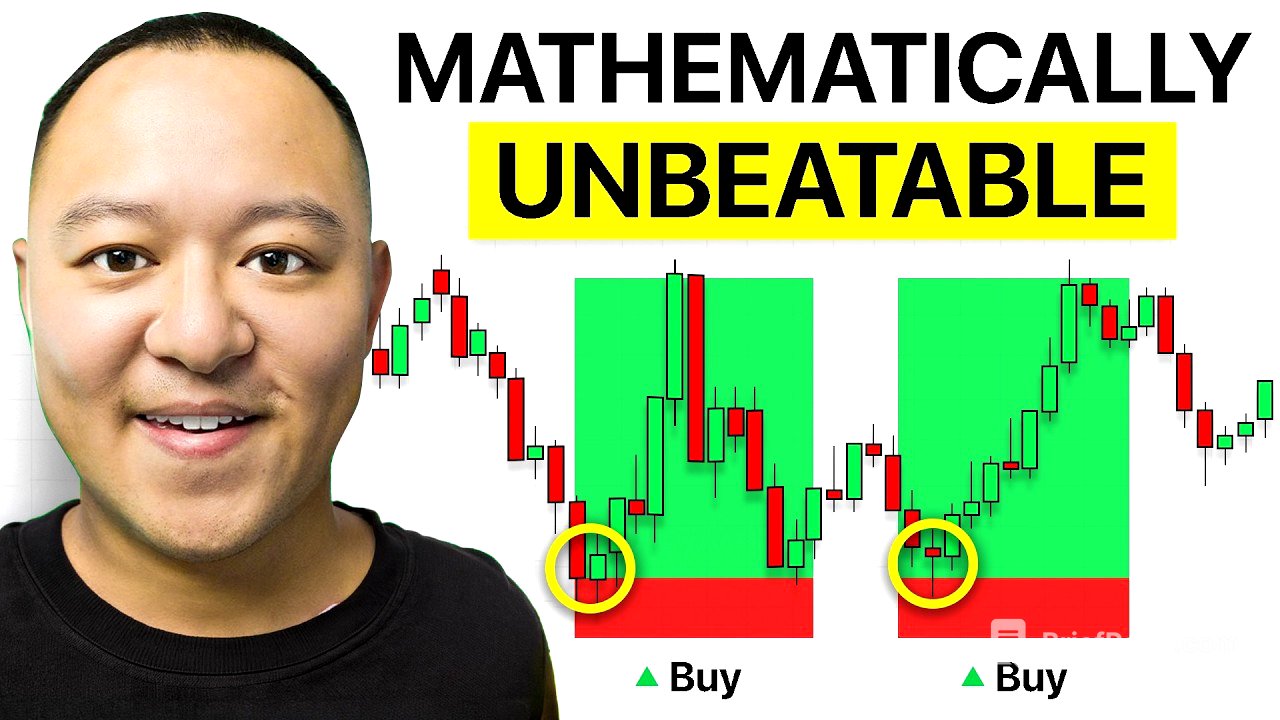
The presenter shares insights on identifying high-probability trading setups based on market reactions after stop-loss runs. Specifically, observing quick snapbacks into trading ranges after price takes out highs or lows can signal potential entry points for traders looking to align with smart money.
Timing and Context for Trades [5:46]
Traders should mark previous highs and lows on their charts to gauge potential market reactions. This allows them to determine whether to trade with the trend by looking for liquidity on the opposite side, ensuring they are making informed decisions based on market context.
Analyzing Past Trading Examples [9:12]
Through various trading examples, the presenter illustrates how identifying swing failure patterns can lead to successful trades. Even if a trade doesn't initially go in the desired direction, understanding market behavior around liquidity levels can lead to profitable opportunities.
Common Mistakes in Trading [12:50]
Mistakes include entering trades while wicks are forming, misidentifying breakouts, and not appropriately placing stop-loss orders. The presenter urges traders to wait for market closures and confirmed movements rather than impulsively entering trades based on premature signals.
The Path to Trading Success [14:52]
The presenter concludes by stressing the importance of mentorship and education in trading. By joining a training program, traders can gain insights and support to enhance their skills, aiming to improve their trading outcomes based on the principles discussed throughout the video.