TLDR;
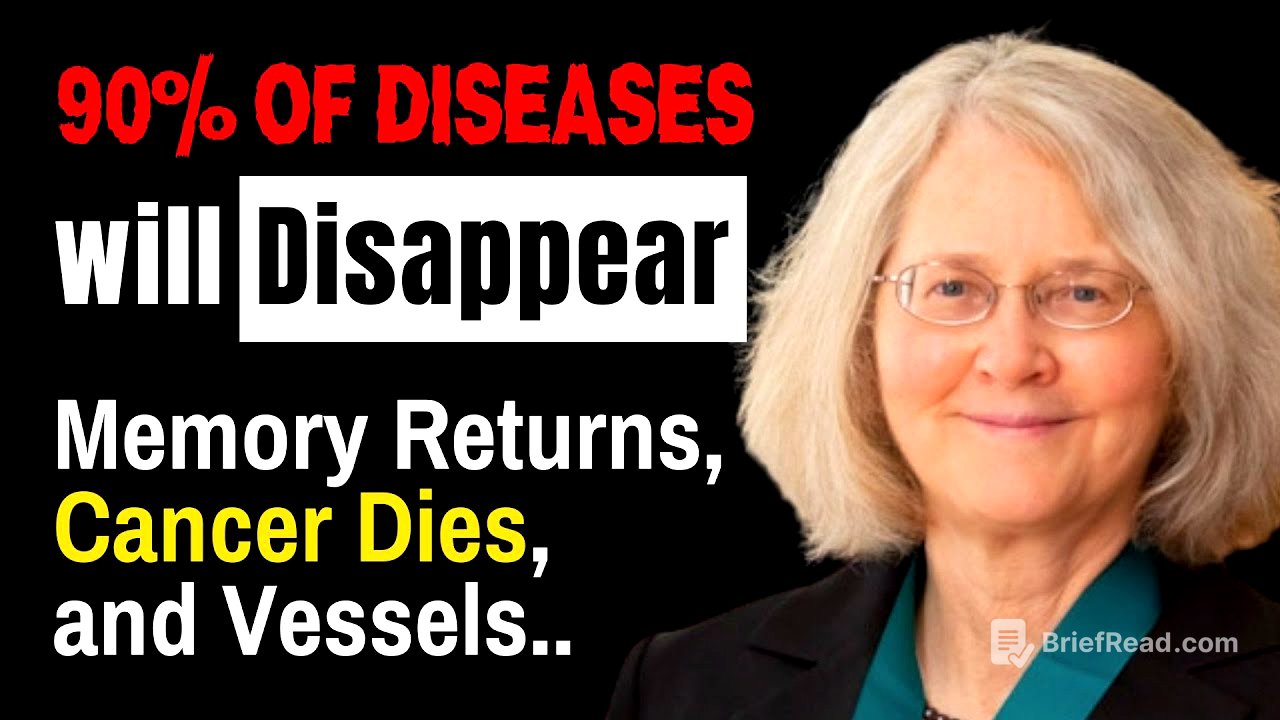
This video presents three longevity secrets inspired by Nobel Prize-winning discoveries. It covers the importance of telomeres and how to protect them, the process of autophagy and how to activate it, and the role of ribosomes in maintaining cellular health. The video emphasizes practical, science-backed tips involving stress management, exercise, diet, sleep, and social connections to support a healthy, long life.
- Protecting telomeres through stress management, exercise, diet, and sleep.
- Activating autophagy through intermittent fasting and exercise.
- Supporting ribosomes through calorie restriction, physical activity, sleep, and a nutrient-rich diet.
Dr. Elizabeth Blackburn, 2009 Nobel Prize Winner (Medicine) [0:55]
Dr. Elizabeth Blackburn's discovery of telomeres, the protective caps on DNA, revolutionized the understanding of aging. Her research in the 1970s on tetraimina revealed that telomeres could maintain their length due to an enzyme called telomerase, preventing cellular aging. Research has shown that telomere attrition contributes to cardiovascular diseases, Alzheimer's, some cancers, and diabetes. Chronic stress can shorten telomeres, increasing the risk of early disease and death. Practices like meditation, exercise, a nutrient-rich diet, quality sleep, and social connections can help maintain telomere length and promote healthy aging.
Dr. Yoshinori Ohsumi, 2016 Nobel Prize Winner (Medicine) [4:37]
Dr. Yoshinori Ohsumi's work uncovered autophagy, the body's self-cleaning process that recycles damaged cell components. His experiments with yeast cells under nutrient deprivation demonstrated that autophagy is activated by nutrient stress, allowing cells to recycle old proteins and organelles for energy. This process is essential for preventing cellular damage, inflammation, and disease. Intermittent fasting, especially time-restricted feeding, and exercise can activate autophagy. Avoiding constant snacking and allowing longer rest periods between meals can also sustain this process, supporting healthier aging.
Dr. Venki Ramakrishnan, 2009 Nobel Prize Winner (Chemistry) [6:43]
Dr. Venki Ramakrishnan's research unlocked the structure of the ribosome, the protein-making factory in cells. Healthy ribosomes ensure efficient protein production, which is crucial for tissue strength, immune system support, and slowing age-related decline. Moderate calorie restriction, regular physical activity (particularly resistance training), adequate sleep, and a nutrient-rich diet support ribosome function. Stress management techniques can also mitigate the negative impact of chronic stress on ribosomal activity, promoting overall health and longevity.