TLDR;
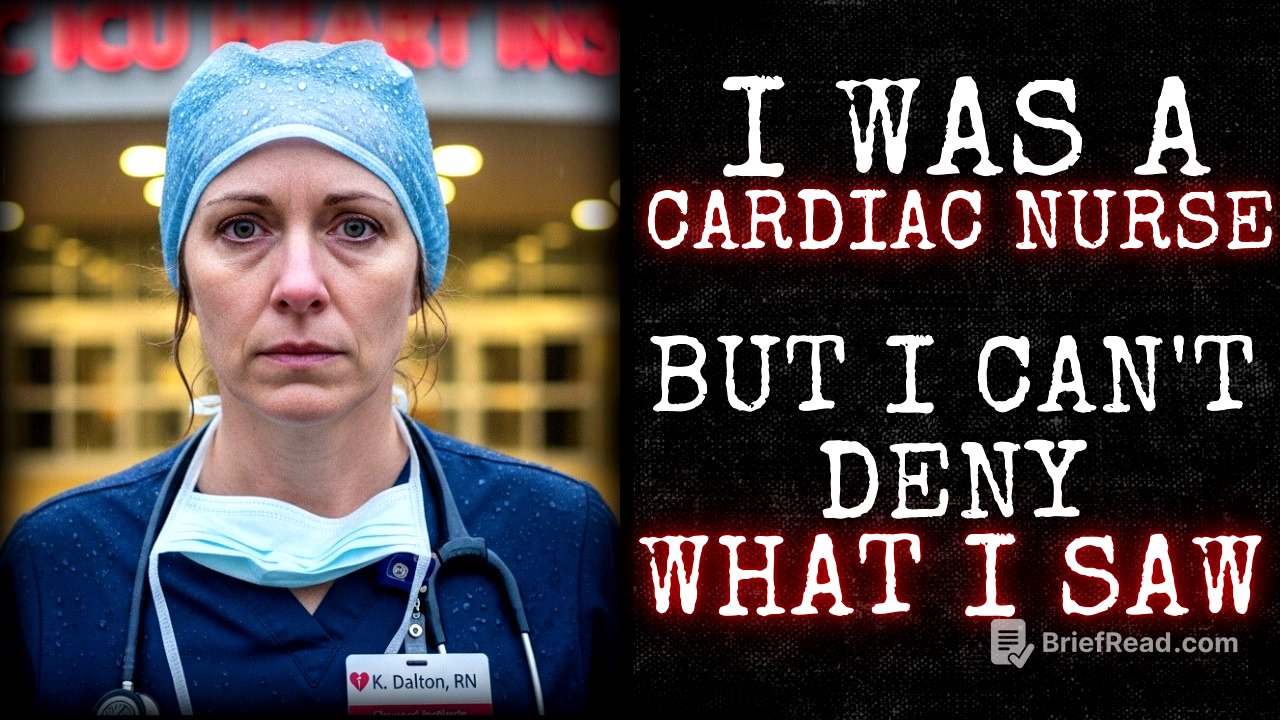
Karen Dalton, a cardiac ICU nurse, recounts a life-altering experience that challenged her understanding of death. On October 15, 2023, after terminating resuscitation efforts on a patient named Arthur Kellerman, he inexplicably returned to life 12 minutes later. This incident forces a reevaluation of what it means to be truly alive or dead, raising profound questions about consciousness and medical protocols.
- Karen Dalton, a cardiac ICU nurse with 16 years of experience, recounts a challenging incident on October 15, 2023.
- After declaring Arthur Kellerman dead, he inexplicably returned to life after 12 minutes, raising questions about consciousness and the definitions of death.
Understanding Death [0:00]
Karen Dalton reflects on the standard teachings in cardiac nursing, emphasizing that recognizing death is generally straightforward with fixed pupils, no pulse, and no electrical activity. However, on a particular morning in October 2023, her comprehension of death was profoundly challenged. After 16 years of nursing, she faces an unexplainable event, which marks the beginning of a crisis in her understanding of life and death.
Patient Profile: Arthur Kellerman [1:00]
Arthur Kellerman, a 67-year-old retired mechanical engineer, was admitted to the cardiac ICU for a routine aneurysm repair. His health was generally excellent, with no significant medical history. His surgery went smoothly, and he was set to be discharged shortly after appearing to have a textbook recovery. Dalton had built a rapport with Arthur as he shared stories and reflected positively on the nursing care he received, underscoring the normalcy expected in his case.
Emerging Complications [2:00]
On the evening of October 14, Dalton noticed irregular heart rhythms during her midnight rounds. While Arthur reported mild chest discomfort, lab results suggested slight electrolyte imbalances. The medical team, including Dr. Sinclair, decided on potassium and magnesium supplementation, which initially seemed to stabilize Arthur's condition.
Critical turn of Events [5:00]
At 3:45 a.m. on October 15, Arthur’s condition deteriorated rapidly into ventricular tachycardia, a severe heart rhythm issue. Despite immediate response protocols and attempts to restore normal rhythm through cardioversion, Arthur’s health worsened, leading to a code blue situation. After prolonged resuscitation efforts failed, he was declared dead at 6:15 a.m.
The Impossible Resuscitation [8:00]
Just 12 minutes after he was pronounced dead, Dalton heard the unmistakable sound of a cardiac monitor displaying a normal heart rhythm. Rushing back to Arthur's room, she discovered he was breathing, had a pulse, and was alert. This situation defied every medical principle she’d learned, challenging her comprehension of life and death itself.
The Aftermath: Medical Evaluations [9:00]
Following Arthur's miraculous return, medical professionals, including the director of cardiology and other specialists, scrutinized his case. Remarkably, all tests returned normal results, even showing improvements from his pre-arrest health. Arthur had no cardiac damage, and his recovery was so complete that it defied explanation.
Arthur's Experience [11:00]
Arthur recounted his experience during the time he was clinically dead, describing a sensation of floating above his own body, observing the resuscitation efforts. He referred to a compelling light and the voice of his wife calling him back, which was pivotal in his return to consciousness. This detailed account raised profound questions about consciousness during clinical death.
Reflection and Changes in Perspective [16:00]
The extraordinary case of Arthur prompted Dalton to re-evaluate her nursing practice and beliefs about the finality of death. She became more cautious about declaring patients dead, contemplating the possible awareness of consciousness during cardiac arrest. This emotional and philosophical upheaval compelled her to leave her position in the cardiac ICU and transition to outpatient cardiology, seeking a more stable environment without end-of-life dilemmas.
Legacy of the Case [18:00]
Arthur Kellerman's case remains a significant anomaly within the medical community, categorized under Lazarus syndrome. The implications of awareness during clinical death continue to spark discourse around consciousness, ethical treatment, and the boundaries of life and death. Karen Dalton reflects on the lessons learned, emphasizing both the profound mysteries of medical science and the emotional challenges faced in patient care.