TLDR;
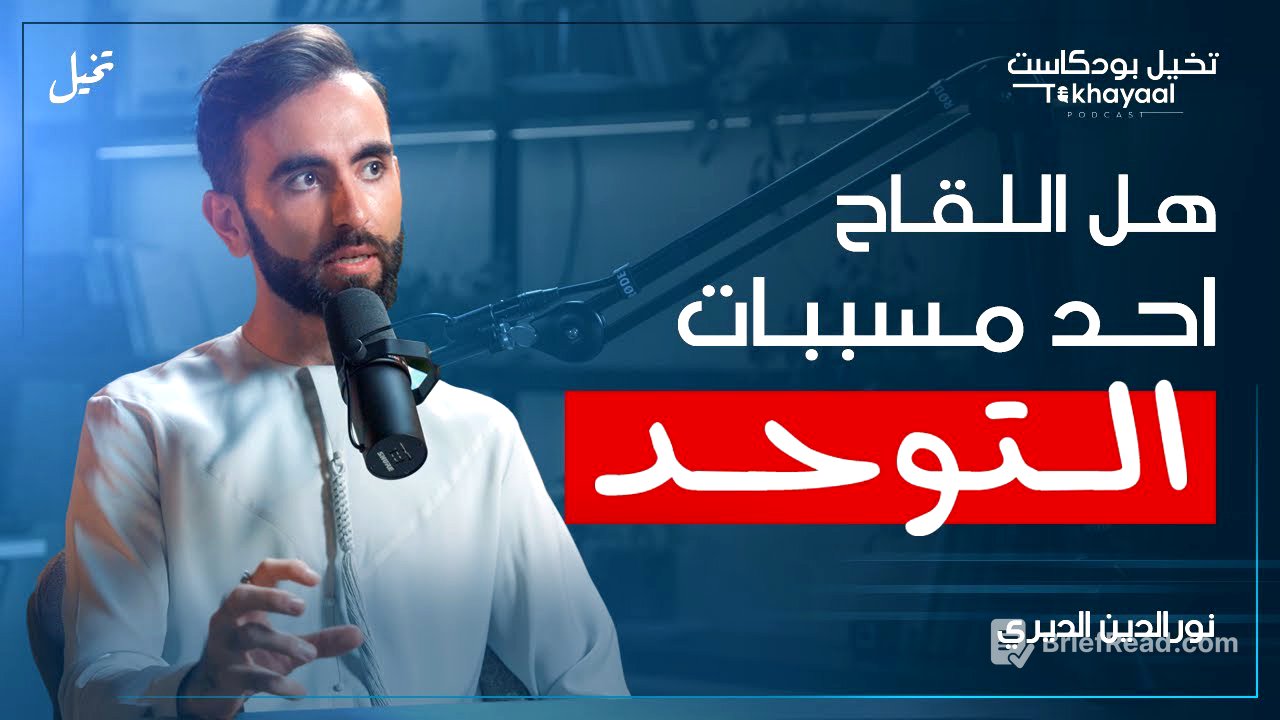
This podcast episode features Dr. Noureddin Aldairi, a specialist in mental health, particularly in children, discussing autism. The conversation covers the increase in developmental disorders post-COVID-19, the nature of autism, the role of parents and society in supporting individuals with autism, and the impact of conflicts on those affected. It also addresses early assessment, the spectrum of autism, and debunks conspiracy theories related to vaccines.
- Increase in developmental disorders post-COVID-19
- The role of parents and society in supporting individuals with autism
- Debunks conspiracy theories related to vaccines
مقدمة [0:00]
The host introduces Dr. Noureddin Aldairi, whose doctoral specialization is in the biology of autism and developmental disorders. Dr. Aldairi aims to identify the causes of these disorders and find solutions. The host notes a perceived increase in developmental disorders, especially after the COVID-19 pandemic, with many families experiencing delays in speech, attention deficits, and autism-related issues in their children. Dr. Aldairi confirms this observation, noting a significant jump in cases since 2020. He suggests that while some attribute this to increased time spent at home, the issue is more complex, involving actual physical and health changes, including potential alterations in eggs and sperm.
ما هو التوحد؟ [5:24]
Dr. Aldairi explains that autism is a behavioral and social disorder affecting how individuals communicate with the world, not their intellectual or cognitive abilities. It impacts visual, auditory, and verbal communication, potentially causing speech delays. Individuals with autism are often fully aware, and their intellectual capabilities are not diminished. He distinguishes true autism from conditions with similar symptoms, cautioning against misdiagnosis and inappropriate treatments. Some individuals with autism may even be highly intelligent.
دور الأهل في التعامل مع حالات التوحد [9:45]
Dr. Aldairi emphasizes that hearing a child has autism can feel like losing a loved one for parents, as it changes their expectations and dreams for their child's future. He stresses that this diagnosis is not the end and that dreams can still be realized. Parental support is crucial, serving as the foundation for a child's progress. While societal acceptance and understanding are beneficial, the family's role is fundamental in helping a child with autism thrive.
أقسام التوحد [14:34]
Dr. Aldairi divides autism into three types. The first is true autism, a purely genetic condition involving mutations in 17 genes, directly causing communication difficulties. The second is false autism, where symptoms resemble autism but stem from physiological issues like hearing, digestive, or neurological problems. Addressing these underlying issues can alleviate the symptoms. The third type is acquired autism, resulting from untreated false autism, where developmental delays become ingrained due to a lack of early intervention.
تأثير الحروب والصراعات على حالات التوحد [29:58]
Dr. Aldairi discusses the impact of conflicts on individuals with autism, who are among the most vulnerable in such situations. Children with autism struggle to cope with the instability and displacement caused by war. Interruption of therapies and medications exacerbates their difficulties, potentially leading to withdrawal symptoms and behavioral issues. He highlights the need for specialized support for children with developmental disorders in conflict zones, as existing aid efforts often overlook their specific needs.
التقييم المبكر لحالات التوحد [33:34]
Dr. Aldairi emphasizes the importance of genetic testing before marriage to assess the risk of transmitting autism-related genes. He explains that while genetic factors can be identified, spontaneous mutations during fetal development can also cause autism. During pregnancy, tests like the region health analysis can detect genetic and non-genetic disorders. He shares a story about a family who discovered their second child also had a genetic issue linked to autism but were able to manage it effectively through early intervention.
إضطرابات أطياف التوحد ودرجاتها [42:08]
Dr. Aldairi confirms that autism exists on a spectrum, ranging from mild to severe. Some individuals may have autism without realizing it, while others exhibit clear and pronounced symptoms. The most challenging cases involve autism combined with intellectual disabilities, which can hinder learning and limit the benefits of therapy. He notes that individuals with autism can lead fulfilling lives, attend school, and even achieve great success.
اللقاحات ونظريات المؤامرة [45:36]
Dr. Aldairi addresses concerns about vaccines causing autism, clarifying that vaccines do not cause autism. He explains that while some individuals with immune system issues may experience adverse reactions to vaccines, this does not mean vaccines cause autism. He uses the example of the COVID-19 vaccine, where varying reactions were due to individual immune responses. He stresses the importance of vaccinations to prevent diseases and advises parents to assess their child's immune system if they have concerns. He also debunks the idea that heavy metals in vaccines cause autism, noting that heavy metals are present in many everyday items.