TLDR;
This video explains how hormones, particularly those produced by the thyroid, regulate metabolism and overall bodily function. It covers the importance of balance within the body, how cells communicate through hormones, and what happens when the thyroid malfunctions, leading to hyperthyroidism (overactive thyroid) and hypothyroidism (underactive thyroid). The video also discusses the causes, symptoms, and treatments for these conditions, emphasizing the role of the endocrine system in maintaining health.
- Hormones are essential for cell communication and bodily functions.
- The thyroid gland regulates metabolism through the hormones T3 and T4.
- Imbalances in thyroid hormone production lead to hyperthyroidism or hypothyroidism.
Introducción [0:00]
The video introduces the concept of the body as a complex company with different departments (systems) that need to communicate effectively to function. Hormones are presented as the messengers that facilitate this communication between cells, ensuring synchronized actions. The video focuses on the thyroid gland and the consequences of its malfunction, specifically hyperthyroidism and hypothyroidism, which disrupt the body's metabolic balance.
Las hormonas [3:53]
The video explains that hormones are molecules that carry messages between cells, traveling through the bloodstream to reach their target cells. Hormones act only on cells with specific receptors for them, inducing a response upon binding. Hormones are involved in various bodily functions, including metabolism, growth, behavior, and reproduction. These hormones are secreted by specialized cells in organs like the thyroid, brain, ovaries, testicles, and pancreas, which together form the endocrine system.
La glándula tiroides [5:20]
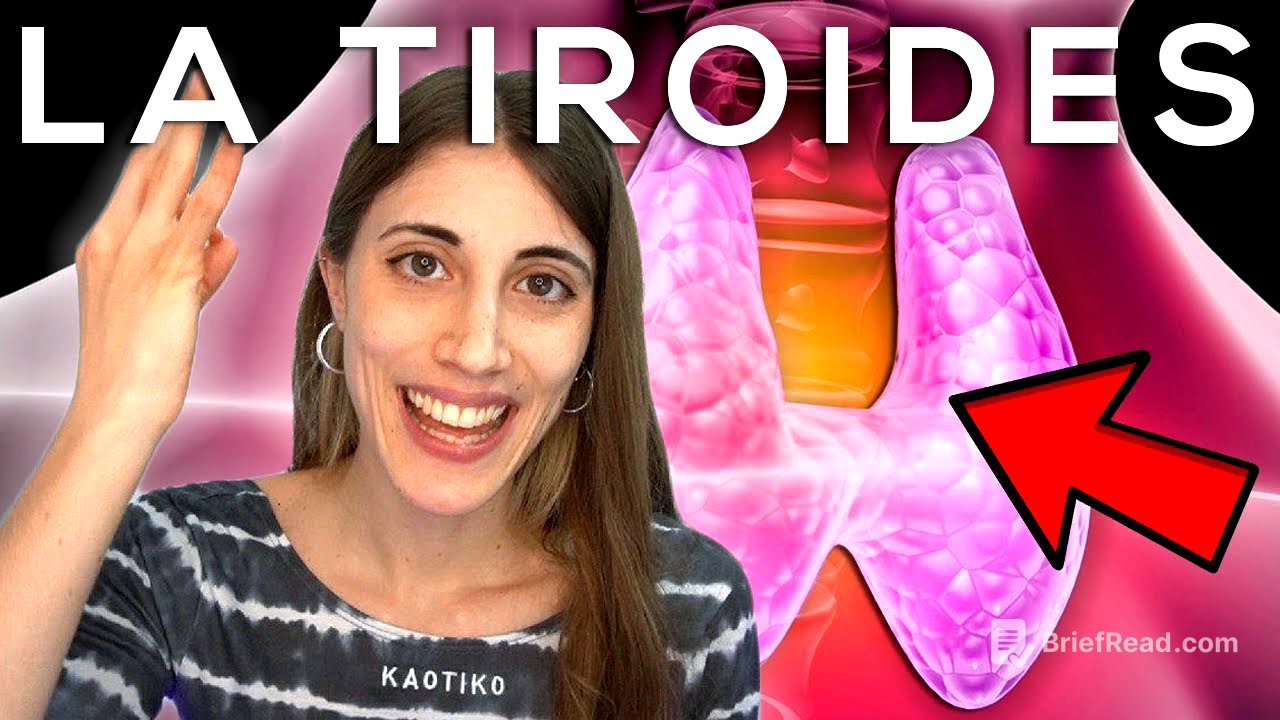
The thyroid is a butterfly-shaped gland in the neck that secretes hormones, thyroxine (T4) and triiodothyronine (T3), which regulate metabolism. Iodine, found in seawater and marine organisms, is essential for building these hormones. Iodized salt is a common source of iodine to prevent deficiencies. These hormones increase metabolism by accelerating chemical reactions in cells, leading to increased oxygen consumption, glucose intake, energy use, and cell growth. This results in a higher heart rate, respiratory rate, body temperature, and accelerated digestion.
¿Qué es el hipertiroidismo? [7:49]
Hyperthyroidism occurs when the thyroid produces too much hormone. This can be caused by an enlarged thyroid gland due to benign nodules or, most commonly, Graves' disease, an autoimmune disorder. In Graves' disease, the immune system produces antibodies that mimic thyroid-stimulating hormone (TSH), stimulating the thyroid to overproduce hormones. This leads to symptoms such as nervousness, anxiety, trembling hands, increased sweating, heat intolerance, weight loss, diarrhea, muscle weakness, fatigue, and insomnia. Graves' disease can also cause Graves' ophthalmopathy, characterized by inflammation and swelling around the eyes. Treatments for hyperthyroidism include antithyroid drugs, radioactive iodine therapy, and surgery to remove part of the thyroid gland.
¿Qué es el hipotiroidismo? [10:27]
Hypothyroidism occurs when the thyroid does not produce enough hormones. This can result from iodine deficiency, enzyme deficiencies, surgical removal of the thyroid, or radioactive iodine treatment. The most common cause is Hashimoto's disease, an autoimmune disorder where the immune system attacks and destroys the thyroid gland. Hypothyroidism leads to symptoms such as extreme fatigue, muscle slowness, mental slowness, depression, memory problems, weight gain, and a lower heart rate. Hashimoto's disease is more common in women and develops slowly, often making it difficult to detect early on. Treatment involves hormone replacement therapy to restore balance.
Conclusión y despedida [12:13]
The video concludes by reiterating the importance of balance and synchronized function within the body, emphasizing the role of the endocrine system and the thyroid gland in maintaining this balance. It summarizes the discussed topics, including the endocrine system, hormones, and the effects of thyroid malfunctions leading to hyperthyroidism and hypothyroidism. The presenter encourages viewers to support the channel through Patreon and mentions live Twitch streams for further discussions on scientific topics.