
TLDR;
The sermon connects Jesus’ teaching about shaking the dust from one’s feet with the need to resist mistreatment and set boundaries. Love does not excuse abuse: respect is essential, and people should protect their dignity while continuing to treat others with respect. The sermon also identifies three habits that can make love turn negative: focusing on problems, keeping love closed through control, and making love one-sided instead of reciprocal.
- Speak up when someone mistreats you, and do not confuse forgiveness or love with permission to abuse.
- Invest in people who value and respect you, while remembering that harmful behavior can be unlearned.
- Keep love positive by being present, giving loved ones freedom, and practicing mutual generosity.
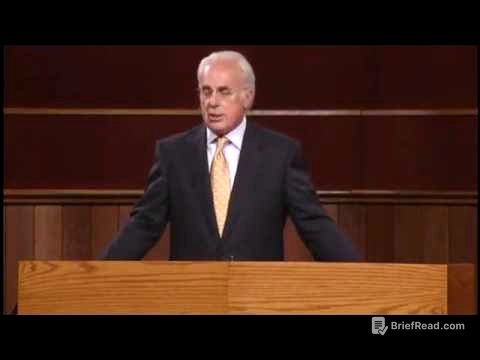
Stand Up for Yourself and Set Boundaries [0:00]
When a stranger insults or humiliates someone, the natural response is often to defend oneself, avoid the offender, or report the behavior. Yet when the person causing harm is a friend, partner, or someone loved, people may tolerate repeated mistreatment and offer many second chances. The sermon asks why people defend themselves less readily against those with whom they have a close relationship.
Jesus’ instruction to his disciples provides a model for responding: if people do not receive or listen to them, the disciples should leave and shake the dust from their feet. This gesture signifies rejection of the bad treatment rather than quietly accepting it. Love is not a license to mistreat someone, because respect is a basic sign of love; a person who genuinely cares should respect, protect, and avoid hurting the other.
The sermon urges listeners not to devote their time and attention to people who devalue them. Instead, they should value those who appreciate them. Disrespect and abuse can damage happiness, identity, heart, and soul, and healing may take a long time. Each person must learn to defend themselves and teach others not to disrespect them, remembering that every person is valuable and loved by God. At the same time, harmful behavior can be unlearned: people who have learned to disrespect others can be taught to change, just as Jesus came to forgive sin and guide people away from wrongdoing. If they continue to behave badly despite being challenged, listeners should still treat others with respect and trust that God sees their goodness.
Three Habits That Make Love Turn Negative [9:32]
Relationships may begin happily but become strained over time, as small disagreements and everyday pressures accumulate. The sermon names three habits—the “three Ns”—that can make love negative: dwelling on problems, keeping love closed, and making love one-sided. Removing these habits helps restore joy, peace, and positivity in relationships.
First, constantly focusing on problems can crowd out attention to a loved one. During the honeymoon stage, couples often focus on enjoying each other and sharing time together; later, bills, debts, in-laws, past arguments, and old hurts may take over. The sermon encourages people to be present, using their whole mind, heart, and soul in the current moment rather than being mentally trapped in the past or worried about a future that has not arrived. Like washing one plate that feels heavier when one imagines an entire pile of dishes, carrying anticipated burdens can make the present feel harder than it is.
Second, love becomes negative when it is closed and controlling. The speaker recalls seeing padlocks attached to bridges in Paris as symbols of lovers binding their relationship, then recounts that the Pont des Arts bridge became overloaded with locks and was damaged. The sermon uses this image to argue that true love should remain open and free: excessive control can make people feel trapped, while giving a loved one space allows the relationship to grow. Trust that a partner will choose to return freely, rather than monitoring every call, conversation, or social-media connection.
Third, love becomes unhealthy when giving flows in only one direction. People may know how to receive but not how to give, and even a deeply loving person can become tired and depleted if they give constantly without receiving care in return. A loving relationship should involve mutual giving and receiving; when someone cannot repay kindness, they should at least avoid hurting the person who loves them. The sermon also connects generosity toward others—especially people in need—with faith: giving to the poor is described in Scripture as lending to the Lord, and those who want to be blessed should begin by blessing others. It closes by asking listeners to examine whether they dwell on problems, restrict loved ones, or act selfishly, and to pray that these three habits will be removed so love can become joyful and peaceful. Lingering
TLDR;
The sermon connects Jesus’ teaching about shaking the dust from one’s feet with the importance of resisting mistreatment and setting boundaries. Love does not excuse abuse: respect is essential, and people should protect their dignity while continuing to treat others with respect. The sermon also identifies three habits that can make love turn negative: focusing on problems, controlling loved ones, and making love one-sided instead of reciprocal.
- Speak up when someone mistreats you; do not confuse love or forgiveness with permission to abuse.
- Value people who respect and appreciate you, while remembering that harmful behavior can be unlearned.
- Keep love positive by being present, giving loved ones freedom, and practicing mutual generosity.
Stand Up for Yourself and Set Boundaries [0:00]
When a stranger insults or humiliates someone, the natural response is often to defend oneself, avoid the offender, or report the behavior. Yet when the person causing harm is a friend, partner, or someone loved, people may tolerate repeated mistreatment and offer many second chances. The sermon asks why people are often less ready to defend themselves against someone with whom they have a close relationship.
Jesus’ instruction to his disciples offers a model for responding: if people do not receive or listen to them, the disciples should leave and shake the dust from their feet. This gesture signifies rejecting bad treatment rather than quietly accepting it. Love is not a license to mistreat someone, because respect is a basic sign of love; someone who genuinely cares should respect and protect the other person.
The sermon urges listeners not to invest their time and attention in people who devalue them, but to appreciate those who value them. Disrespect and abuse can damage a person’s happiness, identity, heart, and soul, and healing may take a long time. Each person must learn to defend themselves and teach others not to disrespect them, remembering that every person is valuable and loved by God. Harmful behavior can also be unlearned: people who have learned to disrespect others can be taught to change, just as Jesus came to forgive sin and guide people away from wrongdoing. If they continue to behave badly despite being challenged, listeners should still treat others with respect and trust that God sees their goodness.
Three Habits That Make Love Turn Negative [9:32]
Relationships may begin happily but become strained over time as small disagreements and everyday pressures accumulate. The sermon identifies three habits—the “three Ns”—that can make love negative: dwelling on problems, keeping love closed through control, and making love one-sided. Removing these habits can help restore joy, peace, and positivity in relationships.
First, constantly focusing on problems can push a loved one out of view. During the honeymoon stage, couples often focus on enjoying each other and spending time together; later, bills, debts, in-laws, past arguments, and old hurts may take over. The sermon encourages people to be present, using their whole mind, heart, and soul in the current moment rather than getting trapped in the past or worrying about a future that has not arrived. Like washing one plate that feels heavier when someone imagines a whole pile of dishes, anticipated burdens can make the present feel harder than it is.
Second, love becomes negative when it is closed and controlling. The speaker recalls seeing padlocks attached to bridges in Paris as symbols of lovers binding their relationship, then recounts that the Pont des Arts bridge became overloaded with locks and was damaged. The sermon uses this image to argue that true love should remain open and free: excessive control can make people feel trapped, while giving a loved one space allows the relationship to grow. Rather than monitoring every call, conversation, or social-media connection, people should offer trust and allow their loved ones freedom.
Third, love becomes unhealthy when giving flows in only one direction. Even a deeply loving person can become tired and depleted if they give constantly without receiving care in return. A loving relationship should involve mutual giving and receiving; when someone cannot repay kindness, they should at least avoid hurting the person who loves them. The sermon also connects generosity toward others—especially people in need—with faith: Scripture says that giving to the poor is like lending to the Lord. Those who want to be blessed should begin by blessing others. The sermon closes by asking listeners to consider whether they dwell on problems, restrict loved ones, or act selfishly, and to pray that these three habits will be removed so love can become joyful and peaceful.