TLDR;
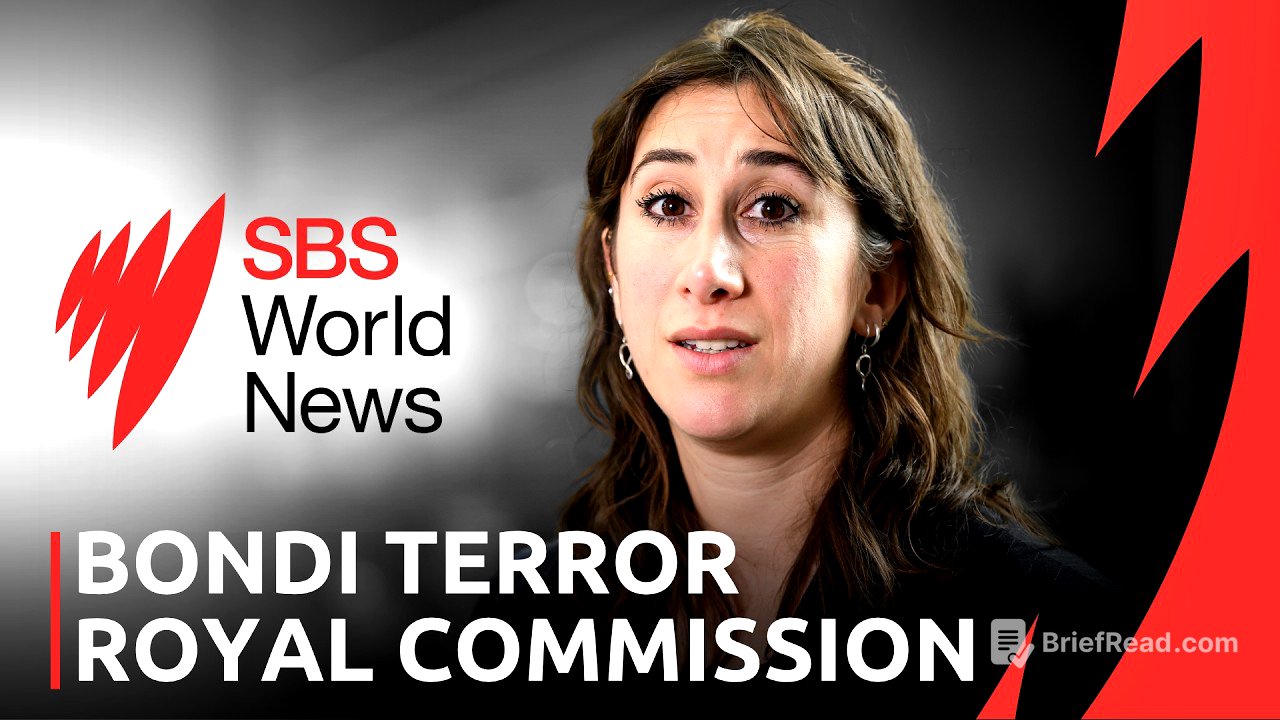
The video discusses the ongoing situation in Israel and the experiences of Sarah Schwartz, a Jewish advocate for Palestinian rights, who faces significant online harassment. It explores the broader issues of anti-Semitism and the challenges in online safety and reporting mechanisms. Overall, the video highlights the need for better coordination and communication among agencies to combat online threats.
- Sarah Schwartz shares her experiences facing online abuse related to her advocacy for Palestinian rights.
- The video addresses the responses of law enforcement and social media companies to online anti-Semitism.
Sarah Schwartz’s Experience with Online Abuse [0:00]
Sarah Schwartz, a vocal advocate for Palestinian rights, discusses the harassment she has faced online, including abusive messages from neo-Nazis and fellow Jews. She recounts being labeled as a self-hating traitor, often depicted in memes that contain derogatory imagery, including references to the Holocaust. Schwartz emphasizes her commitment to Palestine solidarity work is driven by the lessons of the Holocaust, reinforcing that the idea of "never again" applies to everyone. The abuse she suffered has raised concerns for her safety, leading her to take time off work.
Law Enforcement's Response to Online Threats [1:24]
In this segment, senior police officers appear before a Commission to discuss how agencies collaborate in addressing anti-Semitic threats online. They acknowledge the need for improved coordination in reporting mechanisms, highlighting difficulties the public faces in following up on their reports. There is a consensus that a clearer communication strategy is essential to ensure that concerns about online abuse are addressed effectively.
Testimonies from Social Media Platforms [2:00]
The eSafety Commissioner also provides insights, stating that social media companies have been slow to respond to calls for better handling of online anti-Semitism. An example is provided where discussions with the platform X delayed the removal of inappropriate content, suggesting a troubling willingness to allow such material under the guise of it being similar to mainstream horror films. The segment mentions that while Meta, Google, LinkedIn, and TikTok have engaged with the investigations, X and Telegram have not responded, indicating a gap in accountability.