TLDR;
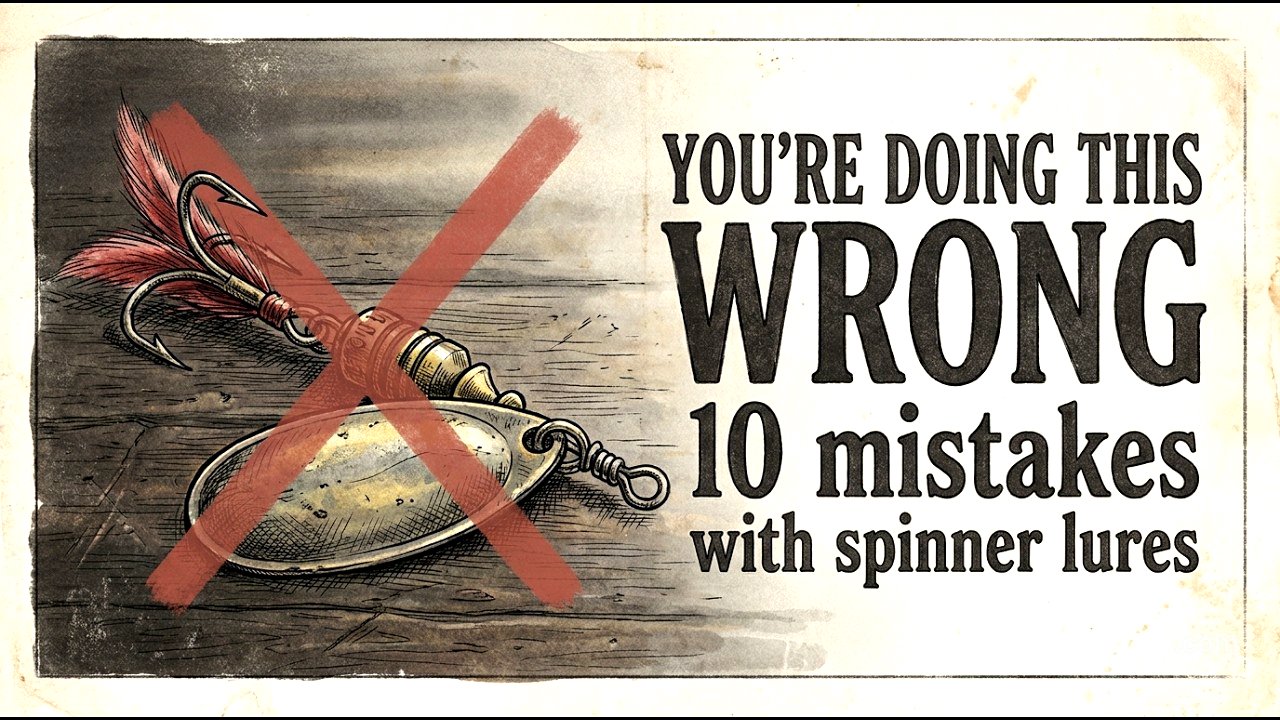
This video discusses the effective use of inline spinners for fishing, focusing on common mistakes that can hinder their performance. It emphasizes understanding the spinner's mechanics and how to properly retrieve it for optimal results.
- Inline spinners were invented in the 19th century and remain effective today.
- Key mistakes include reeling too fast, uneven retrieves, and using the wrong tackle setup.
Understanding the Spinner's Effectiveness [0:00]
The inline spinner is highly effective for catching predatory fish like pike, perch, and walleye due to its ability to mimic a weak, wounded baitfish. It relies on the lateral line organ of predatory fish, which detects vibrations and movements in the water. A slow, steady retrieval showcases a spinner's effectiveness, as it attracts fish more than fast-moving or erratic lures.
Common Mistakes When Using a Spinner [4:53]
Mistake number one is reeling in too fast. Many anglers assume that a fast retrieve is better, but this stops the blade from spinning correctly and creates a lure that doesn't resemble a live fish. The proper speed allows for a gentle pulsation, attracting fish.
Mistake number two highlights using jerky movements in the retrieve which can alarm fish. A steady, smooth retrieve is crucial to mimic a consistent target that predators can predict and attack.
Mistake number three involves running the spinner at the wrong depth. Many anglers retrieve spinners higher in the water column, while predators like pike usually strike from near the bottom. Allowing the spinner to sink and then reeling it low is more effective.
Mistake number four discusses using the wrong blade shape. Different shapes provide different vibrations and resistance levels, impacting how effective a spinner is under various conditions.
Mistake number five is using the wrong lure size. Large lures can scare off fish, especially in cold water, while smaller lures may not stand out when fish are active.
Mistake number six is using low-quality lures that don’t spin effectively at slower retrieves, which is critical for success.
Mistake number seven focuses on fishing in areas devoid of fish. It's essential to cast near cover and structures where predators hide, rather than in open water.
Mistake number eight stresses the importance of knowing the right season for spinners. Early summer and fall are optimal times, while winter is not conducive for spinner fishing.
Mistake number nine highlights issues with twisted braided line, which can occur due to poor retrieval techniques. Using a rolling swivel can help prevent this.
Mistake number ten addresses the importance of using a wire leader when targeting pike to avoid losing lures to their sharp teeth.
Advanced Spinner Techniques [20:20]
In advanced techniques, casting upstream helps the spinner work effectively due to the current turning it and allowing slow retrieval. Additionally, incorporating pauses in the retrieve can provoke strikes from hesitant fish.
Using rod lifts alongside the reel can create depth changes that make the spinner less predictable, increasing chances of attracting passive fish.
Lure color should also be considered depending on water clarity; bright colors work better in muddy water, while reflective colors like silver are preferable in clearer conditions.
Finally, a spinner is particularly effective when covering large areas quickly, adapting more to various environmental conditions than other lures. It serves well for finding fish in new areas by allowing for quick, effective scouting.
By combining techniques and adapting to situational variables, anglers can significantly improve their success when fishing with spinners.