TLDR;
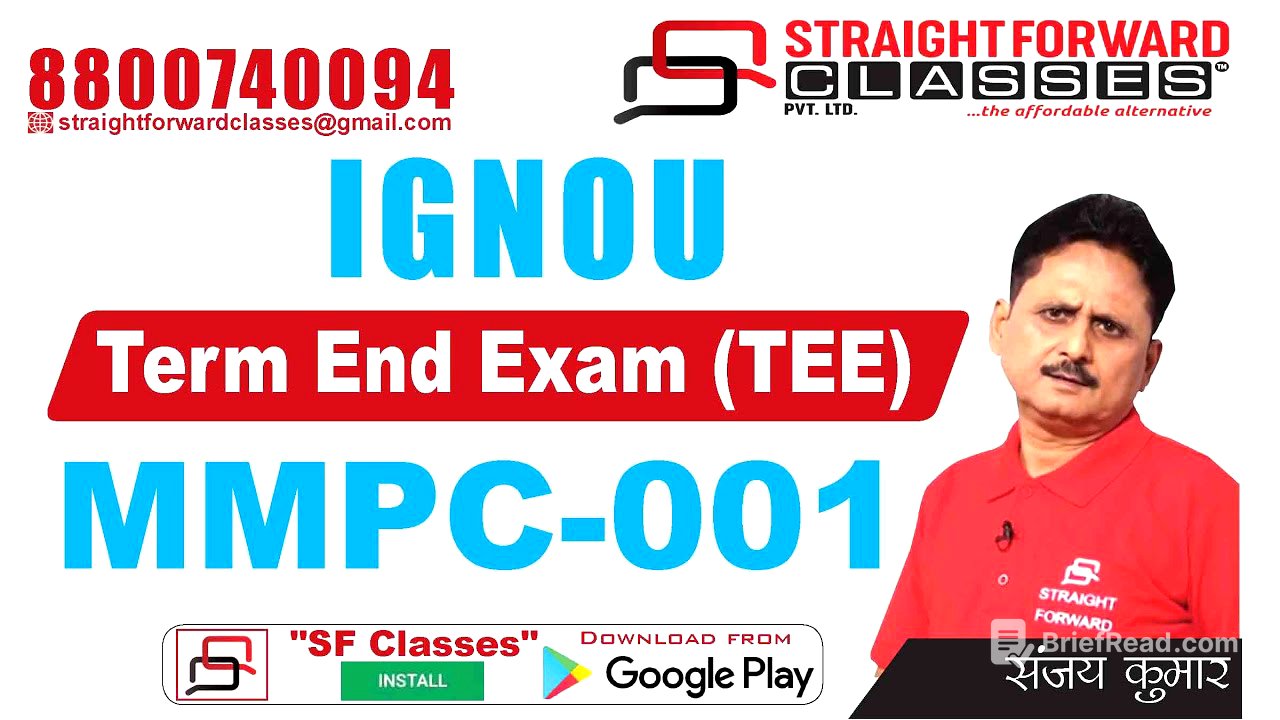
This video introduces management concepts and emphasizes the importance and roles of management within organizations. Key points include:
- Management as an art of getting things done through people.
- Various definitions and the scientific process of management.
- The universal application of management across different organizational types.
Introduction to Management [0:00]
The video begins with an introduction by the speaker SP. It outlines the central theme of management and the types of management topics that will be covered. The importance of understanding management principles in both corporate and organizational settings is emphasized, including the responsibilities of managers.
What is Management? [0:45]
Management is defined as the process of getting things done through others. The speaker explains that while every person has a unique way of working with others, management is viewed more as an art than a science. He elaborates on managing people within organizations and the significance of collaboration among individuals.
Definition and Essence of Management [1:44]
The speaker presents multiple definitions of management, highlighting its essence in terms of organizing groups of individuals to accomplish tasks. Emphasis is placed on the fact that management involves both people and resources, and effective management is crucial for achieving organizational objectives.
Characteristics of Management [3:56]
Management is described as a group activity rather than just the responsibility of one individual. The role of management is universal, applicable in various types of organizations, including schools, hospitals, and non-profit organizations. The necessity of managing both internal and external resources is discussed, along with the continuous nature of management responsibilities.
Principles of Management [7:25]
The speaker discusses key principles of management, such as planning, organizing, staffing, directing, coordinating, and controlling. These principles ensure effective management within an organization and guide managers in fulfilling their responsibilities toward achieving organizational objectives.
Types of Management Functions [11:05]
The various functions of management include planning for the future, organizing team responsibilities, directing team efforts, and controlling results. Each function plays a vital role in ensuring that the organization operates efficiently and achieves its goals, with specific guidelines and strategies provided for managers.
Managerial Skills and Responsibilities [16:20]
Essential managerial skills include technical, human, and conceptual skills. The speaker explains how these skills are necessary for successfully managing teams and achieving objectives. The importance of ethical considerations and effective communication within managerial responsibilities is also noted.
Management Levels and Organizational Structure [18:37]
The video outlines the three levels of management: top-level, middle-level, and lower-level management. Each level has distinct responsibilities and authority, with top management primarily focused on strategic planning and middle management implementing those strategies through lower management teams.
Conclusion [20:40]
The speaker summarizes the key points covered in the lecture, reiterating the responsibilities and roles of managers as well as the importance of effective management in organizations. An invitation to the audience to reach out with questions or for additional resources is made before concluding the session.