TLDR;
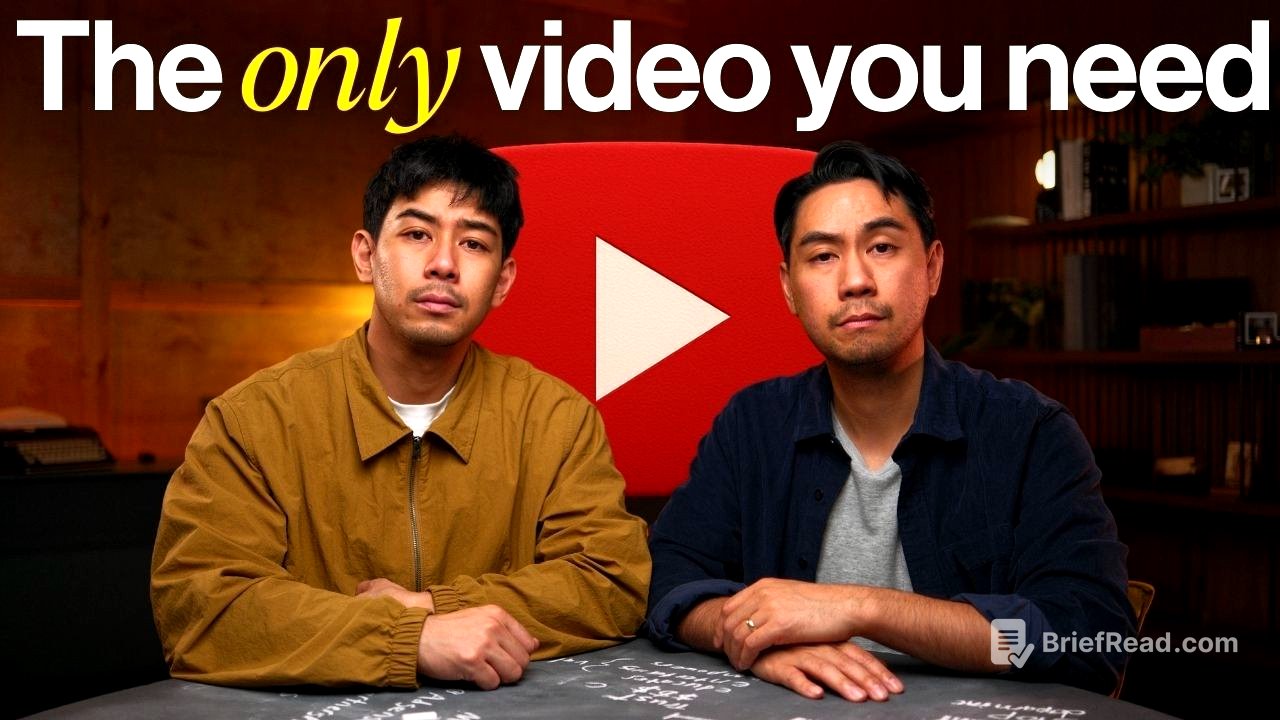
This video provides a comprehensive guide to building a successful and profitable YouTube channel in 2026, focusing on educational content. It covers key aspects such as defining your channel's purpose, identifying your target audience through transformation-based content, developing a consistent content strategy, generating compelling video ideas, and monetizing your channel through various methods.
- Define channel purpose and target audience
- Focus on educational content for high upside potential
- Develop consistent content strategy and generate compelling video ideas
- Monetize through various methods, prioritizing content quality
Intro: Building a YouTube Channel in 2026 [0:00]
The video outlines a roadmap for building a YouTube channel that generates income and potentially replaces a day job. It emphasizes the importance of understanding your motivations for starting a channel, whether it's for fame, views, money, or a side project. The content creators have worked with many creators and analyzed thousands of videos, identifying three types of channels that consistently succeed: entertainment, educational, and empowerment.
Three Types of YouTube Channels [0:54]
The video identifies three main types of YouTube channels that consistently perform well: entertainment, educational, and empowerment. Entertainment channels include gaming, reaction, and skit-based content. Educational channels provide answers and solutions to viewers' questions and problems, spanning various niches like business, finance, and personal development. Empowerment channels focus on relaxation, motivation, and good vibes, such as chill music or study/work with me videos. The speakers favor educational channels for their problem-solving nature and high earning potential, especially with the increasing need for educational content.
Focusing on Educational Channels [2:36]
The speakers highlight the value of educational channels due to their problem-solving nature and potential for high returns. They note that the majority of YouTube content is entertainment, creating a gap and opportunity for educational content. The presenters share their personal experience of using YouTube to share their knowledge and transition from being doctors to full-time content creators. They emphasize that starting a channel based on existing knowledge provides a significant advantage.
Transformation vs. Niche [4:50]
The video shifts from focusing on a niche to defining the transformation you want your viewers to achieve. Instead of asking "What niche should I pick?", ask "What transformation do I want my viewer to have?". Transformation targets a specific audience and implies a meaningful impact on their lives. The speakers illustrate this with their channel, Koi, evolving from a general study channel to helping students achieve better grades through evidence-based learning skills, and now focusing on building self-reliance and making money with YouTube.
The YouTube Algorithm and Transformation [8:09]
Focusing on a transformation helps grow a channel faster because it aligns with what the YouTube algorithm seeks to do: match content to viewers based on their needs and interests. The algorithm now recommends content from channels users don't subscribe to, increasing the importance of specific, transformation-focused content. The speakers emphasize that creating really good content is the key to success on YouTube.
Content Strategy: Formats [10:40]
The video transitions to content strategy, emphasizing the importance of choosing a format that provides the audience with a consistent experience. YouTube rewards channels that offer the same thing repeatedly, making it easier for viewers to understand the channel's transformation. Examples of successful formats include "fixer" channels like Dave Ramsey, where problems are addressed live, and interview formats that leverage unique access to experts. The speakers recommend analyzing the competitor landscape to identify underrepresented formats and remix existing formats to add unique value.
Content Strategy: Consistency [15:26]
The second part of content strategy is posting consistently, which means posting as often as you can sustainably manage. YouTube is an infinite game, and consistency is key to avoiding creator burnout. The speakers recommend focusing on volume, especially for beginners, and committing to at least 100 videos (one per week for two years). They note that most channels take around 80 uploads to see traction, and Mr. Beast advises getting the first 100 uploads out quickly to gain experience.
Generating Video Ideas [18:04]
The video emphasizes that the most important part of making a YouTube video is coming up with the idea. YouTube is more like Netflix than social media, so compelling titles and thumbnails are essential for attracting viewers. The speakers advise mapping out all the topics you want to cover and then packaging that information in a way that is appealing and exciting to the audience.
Finding Outlier Videos [20:55]
The speakers advise against guessing what a good idea is and instead recommend finding outlier videos (videos that perform better than average) on competitor channels. Analyze why these videos worked and borrow ideas to adapt for your own content. They suggest using tools like Vid IQ and View Stats to identify outlier videos and their scores. The speakers caution against completely copying successful videos, as it's better to borrow ideas and give your own unique take.
Making Your Videos [24:57]
The video discusses the essentials for making high-quality videos, recommending a good microphone and a light with a softbox. For educational content, outlining or scripting is important, but the speakers prefer an extemporaneous teaching style for authenticity. They advise using AI for outlining and revising, but always speaking from the heart to build trust with the audience. The speakers also recommend creating templates for editing to streamline the video creation process.
Monetizing Your YouTube Channel [29:55]
The video explains two primary ways to make money on YouTube: selling your own products/services/experiences or selling other people's products through AdSense, brand deals, and affiliate income. Selling your own offerings includes digital and physical products, "done for you" or "done with you" services, and virtual or in-person experiences. Selling other people's stuff involves partnering with brands through AdSense revenue, sponsored videos, or affiliate commissions. The speakers emphasize that all these methods can work, but it's important to choose what best fits your business and audience.
Strategies for Monetization [31:57]
The speakers share their experience with various monetization methods, including products, services, and experiences. They recommend starting with services like one-on-one coaching or consulting to get intimate feedback and grow your business faster. They also discuss the importance of brand deals and affiliate income, noting that brand deals can be particularly lucrative. The speakers caution against diversifying too quickly and advise focusing on one or two methods to build strong systems.
The Importance of Content [40:31]
The video concludes by emphasizing that good content is central to all monetization strategies. Without good content, you won't have attention on your channel, making it impossible to monetize. The speakers encourage viewers to focus on creating strong content and then build monetization strategies on the back end. They highlight the opportunity to make a full-time income doing something you enjoy through YouTube.