TLDR;
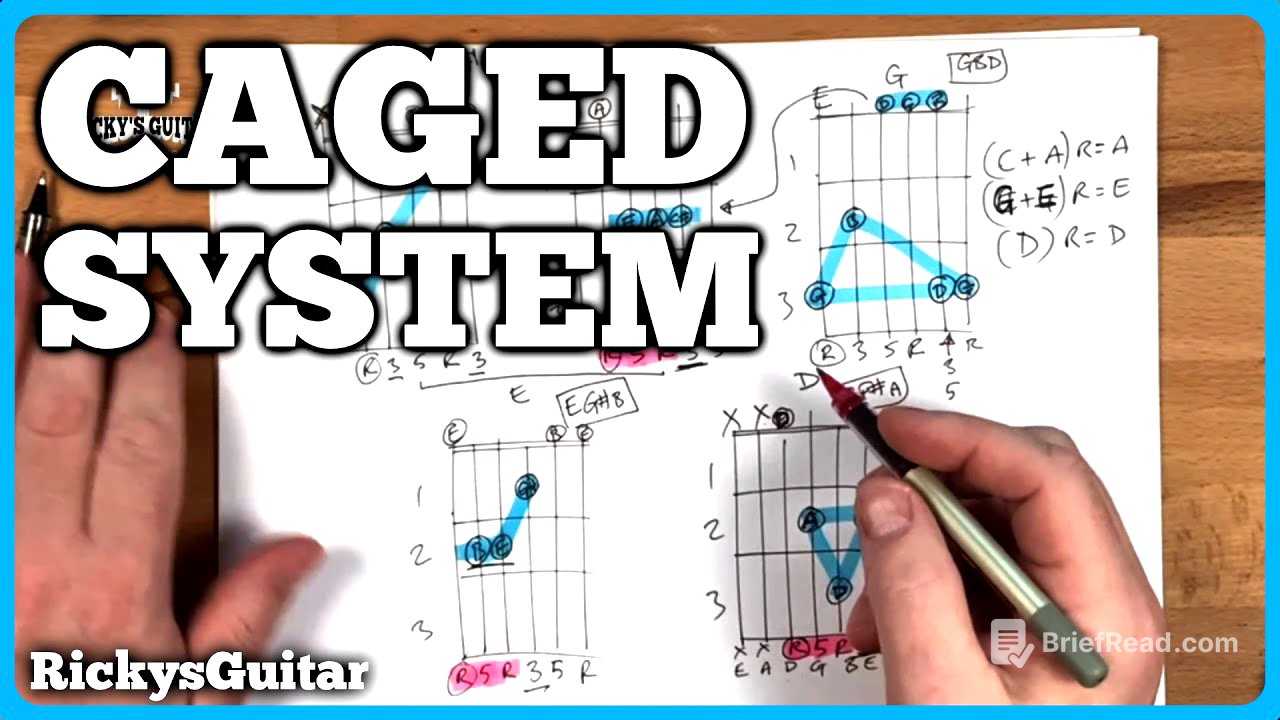
This video by Ricky Comiskey introduces the Cage System, a method for learning guitar that is both efficient and effective. The Cage System relies on five chord shapes and discusses their significance and application. Key takeaways include the importance of understanding different learning styles, the utility of the Cage System in teaching guitar fundamentals, and practical explanations of how to visualize and employ the five master shapes on the guitar.
- The Cage System simplifies chord progression and learning guitar theory.
- It emphasizes different learning modalities: visual, auditory, kinesthetic, and written.
- The five master chord shapes (C, A, G, E, D) are essential for navigating the fretboard.
Introduction to the Cage System [0:03]
The video opens with an explanation of the Cage System, expressing its controversial perception in the guitar community while praising its usefulness. The presenter emphasizes that many who dismiss it may only have a superficial understanding of its benefits. He believes learning this system can greatly enhance a player's abilities, as it caters to various learning styles, including visual, kinesthetic, auditory, and written methods.
Understanding the Five Master Shapes [3:42]
The Cage System is based on five master chord shapes: C, A, G, E, and D. The video details the significance of these shapes and their frequencies across different keys. The presenter explains that C and G shapes are unique because they contain double thirds, making modifications more complex. He then illustrates how to visualize these shapes using diagrams and practical examples while connecting them back to the basics of fretboard navigation.
C Shape and Its Application [5:47]
Focusing specifically on the C shape, he identifies the root, third, and fifth within the chord, explaining their roles in forming the chord shape. He uses colors and diagrams to help illustrate how to visualize the shape's structure while discussing what makes the C shape distinct and useful in a variety of musical contexts.
Exploring the A and G Shapes [9:27]
The presenter moves on to the A shape and G shape chords, explaining their structure and how they can be modified. He emphasizes the flexibility of these shapes and how they can create different sounds and voicings based on their context. Tips are provided on how to play these chords more effectively, including techniques for using the thumb and fingers for optimal sound and comfort.
Using E and D Shapes [13:53]
Now covering the E and D shapes, the video illustrates their construction and the layers of complexity they can add to playing. Special attention is given to the root positioning and its importance in different keys. Practical examples focus on how these shapes relate to power chords and how to integrate them into common chord progressions.
Connecting Shapes and Power Chords [19:20]
The presenter discusses how to seamlessly connect these five shapes across the neck and incorporates power chords into the conversation. He highlights the unique characteristics of each shape in relation to how they might be used together within a piece of music. Specific examples are given of how these shapes can interact, emphasizing the power of understanding their relationship to create richer musical textures.
Caged Octaves and Application [23:16]
The concept of Caged Octaves emerges, where he shows how to apply the previously discussed shapes to find octaves on the fretboard. The process of shifting shapes and transposing them across the guitar neck is demonstrated, showing effectively how players can use their knowledge of these shapes to enhance their playing range and versatility.
Final Thoughts and Learning Tips [31:30]
The episode concludes with general advice for beginner and intermediate guitarists. The presenter encourages players to familiarize themselves with the Cage System progressively, focusing on simple recognizable songs to build confidence and enjoyment in their learning process. He emphasizes that the goal is to foster a love for playing guitar without overwhelming oneself with theory at the outset. The need for practical application through songs is highlighted as essential for motivation and growth.