TLDR;
Paulius used AI tools like Bolt, Cursor, and Framer to independently create and launch a SaaS product that earned him $30,000 in about 30 days. He emphasizes the importance of understanding customer needs, leveraging AI for rapid MVP development, and using social media for marketing. His success underscores the accessibility of creating and monetizing apps with AI, even without extensive coding knowledge.
- AI tools enable rapid MVP development and monetization.
- Understanding customer needs is crucial for product success.
- Building in public and leveraging social media can drive growth.
Who is Paulius [0:58]
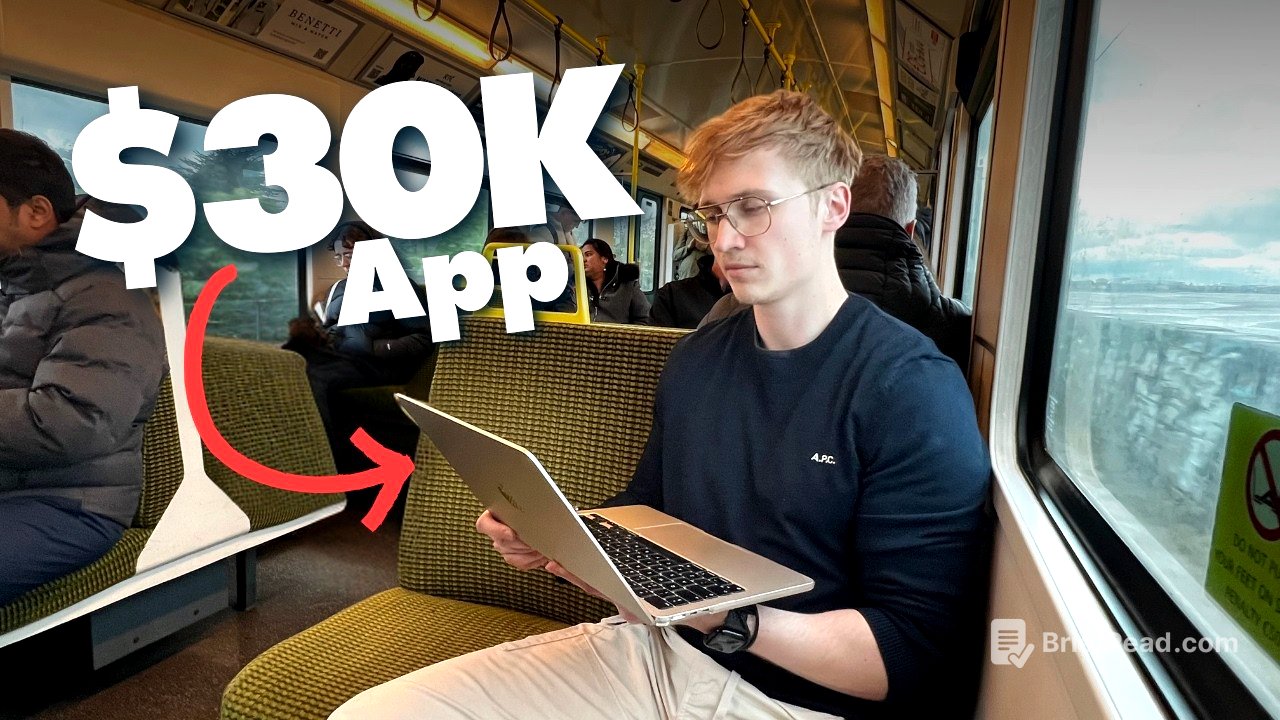
Paulius is an entrepreneur who used AI to create an app that connects startups with influencers, generating $30,000 in revenue. Launched seven months prior, the app has over 1,000 users, with more than 350 paying customers. He developed the app independently using tools like Bolt and Cursor for coding, and Framer for design, all while commuting to work.
Paulius' backstory [1:24]
Paulius' entrepreneurial journey began at 18 when he needed to fund his college education. He initially worked as a door-to-door salesman but transitioned to freelancing in web design, copywriting, and sales funnels. While studying computer game development in university, he realized his limitations in coding. However, the advent of AI has removed these barriers, allowing him to focus on his strengths while AI handles the coding aspects.
How Paulius found an idea for his app [2:24]
Paulius struggled to find success with various business models, which led him to focus on serving creators. Frustrated with the lack of progress, he conceived the idea of creating a database for creators. He decided to develop it into a SaaS product using AI, driven by his own need for such a tool and the belief that others would find it valuable.
Launch experience [3:06]
Leading up to the launch, Paulius invested significant effort in building the database without knowing if it would pay off. On the launch day, he was having dinner with his girlfriend when he noticed a series of sales notifications on his phone. The app generated around 20 to 30 sales that evening, which motivated him to continue developing the product, as it validated its potential.
How to build MVPs with AI [3:43]
To build an MVP with AI, Paulius recommends starting with Perplexity to get detailed, step-by-step instructions. Then, use Bolt to implement the steps, feeding any errors back to the AI for correction. Once a functional MVP is achieved, download the project and refine it using Cursor, connecting it to Superbase for backend support and Clerk for authentication.
Figure out what your customers want [5:20]
Understanding customer needs is crucial, and tools like Semrush can help identify what people are searching for and where there are gaps in the market. By researching keywords and topics related to your idea, you can find real problems that people are actively seeking solutions for. Semrush offers features like topic research tools to explore various niches and identify high-intent keywords that competitors may be overlooking.
How to design with AI [7:19]
Designing visually appealing websites can be straightforward with AI. Paulius suggests starting with a free template in Framer, focusing on selecting a nice font and button, and keeping the overall design simple and clear. The key is to quickly edit the template and publish it, rather than getting bogged down in complex design details.
What to focus on in a landing page [7:55]
When creating a landing page, Paulius emphasizes focusing on the section above the fold, also known as the hero section. This is the first thing visitors see, so the messaging needs to be clear and immediately understandable. Highlight how the product saves time and solves a key problem in the headline and subheadline, followed by a concise call to action.
How to design UI/UX using AI [8:29]
For UI/UX design, Paulius uses Cursor to build the core functionality and then iteratively adds features, ensuring the design remains clean, functional, and modern. He recommends using Shad CN components, which are free. For specific elements like onboarding processes, he suggests creating a mockup in Figma, pasting it into Cursor, and describing the desired behavior to generate a polished page.
Marketing strategy [9:14]
Twitter has been effective for Paulius' marketing strategy. He shared a tweet that gained significant traction by linking his product to current trends and discussions in the industry. The post featured a simple visual demonstration that resonated with people and addressed a key debate about the capabilities of AI coding.
Building in public [10:06]
Paulius' strategy involves frequent posting rather than infrequent, large releases. He connects his content to ongoing discussions and draws inspiration from others in the field. While many competitors and imitators have emerged, they often fail because they lack a unique advantage that is difficult to replicate with AI tools.
Tech stack and costs [10:55]
Paulius uses Perplexity for planning, Bolt for creating the functional MVP, and Cursor for production readiness. His tech stack includes Versal and Superbase, both of which are free, and an API for scraping. The business has a margin of around 90% due to the low costs associated with these tools.
Biggest lessons learned [11:25]
Paulius learned that people often underestimate their existing knowledge and its potential for creating valuable products. He advises aspiring entrepreneurs to leverage their expertise and recognize that they likely already have winning ideas that they can develop and launch.
Day in the life [11:55]
Since dedicating himself full-time to Creator Hunter, Paulius experiences a mix of travel and intensive work. He finds it rewarding to see revenue generated while exploring new places. Although he sometimes works longer hours than in a traditional 9-to-5 job, he doesn't feel burnt out.
Advice to entrepreneurs [12:27]
Paulius advises entrepreneurs not to underestimate what they can achieve independently, especially with AI as a technical assistant. He encourages them to take advantage of the current capabilities of AI to quickly bring their ideas to life, even in chaotic ways. Adding a "Buy" button and sharing the product on social media can lead to surprising results.
Final word [13:10]
Paulius' story demonstrates that anyone can create and launch products with AI. He encourages aspiring entrepreneurs to start experimenting with these tools and shipping products regularly. By taking action and embracing the available resources, individuals can achieve significant progress in a short amount of time.