TLDR;
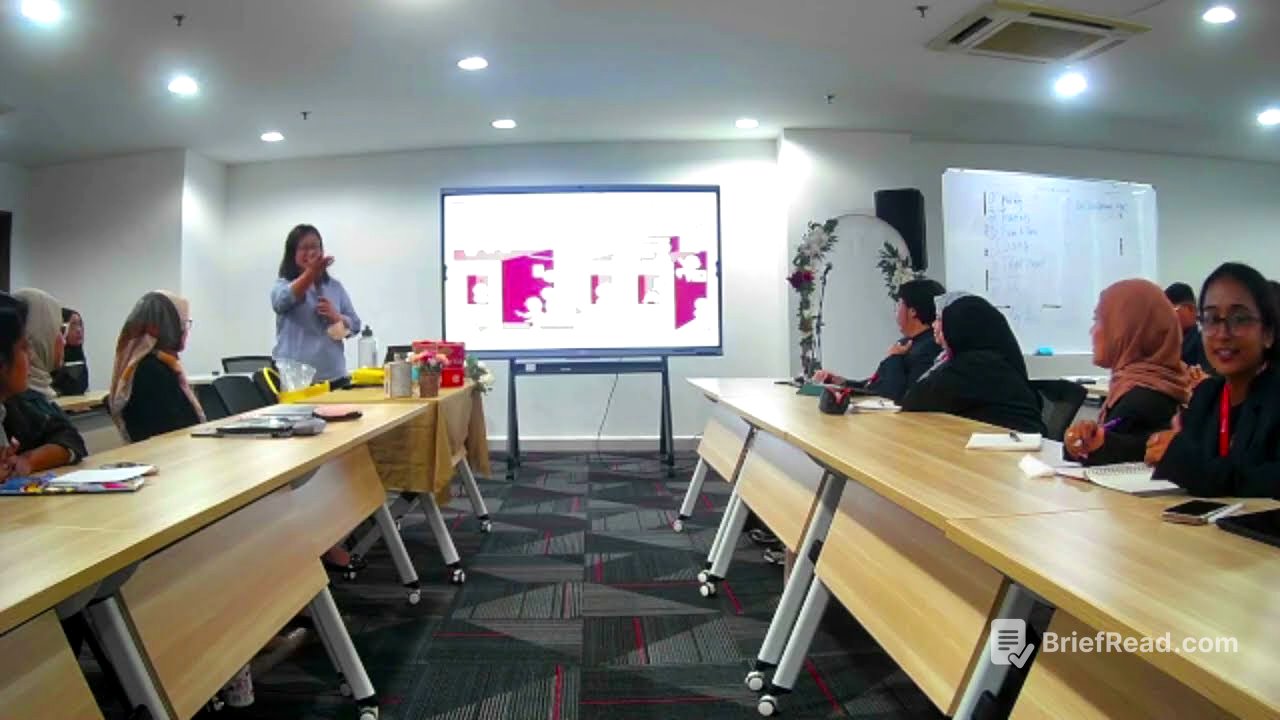
This video emphasizes the importance of people skills in HR, highlighting that HR's role extends beyond payroll and policies to building workplace culture and transforming lives. It covers the complexities of dealing with employees, managing conflicts, and the need for continuous learning and adaptability in the HR field. The video also touches on the significance of integrity, strategic thinking, and understanding the business to effectively serve employees and contribute to organizational success.
- HR is fundamentally about dealing with people and requires strong interpersonal skills.
- HR professionals play a crucial role in shaping workplace culture and employee growth.
- Continuous learning, adaptability, and integrity are essential for success in HR.
The Core of HR: People Skills [0:00]
HR is fundamentally about dealing with people, regardless of the specific department or role. Even tasks like payroll involve interactions with employees, managers, and authorities. If you don't enjoy working with people, HR is not the right career choice. HR is a vital function within an organization, responsible for more than just hiring, payroll, performance management, and policy creation; it's about managing complex human emotions and relationships.
Understanding Human Complexity [1:11]
Humans are complex, with diverse appearances, feelings, and hidden motivations. As an HR professional, it's crucial to be observant and recognize that surface-level information may not reflect underlying issues. The speaker conducts an exercise where participants choose a character representing their current emotions, illustrating the variety of feelings present even within a group of HR professionals.
Behind the Scenes in HR [7:06]
Many people are unaware of the extensive work HR does behind the scenes. The speaker shares personal experiences from a logistics company, highlighting how HR's responsibilities extend beyond hiring and payroll to include problem-solving, conflict resolution, and ensuring compliance with employment laws. HR also plays a role in evaluating the impact of training programs and organizing events to improve employee engagement.
Navigating Workplace Challenges [10:19]
HR professionals often face challenges such as managing workplace conflicts, handling resignations, and dealing with mental breakdowns among employees. The speaker recounts a situation where a young manager's team-building efforts failed to address underlying issues, emphasizing the complexity of changing people's attitudes and behaviors. HR must also address sensitive issues like workplace disturbances and ensure employee well-being.
Building a Positive Workplace Culture [19:22]
HR is not just about dealing with negative situations; it also involves building a positive workplace culture and helping employees grow. The speaker shares success stories of interns who have advanced within the company, highlighting the satisfaction that comes from contributing to people's development. The speaker conducts an activity asking participants to write down one word they want people to feel when they walk into the office, aiming to create a welcoming and engaging environment for new joiners.
The Power Dynamics in HR [32:05]
HR often finds itself caught in the middle, balancing the needs of employees and the demands of leadership. The speaker shares an experience where a costly ESG (Environmental, Social, and Governance) training program yielded no return on investment, illustrating the challenges of navigating organizational politics and advocating for effective resource allocation. HR professionals must also address misunderstandings and stereotypes, striving to be seen as allies rather than disciplinarians.
Essential Skills for HR Professionals [36:57]
Communication is paramount in HR, encompassing both verbal and written forms. HR professionals must document everything in writing to protect themselves and the organization. Understanding the business is also crucial, as different industries and cultures require tailored HR approaches. The speaker emphasizes the importance of continuous learning and adapting to the evolving needs of the workforce.
Real-World Challenges and Continuous Growth [41:02]
HR professionals face real-world challenges such as dealing with employee misconduct and balancing the needs of the organization with employee well-being. The speaker shares a story of an intern who struggled with attendance and performance, illustrating the limitations of HR's ability to save everyone. Continuous learning is essential, as the more you learn, the more you realize how much you don't know.
Lego Activity: Building Ideal Cultures [44:39]
Participants engage in a Lego building activity, creating structures that represent their ideal organizational cultures. Each group presents their creation, explaining the meaning behind their design and how it reflects their vision for a positive and productive workplace.
Interpreting the Lego Creations [1:05:18]
Each group explains how their Lego creation represents their ideal department or company culture, emphasizing themes such as open communication, bridging gaps between employees and management, providing equal opportunities, and promoting employee well-being. The speaker highlights the importance of policies like whistleblower protection and grievance procedures to foster open communication and address workplace issues. The speaker also touches on DEI (Diversity, Equality, and Inclusiveness) and the importance of collaboration.
Integrity, Adaptability, and Strategy in HR [1:16:02]
Integrity is paramount for HR professionals, who must never compromise their values for promotions or personal gain. Adaptability is also crucial, as HR must respond to evolving challenges such as geopolitical events and changing employee needs. The speaker emphasizes the importance of strategic thinking, positioning HR as a shared service department that provides value to employees and contributes to organizational success.
Understanding the Business and Expanding Knowledge [1:18:51]
HR professionals must understand the business and be willing to learn different job functions to effectively serve employees. The speaker encourages HR students to gain diverse experiences and continuously expand their knowledge. The speaker recommends joining the Malaysia HR forum on Facebook to access real-world case studies and stay updated on industry trends.
Q&A Session: Addressing Common HR Concerns [1:22:56]
The speaker answers questions from the audience, addressing topics such as switching industries, managing conflicts, job hopping, identifying bad management, and achieving work-life balance. The speaker emphasizes the importance of understanding the industry, cooling down before reacting to conflicts, learning from each job, and building a strong network.
Career Advice and Personal Development [1:48:20]
The speaker concludes by emphasizing the importance of continuous learning, humility, and personal development. The speaker introduces the PIE model (Performance, Image, Exposure) as a framework for career success, highlighting the significance of building a strong personal brand and expanding one's network. The speaker shares success stories of former interns and employees, illustrating the transformative impact of HR on people's lives.