TLDR;
This video explores the science behind resistant starch, a unique compound found in foods like green bananas, and its impact on metabolic health. It covers what resistant starch is, how it promotes fat loss (including visceral fat), its mechanisms of action involving the gut microbiome, and why individuals respond differently to it. The video also provides practical advice on incorporating resistant starch into your diet and the potential benefits of combining it with probiotics.
- Resistant starch is a type of starch that resists digestion in the small intestine, reaching the colon where it's fermented by gut bacteria.
- Studies show resistant starch can lead to weight loss, reduced body fat, and decreased visceral fat, independent of calorie intake.
- The gut microbiome plays a crucial role in how resistant starch is metabolized, with certain bacteria either enhancing or suppressing its benefits.
The Strange Science Inside a Green Banana [0:00]
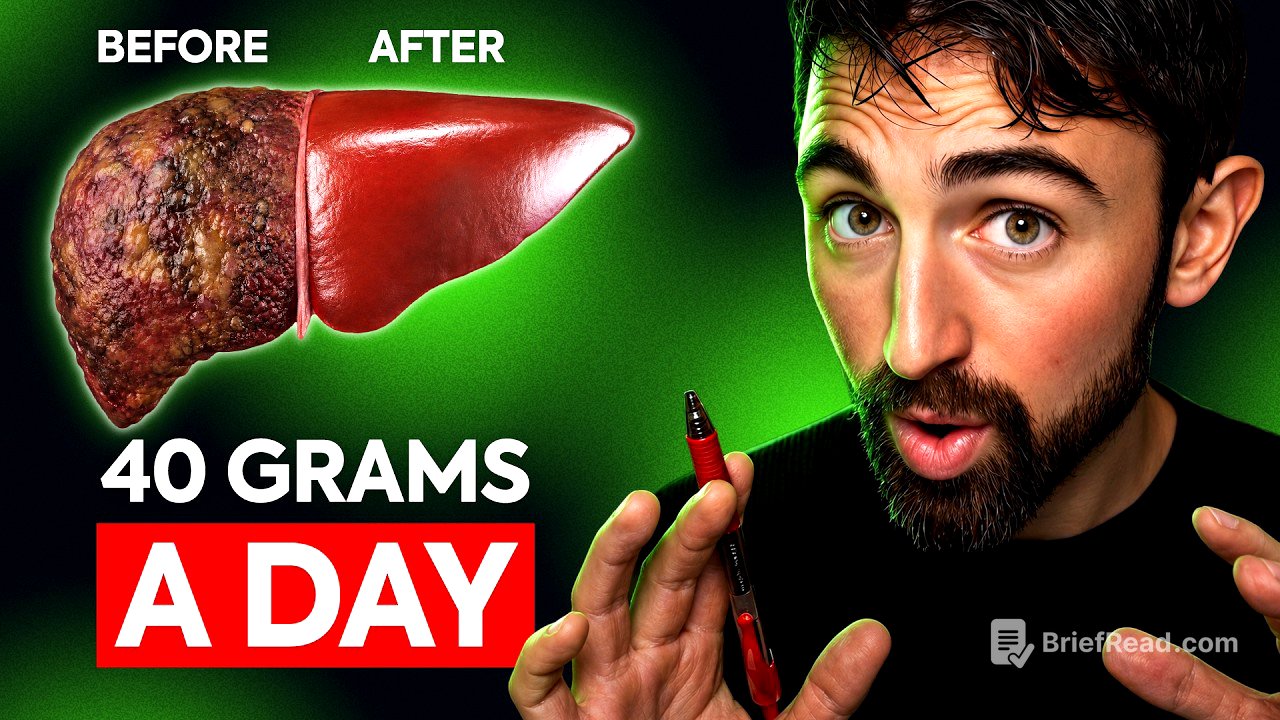
The video introduces resistant starch, a compound found in green bananas, highlighting its potential to reshape the microbiome and improve metabolic health. Unlike typical starches, resistant starch can lead to weight and fat loss, including visceral fat reduction, independent of caloric intake. The presenter emphasizes the compelling science and randomized control trials supporting these benefits, setting the stage for a detailed exploration of resistant starch and its effects.
A Roadmap to This Video [1:30]
The video outlines its structure, which includes five chapters. The first chapter will define resistant starch. The second chapter will present human trials demonstrating fat loss due to resistant starch. The third chapter will explain the mechanisms of action, focusing on the microbiome and metabolism. The fourth chapter will address why some people respond to resistant starch while others don't. The fifth chapter will provide practical ways to incorporate resistant starch into one's diet.
Chapter 1: What Resistant Starch Actually Is [3:08]
This chapter explains that starch is a chain of glucose molecules that are normally broken down by enzymes into glucose for energy. Resistant starch, specifically type 2, has a crystalline structure that resists digestion in the small intestine. Instead, it travels to the colon where gut bacteria ferment it, restructuring the microbiome and influencing various bodily functions. Gut bacteria have a diverse set of enzymes that can break down the tightly packed structure of resistant starch, unlike the limited enzymes in the human body.
Chapter 2: Human Trials Showing Fat & Visceral Fat Loss [5:18]
This chapter focuses on a study published in Nature Metabolism, a randomized controlled crossover trial involving men and women with BMIs above 24. Participants underwent both a resistant starch phase (40g per day) and a control starch phase, each lasting eight weeks with a washout period in between. The study was double-blinded and controlled for background diets, making it exceptionally rigorous. Results showed that during the resistant starch phase, participants experienced significant decreases in body weight and fat mass, particularly visceral fat. MRI images visually confirmed the reduction in visceral fat. Additionally, resistant starch improved insulin sensitivity, reduced inflammatory markers, and increased fecal lipid excretion.
Chapter 3: Mechanism of Action: Microbiome & Metabolism [8:17]
The chapter explores the mechanisms of action through fecal microbiota transplants (FMTs) in mice. Researchers transplanted stool samples from human participants who had consumed either resistant starch or control starch into mice with depleted microbiomes. Mice receiving the resistant starch-conditioned microbiome experienced weight and fat loss within two weeks, despite being on identical diets. This suggests that the benefits of resistant starch are mediated by changes in the gut microbiome. The newsletter also explains how resistant starch may help heal leaky gut.
Chapter 4: Why Some People Respond and Others Don’t [10:17]
This chapter addresses the variability in individual responses to resistant starch. A study in Cell Metabolism found that baseline microbiome composition predicts responsiveness. Participants with a higher presence of the bacteria prevatella showed limited benefits, while those with more bifidobacterium pseudocantum (BP) had stronger metabolic responses. Prevatella competes with other gut bacteria, reducing the fermentation of resistant starch into beneficial metabolites, while BP is capable of metabolizing resistant starch. The balance between these microbes influences the extent to which individuals benefit from resistant starch supplementation.
Chapter 5: Practical Ways to Use Resistant Starch [14:14]
This chapter provides actionable insights on incorporating resistant starch into your diet. The studies discussed used 40g per day of type 2 resistant starch, specifically high amylose maize starch (high maize 260). While the studies reported no significant gastrointestinal side effects, a cautious approach is recommended, titrating up gradually from 10g to 40g per week. Resistant starch can be obtained from unripe green bananas (about six to reach the 40g dose), consumed raw or blended into drinks. Alternatively, a high amylose maize starch supplement can be mixed into beverages like kefir. Determining if you're a responder can involve microbiome testing or simply monitoring metrics like body weight and body fat. Probiotics, such as bifidobacterium lum, may help enhance the effects of resistant starch, especially for low responders.
Big Picture: Personalized Nutrition & the Microbiome [18:04]
The video concludes by emphasizing that metabolic health depends not only on what you eat but also on how your personal microbiome interprets it. The future of nutrition lies in personalized approaches that consider individual microbiome compositions. Resistant starch represents a simple, accessible dietary intervention supported by rigorous research and a clear biological framework.