TLDR;
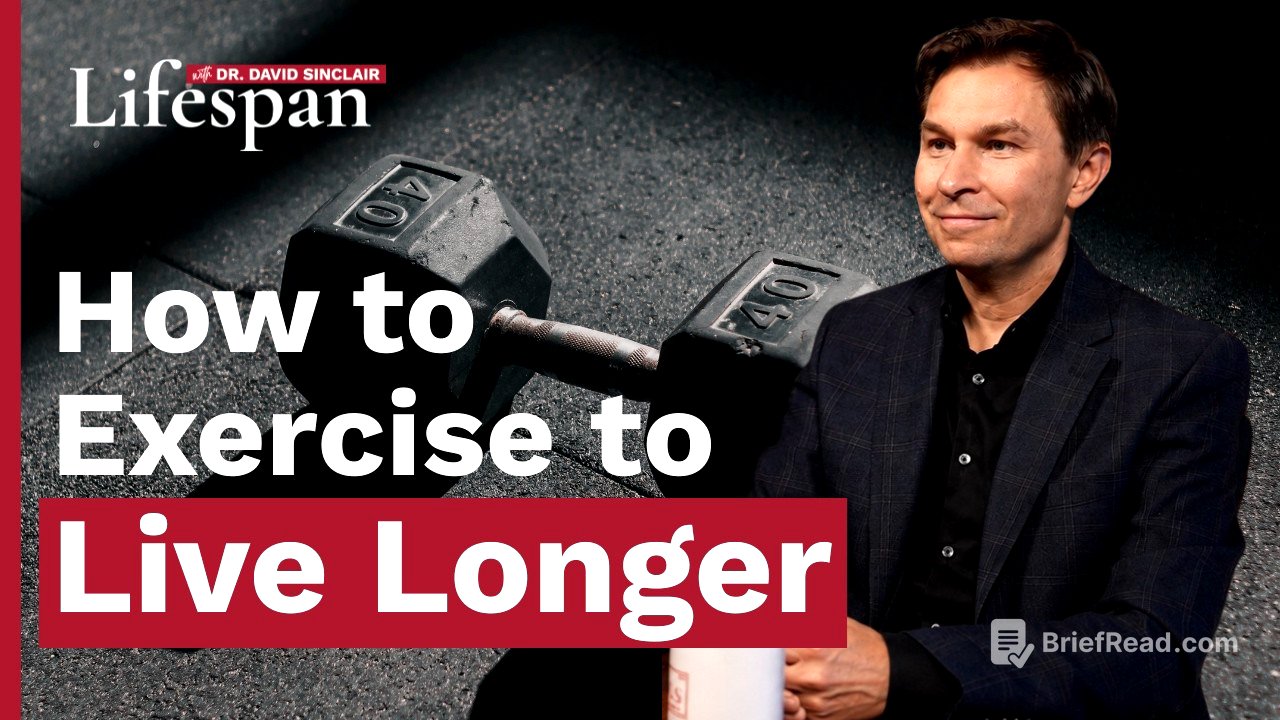
David Sinclair discusses the role of exercise in promoting longevity, presenting research findings and practical advice on physical activity tailored for health and aging. Key points include the impact of exercise on life expectancy, the significance of exercise biomarkers like grip strength, and a comprehensive exercise regimen that incorporates cardiovascular fitness, strength training, and balance exercises.
- Exercise significantly influences longevity, with specific data on how even minimal activity can add years to life.
- Grip strength is a reliable indicator of health and aging, with studies correlating higher grip strength with longer lifespans.
- An optimal exercise routine for longevity should integrate cardiovascular, strength, and balance training, emphasizing continuous movement throughout life.
Understanding the Impact of Exercise on Longevity [0:00]
Many individuals consume caffeine before workouts. Recent studies have highlighted that some weight loss associated with GLP-1 agonists includes muscle mass. Research shows that increased grip strength correlates with extended lifespan and overall health. For those less active, even walking an hour can add significant life expectancy. Sinclair emphasizes the difference between exercising for longevity and other purposes, and introduces his platform, Lifespan, aimed at enhancing health throughout life.
Exercise Fundamentals for Longevity [3:00]
Sinclair outlines the importance of physical activity, aiming to clarify common questions about exercise. He also addresses the importance of grip strength as an indicator of biological age and the potential for maintaining fitness into old age. The Lifespan platform provides resources, including newsletters, magazine subscriptions, and community support for maintaining health.
The Power of Physical Activity [4:12]
Sinclair states that exercise is a crucial component of lifespan improvement. He discusses the surprising findings from studies linking high activity levels with significant life extension, with data indicating that active individuals aged 40 and above can gain additional years through minimal daily exercise. Additionally, grip strength is emphasized as a leading biomarker of aging and overall health.
Creating an Effective Exercise Routine [8:12]
Sinclair recommends a balanced exercise routine that includes cardiovascular training, strength workouts, and balance exercises. Guidelines suggest a minimum of 75 minutes of vigorous or 150 minutes of moderate aerobic activity weekly, with at least two strength training sessions targeting major muscle groups. Incorporating balance workouts is also vital for injury prevention as one ages.
Balancing Exercise and Recovery [15:42]
In the discussion of exercise benefits, Sinclair emphasizes the importance of rest and recovery. Studies indicate that excessive exercise without rest could be detrimental to health. He argues that an effective routine should strike a balance between activity and adequate recovery periods.
Importance of Grip Strength and Cardio Fitness [24:40]
Research highlights the role of grip strength and cardiovascular fitness in longevity. Sinclair shares data showing that higher fitness levels are associated with significantly lower mortality rates. Grip strength is repeatedly cited as a vital metric for assessing health in aging individuals, and maintaining fitness levels is vital for overall health.
Exploring Exercise’s Impact on Health [29:03]
Sinclair offers insights into how exercise affects aging at the cellular level. He discusses physiological responses during exercise and the importance of regular physical activity for health maintenance.
Exercise Characteristics for Older Adults [36:45]
Targeted exercises for older adults can greatly improve health outcomes. High-intensity training doesn’t only benefit younger individuals; older adults can also gain strength and improve bone density through carefully structured exercise programs.
Monitoring Health and Recovery [43:00]
Sinclair stresses the need for personal tracking of fitness metrics using wearable technology to gauge recovery and performance. He explains how daily fluctuations can indicate when to push harder or ease off.
Protein, Exercise, and Longevity [52:50]
The relationship between protein intake and exercise is outlined, with Sinclair advocating for sufficient protein levels to maintain muscle, particularly as people age. He discusses the significance of quality protein sources and the impact of protein timing concerning workouts.
The Role of Genetics in Exercise [59:00]
Genetics can influence response to exercise, with variations affecting power or endurance. Sinclair explains how specific genes relate to physical performance, emphasizing the importance of a holistic fitness approach beyond genetic predispositions.
Myths about Exercise and Hormones [1:08:00]
Addressing misconceptions about the physiological impact of exercise on hormones, Sinclair clarifies how muscle-building efforts generally lead to metabolic health improvements rather than long-term hormone spikes.
Weekend Warriors vs. Regulars [1:13:20]
Sinclair assesses the viability of weekend-only exercise regimens versus regular workouts. While both methods reduce mortality risk, spreading exercise across the week is generally beneficial for health and well-being.
Exploring Exercise Timing [1:20:00]
Discussion on the optimal times for physical activity and how aligning exercise with circadian rhythms can enhance performance. Sinclair states that effective workout timing can lead to better training outcomes.
Combining Exercise and Fasting [1:27:00]
Addressing the integration of exercise with intermittent fasting, Sinclair advises timing workouts to maximize nutrient availability. He stresses careful planning to support muscle maintenance and overall well-being during fasting.
Caffeine’s Role in Exercise [1:31:40]
Caffeine intake before workouts can enhance performance, particularly in aerobic exercises. Sinclair encourages moderation and cautions against sugary energy drinks.
Key Takeaways on Longevity and Exercise [1:36:10]
Sinclair recaps the episode’s main points, reaffirming that regular exercise significantly contributes to a longer, healthier life and discussing the various biomarkers of health status associated with physical activity. He emphasizes that the best exercise is one that is enjoyable and sustainable for lifelong practice.