TLDR;
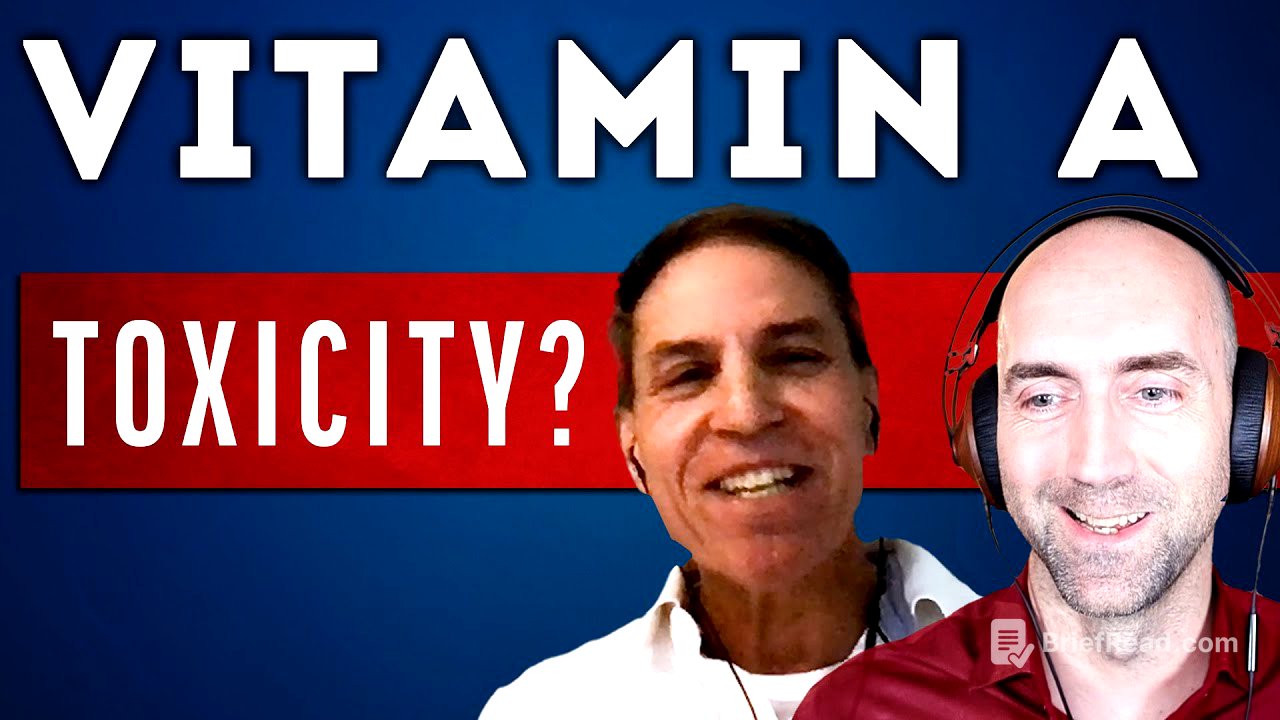
This podcast features an interview with Grant Generous, who discusses the potential toxicity of vitamin A. The conversation covers mainstream science regarding vitamin A, its different forms, and their effects, drawing from scientific literature. Grant suggests that vitamin A toxicity might be more prevalent than commonly believed, and even small amounts could be harmful.
- Retinoic acid, a form of vitamin A, is highly toxic and can interfere with DNA, leading to various health issues.
- Vitamin A toxicity symptoms include depression, anxiety, hair loss, skin problems, and gut issues, often developing over decades.
- The discussion challenges the conventional view of vitamin A as an essential nutrient, suggesting it may be more harmful than beneficial.
Grant Vitamin A Rejuvenate Podcast [0:00]
The Rejuvenate podcast introduces Grant Generous, who shares his insights on vitamin A. The interview is structured into two parts: the first focuses on mainstream science concerning vitamin A, while the second explores more speculative ideas about its toxicity. Grant's book is recommended as a resource for understanding the potential dangers of vitamin A, which he believes could be one of the most important books of the last hundred years. The host shares his personal experience with high vitamin A levels and how addressing this issue has significantly improved his health. Grant's work is presented as a valuable, unbiased perspective, as he has no financial incentives related to his research.
Retinoic Acid the most toxic form of Vitamin A [7:30]
Grant explains that retinoic acid is considered the most toxic form of vitamin A, part of a hierarchy where beta-carotene is the least toxic. Retinoic acid can quickly pass through cell membranes, enter the mitochondria and nucleus, and bind to DNA, compromising the cell's ability to produce proper proteins. This process can lead to the production of defective proteins, triggering an immune response and potentially causing autoimmunity. Retinoic acid's toxicity is well-documented, with hundreds of studies supporting this idea, and it has been used as a chemotherapy drug.
Symptoms of vitamin A toxicity [14:48]
Grant discusses the symptoms of vitamin A toxicity, also known as hypervitaminosis A, which includes a range of health issues. Early symptoms can include depression, anxiety, cognitive issues, memory loss, and chronic fatigue. More specific symptoms range from hair loss and skin problems like eczema and psoriasis to dry eyes and tinnitus. Other issues include joint pain, pressure on the brain, inflamed esophagus and lungs, kidney problems, weight gain, signs of early diabetes, GI issues, and muscle fatigue. The effects of vitamin A toxicity accumulate over decades, similar to the effects of smoking, making it challenging to recognize the connection between vitamin A intake and health problems.
The dangers of accutane [26:26]
Grant discusses Accutane, a vitamin A-based acne drug, highlighting its use as a chemotherapy agent and its severe side effects. He expresses concern over teenagers being prescribed Accutane for acne, given its potential to cause depression, suicide, and birth defects. The drug requires women to use two forms of birth control due to its toxicity to the fetus, comparable to thalidomide.
How can someone have high levels of vitamin A [28:50]
Grant explains that vitamin A originates in plants as carotenoids, which plants use to absorb sunlight. When ingested, beta-carotene, a double-ended retinol molecule, is split in half, creating two retinol molecules. This means that even individuals who don't consume animal products can have high vitamin A levels if they eat many vegetables high in carotenoids. The enzyme that breaks down aldehydes, including those from beta-carotene, is the same one that breaks down alcohol, meaning that excessive intake of either can affect the breakdown of the other.
The vitamin A big ticket items [42:18]
Grant identifies "big ticket items" high in vitamin A that people should avoid to prevent accumulation over time. These include spinach, kale, sweet potatoes, and carrots in the plant world, as well as canola oil due to its beta-carotene content. In animal products, liver and kidneys are the primary sources to avoid. These foods are often consumed by people trying to be healthy, highlighting the need to understand the potential risks of excessive vitamin A intake.
The study that made vitamin A a vitamin [48:01]
Grant discusses the 1925 Woolwalk and Hall study, which established vitamin A as an essential nutrient. The study involved feeding rats a diet believed to be free of vitamin A, leading to the rats becoming sick or dying. Grant argues that the diet was not vitamin A-free but contained heated casein and lard, which convert to retinoic acid, effectively poisoning the rats. He contrasts this with other contemporary studies using non-heated casein, where animals survived without negative outcomes.
Grant’s personal journey [58:27]
Grant shares his personal health journey, starting with a diagnosis of chronic kidney disease in 2006 and the development of severe eczema in 2014. After his doctor dismissed his condition, Grant researched trigger foods for eczema and discovered a common link to vitamin A. He then eliminated all foods containing vitamin A from his diet, leading to significant improvements in his health, including the disappearance of chronic joint pain and increased mental clarity.
Epidemic of disease and vitamin A fortification [1:11:01]
Grant discusses the increase in autoimmune diseases starting around the 1980s and attributes it to the mandated fortification of foods with vitamin A in North America, beginning in 1972-74. In Canada, dairy products are fortified with vitamin A, while in the United States, it is added to dairy, flour, and bread products. The World Health Organization also runs vitamin A supplementation programs in many countries, adding it to regional food sources like sugar in South America and MSG in Southeast Asia.
Food groups are a distraction, It’s about toxicity [1:18:55]
Grant argues against focusing on food groups and emphasizes the importance of understanding toxicity at the molecular level. He points out that the body recognizes molecules, not food sources, and that so-called health foods can be toxic due to their molecular composition. This perspective challenges conventional dietary advice and highlights the need to consider the potential harm of specific molecules, like vitamin A, regardless of their food source.
Do animals need vitamin A [1:21:21]
The discussion shifts to whether animals need vitamin A, with Grant asserting that it is a poison and referencing the Rodale paper as evidence. The host shares an anecdote about their cat, whose lameness improved after eliminating vitamin A from its diet. Grant suggests that the high vitamin A content in pet food may be due to the industry's need to use liver, a byproduct of meat production.
Glyphosate/ Glucuronidation [1:28:22]
Grant mentions glyphosate as a potential factor that impedes vitamin A detoxification. He explains that glyphosate and other toxins can damage DNA, exacerbating the effects of vitamin A toxicity. Glucuronidation is identified as the process by which the body converts retinoic acid into a form that can be excreted.
Practical advice to reduce vitamin a exposure [1:31:18]
Grant advises people to do their own research and read his work to understand the potential risks of vitamin A. He recommends starting by avoiding the "big ticket items" high in vitamin A. For those with chronic diseases, he suggests consulting his forum and being aware of the potential for a "detox trap." He advises against quitting vitamin A "cold turkey," especially for those in poor health, and suggests tapering off slowly.
Vitamin A testing [1:34:36]
Grant discusses vitamin A testing, noting that he aims to achieve a serum level of 0.0 to disprove the claim that vitamin A is essential. He mentions that serum levels of vitamin A may not accurately reflect tissue or liver storage. The standard blood test measures retinol bound to a retinol-binding protein.
Next steps [1:39:36]
Grant directs listeners to his blog, G Generous dot blog, where they can download his free ebooks. He also recommends Anthony Mawson's research on vitamin A toxicity and its association with various diseases. He emphasizes that he makes his work available for free because he cares about getting the message out, not making money.