TLDR;
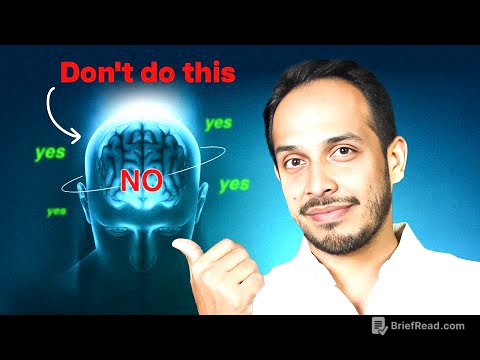
This video explores the profound connection between our thoughts and the reality we experience. It emphasizes that our thoughts, often subconscious, shape our feelings, behaviors, and ultimately, our life circumstances. The key takeaway is the importance of becoming aware of our thoughts and consciously directing our attention to cultivate a more positive and fulfilling life.
- Thoughts create reality
- Directing attention is key
- Living consciously is essential
Introduction and Setting the Stage [0:27]
The video begins with a warm greeting and an invitation to relax and focus. The speaker emphasizes the importance of being present and mindful to fully grasp the deep topic at hand. Viewers are encouraged to take a few deep breaths to center themselves and prepare for the discussion on the connection between thoughts and reality.
The Nature of Thoughts [2:00]
The speaker explains that thoughts are internal dialogues, often subconscious, arising from the interaction between external stimuli and past experiences. These thoughts, occurring spontaneously, influence our feelings and actions. For example, seeing a red car might trigger memories of a past relationship, leading to a train of thought about that person or relationship dynamics in general.
The Power of Thoughts and Words [5:39]
The video highlights that our thoughts shape our emotions, which in turn influence our behavior and life circumstances. The speaker stresses that our thoughts create our reality, and it's crucial to recognize this power. Words, as expressions of our thoughts, also hold significant weight, impacting our relationships, self-perception, and overall success. The speaker references the first agreement from "The Four Agreements" which is to be impeccable with your word.
The Subconscious Cycle and Its Impact [8:56]
The speaker describes a subconscious cycle where negative thoughts lead to negative emotions, resulting in unfavorable external conditions. Because these thoughts are often unconscious, we fail to recognize their role in creating our reality. The speaker gives an example of constantly complaining about the difficult conditions of living in Iran, which creates feelings of helplessness and leads to negative external conditions such as failure and lack of money.
Shifting Focus: Conscious Thinking [11:41]
To change our external circumstances, the speaker advises shifting our focus from fighting the results to changing the thoughts that create those circumstances. This requires conscious effort and presence in the moment. It means being aware of our thoughts and choosing to focus on those that are beneficial, while gently releasing those that are not.
The Importance of Presence and Gratitude [13:08]
The speaker emphasizes the importance of being present in the moment and appreciating the simple things in life. This presence allows us to detach from the constant stream of thoughts and connect with the underlying peace and joy that exists within us. By focusing on gratitude and love, we can shift our attention away from negative thoughts and create a more positive inner state.
Detaching from the Mind [14:46]
The speaker encourages listeners to disengage from their minds and not get caught up in the endless stream of thoughts. It is important to recognize that we don't have to believe everything our minds tell us. By becoming disinterested in the mind's chatter, we can find a deeper sense of peace and freedom.
The Call to Wake Up [16:24]
The speaker urges viewers to "wake up" from their subconscious patterns and take control of their thoughts. Living unconsciously leads to a life of suffering and missed opportunities. By becoming aware and directing our attention, we can align ourselves with growth, love, and fulfillment.
Defining Wakefulness: Directing Attention [18:30]
Wakefulness is defined as the ability to observe where our attention is focused and redirect it when necessary. It's about being the master of our own minds and not being controlled by external influences or negative thought patterns. The speaker emphasizes that we are the ultimate authority in our own lives and have the power to choose what we focus on.
The Value of Conscious Living [21:01]
The speaker quotes Socrates, stating that "an unexamined life is not worth living." Living consciously brings joy, beauty, and refinement to our experiences. The speaker warns against relying solely on practices like meditation if the rest of the day is spent in unconsciousness. The goal is to integrate awareness into every moment of life.
Thoughts Shape Reality [23:22]
The speaker emphasizes that our thoughts create our reality, and what we focus on grows. If we focus on negative, unhelpful thoughts, we are essentially watering the weeds in our garden. It's crucial to recognize this and consciously choose to focus on thoughts that support our well-being and growth.
The Power to Release Thoughts [25:22]
The speaker asserts that we have the ability to release any thought at any moment. By bringing our attention to the present moment, such as focusing on our breath or the sensations in our body, we can interrupt the cycle of negative thinking. This requires consistent effort and commitment to redirecting our attention to the present.
Inner Transformation [27:20]
The speaker reiterates that changing our thoughts is easier than trying to change external circumstances. By focusing on inner transformation, we can create a life of ease and fulfillment. All the things we desire will come to us naturally when we align our thoughts with positivity and growth.
Directing Energy and Attention [29:20]
The speaker emphasizes that our primary task is to direct our attention, which is synonymous with directing our energy. Where we place our attention, we direct our life force. By consciously choosing where to focus our energy, we can create a life of abundance and well-being.
Meditation and Mindfulness [31:54]
Meditation and mindfulness practices are presented as tools to help us direct our attention. These practices teach us to observe our thoughts without judgment and to gently redirect our focus when we get caught up in negative thinking. The speaker encourages viewers to be vigilant and proactive in managing their thoughts, like a skilled hunter lying in wait for bad thoughts.
The Power of Awareness [33:22]
The speaker references the book "As a Man Thinketh" by James Allen, emphasizing that our thoughts shape our reality. This knowledge empowers us to take control of our lives and resist being manipulated by external forces. By cultivating awareness, we can make conscious choices that align with our well-being and growth.
Avoiding Manipulation and Deception [34:09]
The speaker cautions against trying to manipulate or deceive the universe. True gratitude and positive thinking must come from a genuine place, not from a desire to get something in return. The speaker references "Conversations with God," emphasizing the importance of addressing the underlying thoughts and beliefs that drive our actions.
The Law of Attraction and Personal Responsibility [36:06]
The speaker quotes Rumi, emphasizing that our actions and thoughts send out vibrations that attract similar energies back to us. Those of the light attract light, and those of darkness attract darkness. The speaker explains that heaven and hell are states of mind, and we have the power to choose which one we inhabit.
Heaven and Hell as States of Mind [37:25]
The speaker shares a story of a samurai and a Zen master to illustrate that heaven and hell are not places but states of mind. Hell is characterized by feelings of anger, resentment, and despair, while heaven is characterized by forgiveness, love, and compassion. We have the power to create heaven or hell in our own lives through our thoughts and actions.
The Power of Choice [39:58]
The speaker emphasizes that we have the power to choose our thoughts and create our own reality. However, if we are living unconsciously, those choices are being made for us by external influences. By becoming aware, we can reclaim our power and create a life that is aligned with our true selves.
The Mind as a Gland [40:33]
The speaker suggests viewing the mind as a gland that produces thoughts, similar to how other glands produce hormones. Just as we don't get caught up in every hormonal fluctuation, we don't need to get caught up in every thought that arises. By detaching from our thoughts, we can find greater peace and freedom.
Releasing and Healing [42:05]
The speaker explains that we can heal ourselves by consciously choosing to release negative thoughts and not give them our attention. Instead of fighting our thoughts, we can simply stop watering them, and they will eventually wither away. This allows space for positive thoughts and experiences to flourish.
True Freedom [43:08]
The speaker concludes that true freedom lies in changing our inner state, not our external circumstances. If we cannot manage our attention and energy, we will continue to experience problems in our lives. By taking control of our thoughts, we can create a life of peace, joy, and fulfillment.
The Essence of All Teachings: Awareness [44:15]
The speaker emphasizes that all teachings boil down to one word: awareness. Awareness of our thoughts, feelings, and surroundings allows us to consciously create our reality. Every thought is like a brushstroke, painting our lives with its unique quality.
A Final Question and Call to Action [50:01]
The speaker leaves the audience with a question: If you truly believed that your thoughts were creating your reality, what kind of thoughts would you choose to cultivate, and what kind of thoughts would you refuse to entertain? Viewers are encouraged to reflect on this question and take concrete steps to align their thoughts with their desired reality. The speaker also recommends a video on YouTube called "Be a Manager" for guidance on how to manage thoughts.