TLDR;
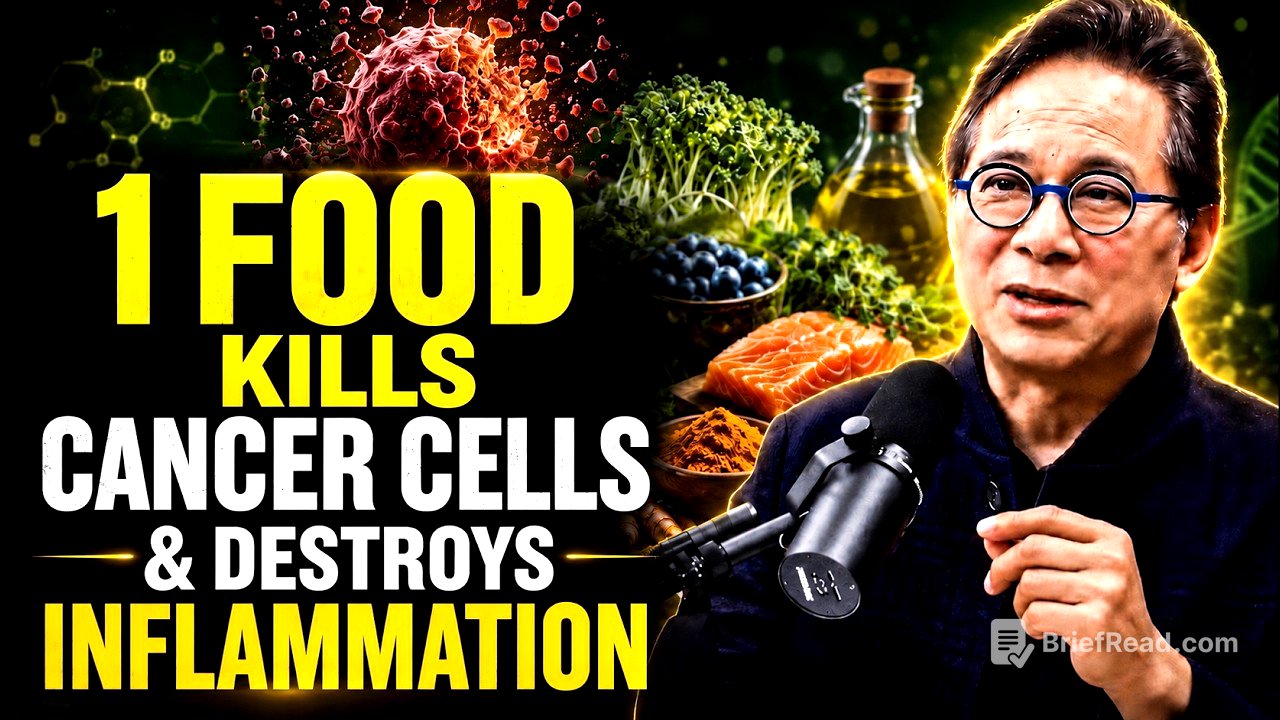
This video presents the top five anti-inflammatory foods that can significantly benefit individuals, especially those over 60, by combating chronic inflammation and its associated health risks. The list includes extra virgin olive oil, wild-caught salmon, blueberries, turmeric, and broccoli sprouts, each with unique properties and preparation methods to maximize their anti-inflammatory effects. The key is to incorporate these foods correctly and consistently into your diet to promote overall health and well-being.
- Extra virgin olive oil, rich in oleocanthal, mimics ibuprofen's anti-inflammatory effects without the risks.
- Wild-caught salmon, packed with omega-3 fatty acids, rebuilds tissue and reduces inflammation.
- Blueberries, high in anthocyanins, protect mitochondria and improve memory.
- Turmeric, when combined with black pepper and fat, becomes highly bioavailable and crosses the blood-brain barrier.
- Broccoli sprouts, containing high levels of sulforaphane, activate the body's antioxidant and anti-inflammatory defenses.
Introduction [0:00]
The video introduces a cost-effective approach to reducing chronic inflammation, highlighting that it is a silent fire inside the body that can lead to various health issues such as achy joints, Alzheimer's disease, heart failure, type 2 diabetes, and muscle wasting. It emphasizes that many Americans unknowingly exacerbate this inflammation through their daily food choices. The video aims to reveal five powerful anti-inflammatory foods, warning that the number one choice may be surprising and is often consumed incorrectly.
Extra Virgin Olive Oil [2:16]
Extra virgin olive oil can improve cerebrovascular function and reduce inflammation. A study showed that consuming 1.5 tablespoons daily improved blood circulation in the brain by 34% and reduced interleukin-6 levels by 28%. Oleocanthal in olive oil functions similarly to ibuprofen by blocking inflammatory enzymes without the side effects. About 3.5 tablespoons of high-quality extra virgin olive oil provides anti-inflammatory effects comparable to 10% of an adult ibuprofen dose. It is important to consume it cold to preserve its beneficial compounds and pair it with foods like cherry tomatoes to enhance its anti-inflammatory effects.
Wild-Caught Salmon [5:49]
Wild-caught salmon acts as a firefighting crew in the body, suppressing inflammation and repairing tissue damage. A study involving 1200 adults over 70 showed that consuming at least two servings of wild-caught fatty fish per week reduced C-reactive protein levels by 41% and improved physical performance. Omega-3 fatty acids in salmon replace omega-6 fats in cell membranes, making cells more responsive and less prone to inflammation. For those over 70, direct dietary sources of omega-3s are crucial due to decreased conversion of plant-based omega-3s. It is recommended to bake or slow cook salmon and serve it with spinach to enhance omega-3 metabolism.
Blueberries [9:30]
Blueberries can reduce inflammation and improve cognitive function. A 12-week trial with adults aged 60-78 showed that consuming one cup of blueberries daily reduced NF-κB activity by 25% and improved episodic memory and processing speed. The anthocyanins in blueberries protect mitochondria from damage caused by reactive oxygen species, which ignite inflammation at the cellular level. Frozen blueberries are as effective as fresh ones. Pairing blueberries with oatmeal can increase the absorption of anti-inflammatory compounds by up to 40%. Partially thawing frozen blueberries before eating them can also enhance anthocyanin release.
Turmeric [12:37]
Turmeric, specifically its active compound curcumin, can be as effective as ibuprofen in reducing pain and inflammation without the side effects. However, curcumin has low bioavailability, with less than 3% being absorbed by the body. Combining turmeric with black pepper, which contains piperine, can increase absorption by up to 2,000%. Curcumin is fat-soluble, so it should be consumed with fat, such as in golden milk. Curcumin crosses the blood-brain barrier and reduces amyloid plaque accumulation. Adding ginger to turmeric preparations creates a synergistic anti-inflammatory effect.
Broccoli Sprouts [17:20]
Broccoli sprouts contain 50 to 100 times more sulforaphane than mature broccoli florets. Sulforaphane is a potent activator of Nrf2, which controls the body's anti-inflammatory defense system. Clinical trials have shown that broccoli sprout extract reduces oxidative stress by 38% and systemic inflammatory markers by 29%. Sulforaphane also activates glutathione peroxidase, which neutralizes lipid peroxides. Broccoli sprouts should be eaten raw because heat destroys the myrosinase enzyme needed to create sulforaphane. Pairing broccoli sprouts with selenium-rich foods like Brazil nuts enhances their function. A daily intake of 70 to 100 grams of fresh broccoli sprouts is recommended for optimal benefits.
Conclusion [23:05]
The video concludes by emphasizing that aging with vitality is a choice and that inflammation-driven health issues are not inevitable. It encourages viewers to start with one food from the list and incorporate it consistently into their diet. The presenter underscores the importance of investing in one's health and invites viewers to share their experiences and insights in the comments.