TLDR;
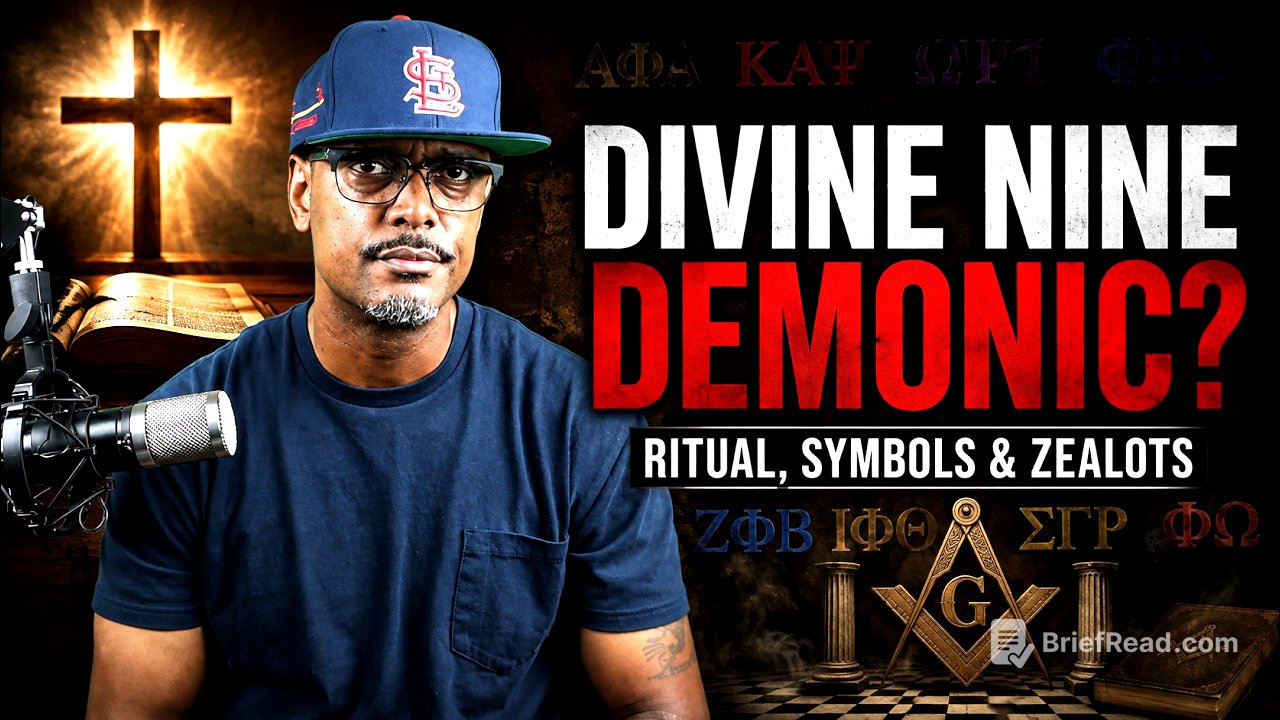
The video explores the complex dynamics surrounding black Greek letter organizations, their initiation processes, and the criticisms they face, particularly from religious groups. The narrator argues against the idea that joining such organizations equates to spiritual corruption or demonic influence. Instead, he emphasizes the importance of understanding adult agency within the initiation process, the historical context of these organizations, and the significant social contributions they have made to the black community.
Key points include:
- Adult agency and the complexity of choosing to join organizations.
- Critique of extreme hazing and its distinction from meaningful initiation rituals.
- The historical contributions of black Greek organizations to culture, society, and politics.
- The dangers of condemning organizations based on superficial understanding without recognizing their positive impacts.
Introduction to Adult Agency [0:00]
The conversation begins with a focus on adult agency, addressing the common portrayal of individuals pledging to black Greek letter organizations as being childlike and lacking the ability to make informed decisions. The narrator highlights that although young adults may be impressionable and desire belonging, they ultimately make conscious choices to join these organizations.
Understanding Hazing and Rites of Passage [2:14]
The narrator clarifies that while he does not condone extreme hazing that leads to physical or psychological harm, it is essential to differentiate between a meaningful rite of passage and abusive practices. He discusses how many cultures utilize initiation rites involving struggle and sacrifice, emphasizing that such experiences can serve a transformative purpose.
Criticism and the "Demonic" Narrative [4:22]
He challenges the leap from personal disappointment to broader metaphysical accusations against organizations, cautioning that labeling them as demonic simplifies nuanced issues like peer pressure and ambition. This narrative attempts to discredit the historical significance and contributions of these organizations while failing to engage with their complexities.
Cultural Suspicions and Excellence [6:36]
Using the myth of Robert Johnson's pact with the devil as an analogy, he argues that attributing excellence to supernatural forces undermines the hard work and dedication required for success. This narrative is problematic and reflects a broader cultural suspicion towards success in black communities.
Critiquing Religious Condemnations [7:58]
The discussion shifts to how some religious critics denounce black fraternal organizations as corrupt and demonic without considering their positive impacts. He emphasizes the importance of engaging with the history and contributions of these organizations rather than relying on accusations that come from misunderstanding their symbolic practices.
Historical Context of Black Organizations [10:14]
The narrator speaks on the formation and historical significance of the Divine Nine and Prince Hall Masonry, noting how these organizations provided safe spaces for black individuals during times of exclusion from mainstream institutions. This led to significant advancements in education, community support, and representation.
Call to Action [11:32]
He implores critics to assess their own contributions to society rather than casting judgments on others for participating in organizations perceived as problematic. The narrator challenges viewers to reflect on the importance of building institutions that foster community, responsibility, and mentorship rather than merely criticizing those that exist.
Foundations of Community and Legacy [13:46]
In conclusion, the narrator emphasizes the impactful legacies of the Divine Nine and Prince Hall Masonry, highlighting figures like Martin Luther King Jr. and Thurgood Marshall who emerged from these organizations. He calls for a nuanced understanding of their work and contributions, urging viewers to recognize the importance of building lasting institutions that address community needs.
Final Reflections on Arrogance and Understanding [15:17]
The video wraps up with a reminder that faith should not lead to arrogance or dismissiveness towards different traditions. It serves as a call for deeper introspection about the histories and complexities within all belief systems, urging people to reassess their evaluations of others without immersion in human biases and historical contexts.


![The Epic Showdown with Milleniumon [Adventure 2020 Discussion] | Baby Flame Vol. 10](https://wm-img.halpindev.com/p-briefread_c-10_b-10/urlb/aHR0cDovL2ltZy55b3V0dWJlLmNvbS92aS9SXzE0THhNVVFHNC9ocWRlZmF1bHQuanBn.jpg)