TLDR;
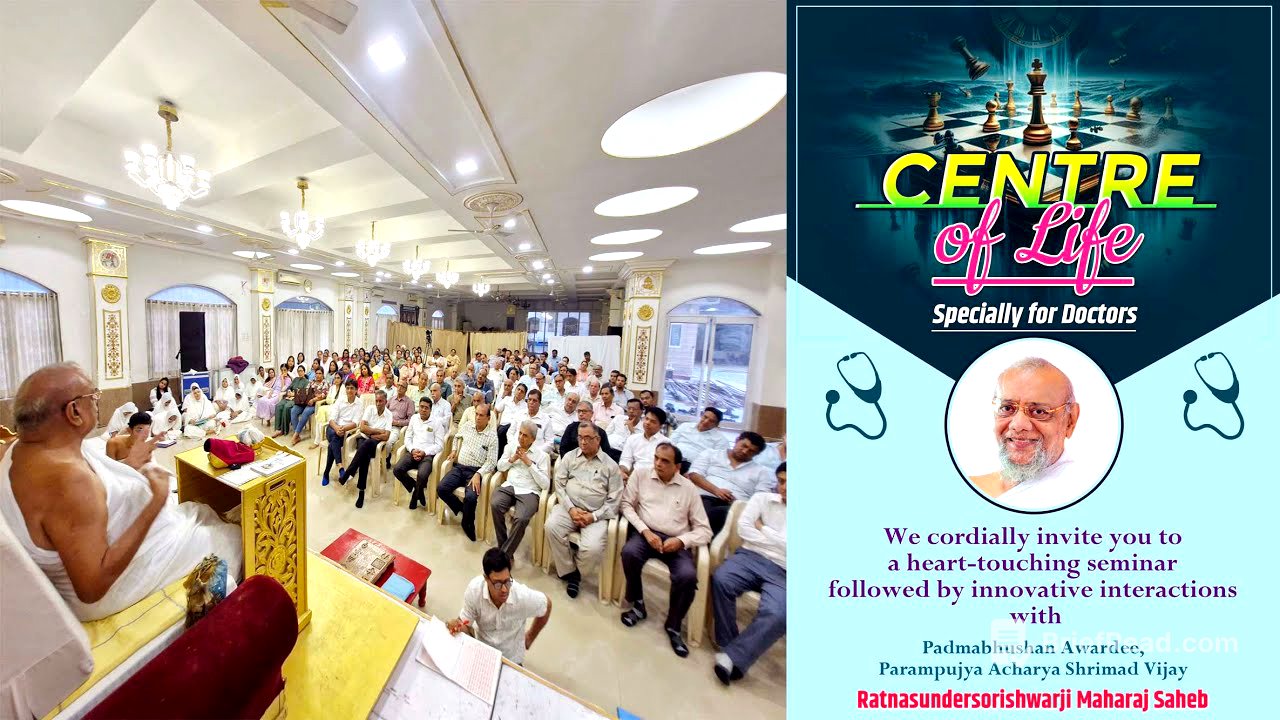
This video discusses key principles for a fulfilling life, emphasizing the importance of relationships, emotional balance, ethical conduct, and managing success. It highlights the need for prioritizing family, maintaining open communication, and avoiding excessive focus on material wealth. The speaker shares personal anecdotes and practical advice to encourage viewers to reflect on their values and make positive changes in their lives.
- Prioritize relationships and maintain open communication with family.
- Balance professional ambitions with emotional well-being.
- Uphold ethical principles over solely practical considerations.
- Manage success to avoid excess and maintain happiness.
Planning Commission and Gurudev [0:02]
The video starts with a mention of the Planning Commission and Gurudev, noting that Gurudev's influence was so strong that he would guide India.
The Door Story: Self-Reliance and Change [0:49]
The speaker shares an anecdote about Swami Ramtirth who faced difficulty opening a door because he was pushing instead of pulling, highlighting the need for self-reliance and personal initiative. The lesson is that change and solutions come from within oneself.
Maintaining Relationships [2:28]
Maintaining relationships requires conscious effort and care, similar to nurturing a seed into a tree. The speaker emphasizes the importance of prioritizing relationships and addressing any mental reservations about maintaining them. He shares personal experiences of maintaining relationships with family members despite a busy schedule, stressing that neglecting these relationships can lead to damage that is difficult to control.
Prioritizing Relationships and Time [4:17]
The speaker stresses the importance of prioritizing relationships, comparing it to buttoning a shirt correctly. Success increases with consistent routines, but often at the expense of family time. He shares a personal habit of spending an hour daily with his parents, emphasizing the need to dedicate time and communication to family.
Time and Communication in Relationships [6:32]
The speaker emphasizes the importance of time and communication in relationships, noting that a lack of these can cause issues across generations. He stresses the need to prioritize relationships over money, as family needs love, time, and understanding.
Neglecting Family and the Consequences [8:10]
The speaker discusses the trend of neglecting family in favor of other priorities and warns against the consequences of neglecting relationships, suggesting that it will eventually lead to significant problems.
Satisfaction in Relationships [9:05]
The speaker advises viewers to ask themselves if they are truly giving enough time and communication to their families and whether their family members are happy with the attention they receive. He shares an anecdote about Dhirubhai Ambani, who prioritized his sons, illustrating the importance of making family a top priority.
Limited Time and Intention [10:28]
The speaker touches on the concept of limited time and the importance of understanding one's intentions, particularly regarding family.
Time and Communication for Relationships [12:28]
The speaker emphasizes the importance of time and communication in maintaining relationships, aiming for 100% effort. He advises engaging in meaningful conversations with one's spouse and understanding children's concerns, rather than just providing material gifts.
Routine and Guru's Teachings [13:55]
The speaker shares a story from his time with his guru, emphasizing the importance of routine and avoiding the neglect of relationships. He also highlights the significance of managing emotions in professional life.
Emotions in Profession [14:40]
The speaker discusses the role of emotions in professional life, noting that multinational companies often neglect emotions and relationships. He questions the percentage of emotion one should bring to their profession, advocating for empathy and care, especially in fields like medicine.
Expressing Emotions [16:19]
The speaker emphasizes the importance of expressing emotions, ensuring that others feel cared for and valued. He encourages speaking kindly and sincerely, even when delivering difficult news.
Consistency and Avoiding Neglect [19:01]
The speaker stresses the importance of consistency and avoiding neglect in relationships, even when busy.
Doctor's Story: Empathy and Fees [19:33]
The speaker shares a story about a doctor who charged a nominal fee of three rupees, illustrating the value of empathy and genuine care for patients. This doctor's emotional connection with his patients made him a beloved figure.
Giving Back to Society [22:01]
The speaker encourages viewers to consider how they can give back to society, suggesting that if society has given much, one should offer their abilities freely.
Controlling Greed [22:49]
The speaker discusses the importance of controlling greed, noting that while needs can be managed, greed is harder to control. He encourages viewers to reflect on whether they have enough and to avoid constantly chasing more.
Practicality and Ethics [23:27]
The speaker advises finding a balance and knowing when to stop accumulating wealth, using the analogy of a river that needs occasional pauses. He encourages self-reflection to determine one's true needs and to avoid being driven solely by material desires.
Practicality and Compassion [25:17]
The speaker emphasizes the importance of compassion and practicality, suggesting offering free treatment to patients with low incomes. He shares an anecdote about seeing successful people and questioning whether their success has been solely for themselves or for others as well.
Average Doctor's Image [26:56]
The speaker discusses the average image of doctors, noting a decline in trust and respect. He encourages self-reflection on one's image and the need for change.
Changing Mass Perception [29:35]
The speaker asserts that while changing mass perception is difficult, individual change is possible and impactful.
Pain and Good Deeds [31:09]
The speaker emphasizes that pain is an inevitable part of doing good and that one must be willing to accept it. He notes that challenges and betrayals are common, but perseverance is key.
Happiness and Experience [33:09]
The speaker contrasts the need for opinions to please the world with the need for experiences to please oneself. He shares personal experiences, emphasizing the importance of truthfulness and integrity.
Faults of Saints and Truth [33:55]
The speaker reflects on the challenges faced by saints and truthful individuals, questioning why they often suffer. He uses examples from Hindu mythology to illustrate that even virtuous figures face adversity.
Thorns and Roses [34:45]
The speaker uses the metaphor of roses and thorns to illustrate that pursuing something beautiful often involves overcoming obstacles. He shares personal experiences of facing opposition when trying to do good.
Avoiding Excess in Success [36:01]
The speaker warns against excess in success, comparing it to poison. He uses the analogy of sugar in milk, noting that even good things can be harmful in excess.
Ambition and Health [36:48]
The speaker shares a story of a doctor who sacrificed his health in pursuit of building a large hospital, illustrating the dangers of unchecked ambition.
Ring Road of Life [38:37]
The speaker compares life to a ring road, where many people are constantly running without a clear destination. He emphasizes the importance of understanding and avoiding excess.
Quality Person and Quality Time [39:26]
The speaker questions who the quality people in one's life are and how quality time is allocated to them. He stresses the importance of prioritizing these individuals and dedicating uninterrupted time to them.
Sacrifices and Priorities [41:07]
The speaker discusses the sacrifices made when balancing family and other commitments, such as work or friends. He emphasizes the importance of prioritizing family and being mindful of the messages sent when other priorities take precedence.
Practical Examples and Priorities [42:53]
The speaker provides practical examples of how priorities are often misplaced, even when individuals claim to value family. He stresses the importance of making family a genuine priority.
River Analogy and Family Time [44:37]
Using a river analogy, the speaker emphasizes that the closest relationships should receive the most immediate attention and time.
Revenge Mentality and Family [45:09]
The speaker warns against a revenge mentality and the growing trend of not wanting marriage or family. He stresses the importance of family and the potential consequences of neglecting it.
Ethics and Practicality [46:28]
The speaker advises against sacrificing ethics for practicality, noting that principles should not be compromised. He laments the declining ethical standards he has observed, particularly among doctors.
Jalgaon Experience: Ethical Decline [47:55]
The speaker shares a distressing experience from Jalgaon, where he witnessed a significant decline in ethical standards among doctors. He recounts how the area with numerous hospitals was known as "Slaughterhouse Road," reflecting the poor image of healthcare professionals there.
Three Calamities of Today [50:12]
The speaker identifies three calamities of the modern era: the desire for more money, the desire for instant more money, and the desire for more money by any means.
Ethical Compromises [51:45]
The speaker criticizes the ethical compromises made in pursuit of wealth, such as doctors performing unnecessary procedures for financial gain.
Hectic Lifestyle and Happiness [52:45]
The speaker discusses the hectic modern lifestyle and the importance of not sacrificing happiness. He notes that while countries may be increasing in wealth, happiness is often declining.
Protecting Happiness [54:04]
The speaker emphasizes the need to protect happiness, even in a hectic life. He advises viewers to safeguard ethics, manage excess, and nurture emotions and relationships.
Top Class Priority [55:19]
The speaker asserts that everyone, regardless of their ego, will eventually need help and that those in positions of power have a responsibility to care for others.
Defining Happiness [55:49]
The speaker defines happiness as liking what one has when one cannot have what one likes. He shares an anecdote about scientists defining happiness.
Happiness and Jainism [58:35]
The speaker connects happiness to Jainism, stating that the root of happiness is no complaint, no competition, but cooperation.
Transformation and Power [59:32]
The speaker encourages viewers to transform their thinking and embrace the power of contentment.
Push vs. Pull: Self-Improvement [1:01:36]
The speaker concludes by reiterating the importance of self-improvement and personal initiative, urging viewers to "pull" themselves rather than waiting to be "pushed." He announces an upcoming event in December to discuss his 50th book.