TLDR;
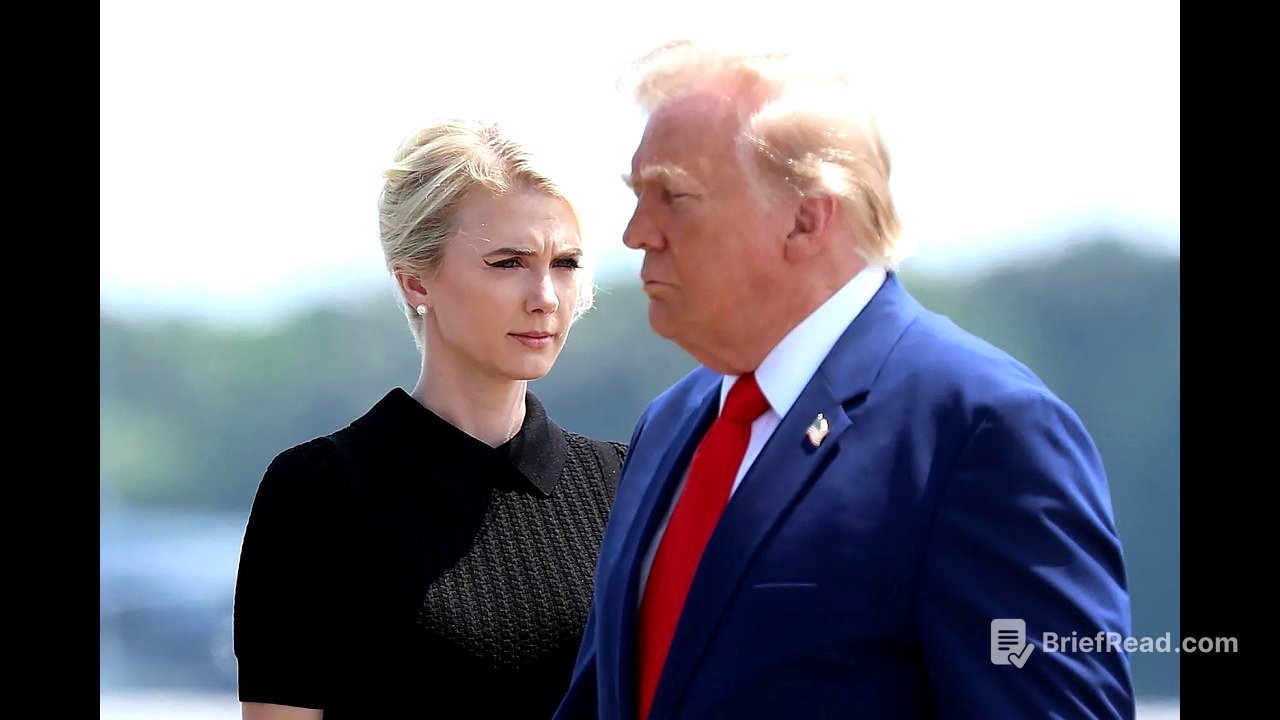
The video discusses the concerning issue of Natalie Harp, a close aide to President Donald Trump, who apparently declined to obtain a required security clearance for over a year. This situation raises serious questions about her access to classified information and highlights discrepancies in the handling of security protocols within the White House. The video draws parallels to previous security controversies involving Democratic figures, emphasizing a perceived double standard in political accountability.
- Natalie Harp declined multiple requests for security clearance for over a year.
- Her close proximity to the president without clearance raised internal alarm among White House staff.
- The video critiques the lack of accountability compared to past controversies involving Democrats.
Natalie Harp's Security Clearance Issues [0:00]
Natalie Harp, close aide to President Trump, reportedly avoided obtaining a security clearance for more than a year, which is unusual for West Wing staffers. Following internal concerns from the White House counsel's office and security officials, Trump intervened, prompting Harp to eventually fill out the necessary forms for a background investigation. The delay in obtaining clearance, which is mandatory for accessing classified information, raised red flags among Trump's aides, highlighting that Harp handles sensitive information daily and is closely tied to the president.
Implications of Harp's Lack of Clearance [2:00]
Harp's failure to acquire a security clearance is not presented as a minor oversight; rather, it reveals a troubling pattern of sustained refusal over a year to comply with necessary protocols. This avoidance not only threatens security protocols but raises questions about accountability in managing access to the president. Observations suggest this situation reflects a broader issue of preferential treatment within the White House, where some aides seem exempt from standard security requirements.
Contrasting Political Accountability [4:00]
The video compares the current situation with previous partisan controversies surrounding Hillary Clinton's email server, where Republicans expressed significant outrage over protocol violations related to national security. The narrative suggests a stark contrast in how accountability is applied, questioning why similar scrutiny isn't focused on Harp's extended proximity to Trump without security clearance.
Concerns About Access and Trust [6:00]
The discussion emphasizes that trust should not be the basis for allowing access to sensitive information. Harp's clear lack of a timely security clearance prompts concerns about operating protocols within the White House. The video calls for reflections on the differing reactions to security breaches based on political affiliation and highlights the implications of allowing certain individuals unchecked access to top-level discussions.
Conclusion and Call to Action [8:00]
In conclusion, the video urges viewers to recognize the seriousness of Harp's situation and the broader implications of the security clearance process. It encourages subscribers to support independent media efforts in shedding light on these inconsistencies and pressures faced by those who challenge the administration's narratives.