TLDR;
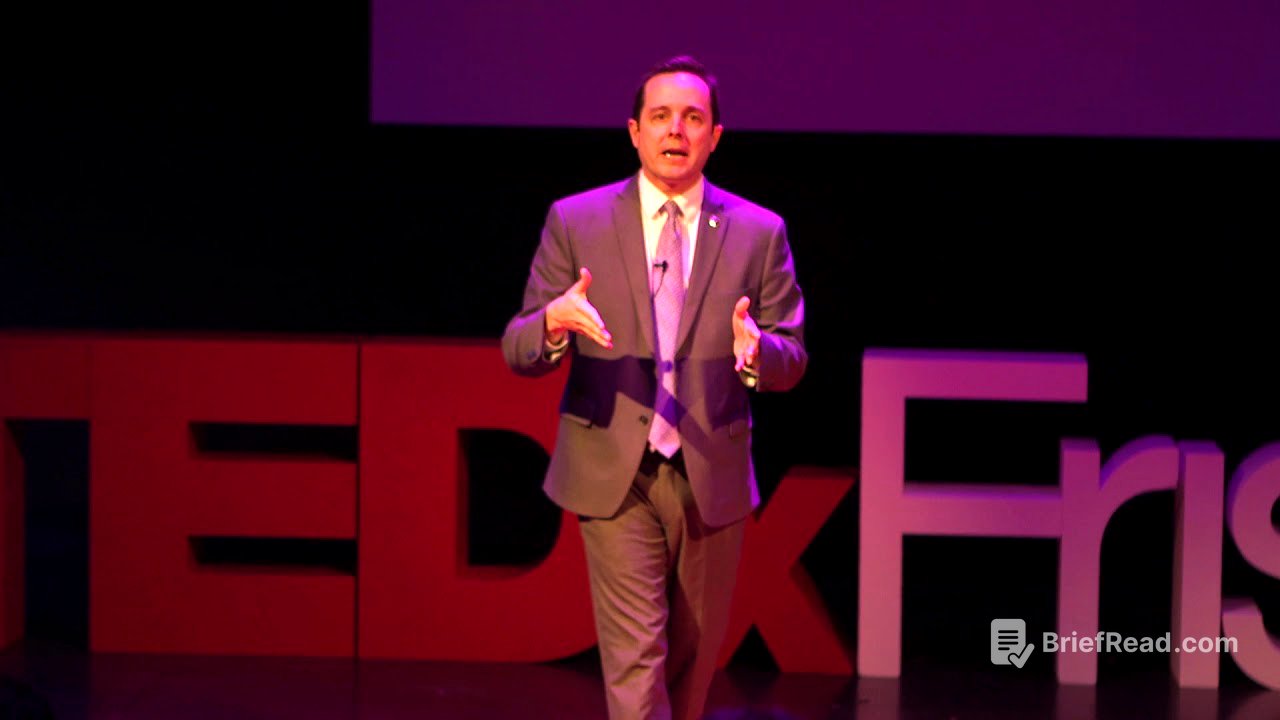
This TEDx Talk addresses the complex realities faced by victims of domestic violence. It emphasizes that decisions made by victims can often appear irrational to outsiders but are influenced by fear, love, and financial dependency. The speaker shares personal experiences and statistics to highlight the urgent need for understanding and support from society to help victims escape abusive situations and become survivors.
- Victims often stay in abusive relationships due to fear and emotional ties.
- The responsibility for violence should be placed on the abuser, not the victim.
- Collective action and understanding from the community are crucial in supporting victims.
Understanding Domestic Violence Victims [0:00]
The speaker begins by posing a provocative question about how one would react to being attacked by a stranger versus a loved one. This sets the stage for understanding the complicated emotions that victims of domestic violence experience. Statistically, most victims are women, and the speaker outlines the common judgments made about them, like the frequent question "Why didn’t she just leave?" The reality behind these decisions is explored, revealing a mix of emotional and practical challenges that complicate their circumstances.
Judging the Choices of Victims [4:00]
The speaker recounts a personal case where a victim pleaded not to prosecute her abuser, highlighting the emotions and confusion that often envelop victims of domestic violence. Instead of focusing on the abuser's actions, the speaker reflects on their own frustration with the victim's choices, realizing that their judgment stemmed from a lack of understanding of the victim's perspective. This chapter stresses the importance of empathy and understanding the victim's situation rather than blaming them.
Why Don't They Just Leave? [8:00]
The speaker emphasizes that leaving an abusive relationship is fraught with danger, with victims facing a higher risk of violence post-separation. Various factors play into a victim's decision to stay, including emotional attachment, fear of financial instability, and a dislike for uncertainty. The metaphor of observing a shark’s fin encapsulates the idea that familiarity with danger can feel safer than the unknown consequences of leaving.
What Can Be Done? [11:30]
The speaker proposes proactive steps that individuals can take to support victims of domestic violence. It starts with recognizing that the victim's perspective is different, encouraging society to judge the perpetrator's actions rather than blaming the victim. Questions should change from "Why doesn't she just leave?" to "How can we help her?" The need for collective responsibility is highlighted, as domestic violence affects not only the victim but also children and society at large. Support can be offered in various forms, including providing safe spaces and financial assistance.
Concluding Thoughts [14:40]
The closing remarks reiterate that domestic violence will always exist, but individuals have the power to enact change by choosing to support victims and not allowing societal norms to dictate their responses. Each person can play a role in helping victims transition from a state of abuse to survival, reinforcing the necessity of understanding and active involvement within the community.