TLDR;
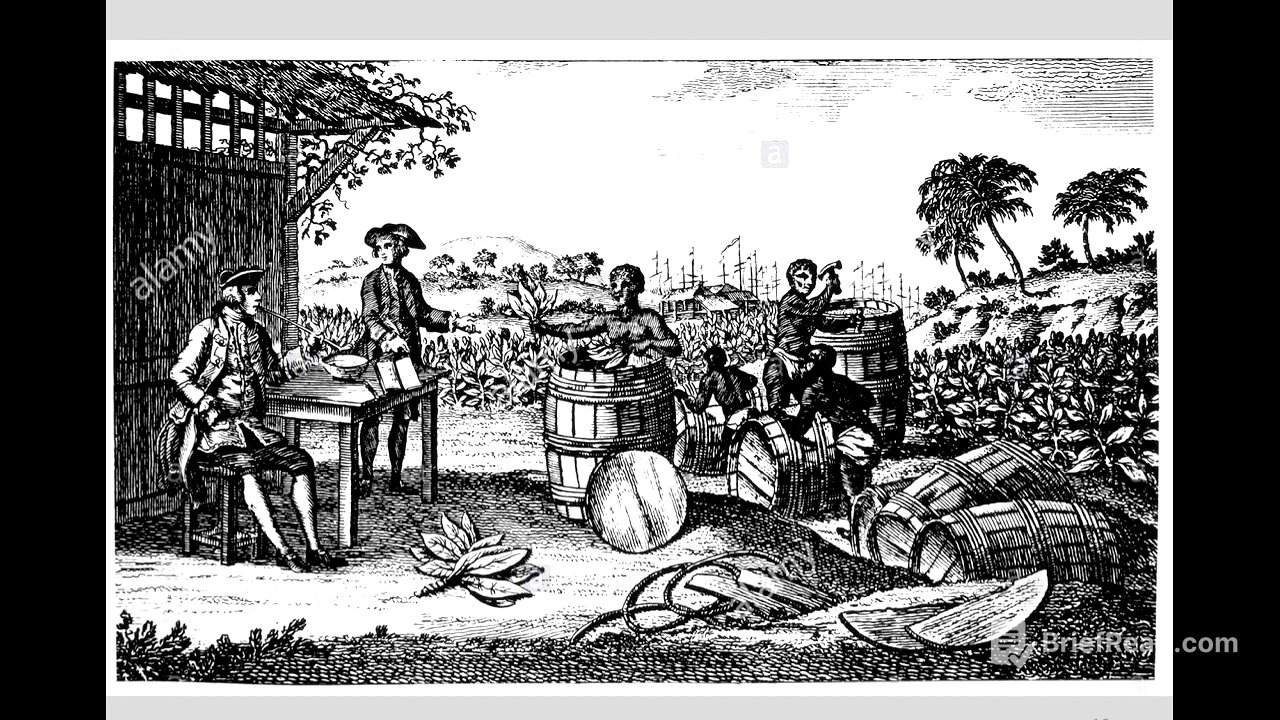
This lecture focuses on the history of slavery in the British American colonies, emphasizing the paradox of American slavery and freedom. It explores how the rise of liberty and equality was accompanied by the simultaneous rise of slavery, particularly in Virginia. Key points include the transition from indentured servitude to slavery, the socio-political dynamics of slavery, and how these historical elements shaped American society.
- American history embodies a paradox of slavery and freedom.
- The transition from indentured servitude to chattel slavery was influenced by economic, social, and political factors.
- The emergence of slavery tied into class tensions and the social landscape of the colonies.
Slavery and Freedom in American History [0:00]
The lecture opens by discussing the paradox of American slavery and freedom. While American history often highlights themes of liberty and democracy, a significant portion of the population—about 150,000 people—were enslaved during the American Revolution. The speaker notes that the freedom of certain groups was built on the unfreedom of others, particularly in the case of lower-class whites who gained power by disenfranchising enslaved individuals. This highlights how slavery became racialized, with the freedom of some people relying on the oppression of others.
The Beginnings of Slavery in Virginia [4:00]
The lecture transitions to the origins of slavery in Virginia, which received its first African slaves in 1619. Initially, many Africans arrived as indentured servants rather than lifelong slaves. Despite suffering high mortality rates, Virginia's population began to increase significantly post-1650, leading to labor shortages. The speaker notes that owning slave labor became advantageous around this time, marking a shift away from indentured servitude and establishing the foundation for racialized slavery.
Social Dynamics and Economic Shift [8:00]
Social dynamics evolved as a new class of free black and poor white former indentured servants emerged. This shift created tensions among the ruling elite, who feared a rising lower class. As social problems akin to those in 17th-century England resurfaced, the elite began clamping down on the freedoms of white indentured servants as well. Ultimately, the solution they pursued was the establishment of racial slavery, drawing a color line that allowed poorer whites to differentiate themselves from enslaved Africans.
Legalization of Slavery and the Emergence of Slave Codes [14:00]
The onset of legally sanctioned slavery saw the introduction of restrictive slave codes, defining the legal differences between whites and blacks. These codes emerged in the British West Indies and soon took root in American colonies. Slaves faced severe penalties for various offenses, including the inability to leave a plantation or own weapons. By 1682, Virginia implemented laws that dictated how slaves could be treated, setting the tone for harsh treatment and disallowing personal liberties.
Forms of Resistance and Slave Rebellions [20:00]
The lecture discusses various forms of slave resistance, including work slowdowns, sabotage, and organizing uprisings. One significant example is the Stono Rebellion in South Carolina, where slaves attempted to escape to Spanish Florida for freedom. Despite their efforts, they were met with severe repression, resulting in fatal consequences for many involved. The rebellion demonstrated the deep discontent among slaves and reflected their struggles against the oppressive system.
Impact on Family Structures among Enslaved Africans [26:00]
The lecture also highlights the disruption of family life among enslaved Africans. Legal codes did not recognize slave marriages, leading to complicated familial situations and often separating families at the owner's discretion. Although there were instances of slave marriages, these had to be authorized by the owners, and instability persisted due to the lack of rights and protection from violence.
Slavery in the Northern and Middle Colonies [32:00]
In contrast to the South, slavery existed at a much smaller scale in the Northern and Middle Colonies, comprising only about 3% of the population. Slaves in these regions often held skilled positions and were typically involved in urban labor, such as working in shipyards or as domestic servants. The Quakers played a pioneering role in advocating against slavery, seeking to challenge notions of racial inferiority and support initiatives to enhance the status of free blacks.
Conclusion and Overview of Next Lecture [40:00]
The lecture concludes with a preview of the next discussion focused on the autobiography of Olaudah Equiano, which serves as a primary source for understanding the lived experiences of enslaved individuals. The speaker expresses the significance of this text in studying the history of slavery and encourages engagement with the material.