TLDR;
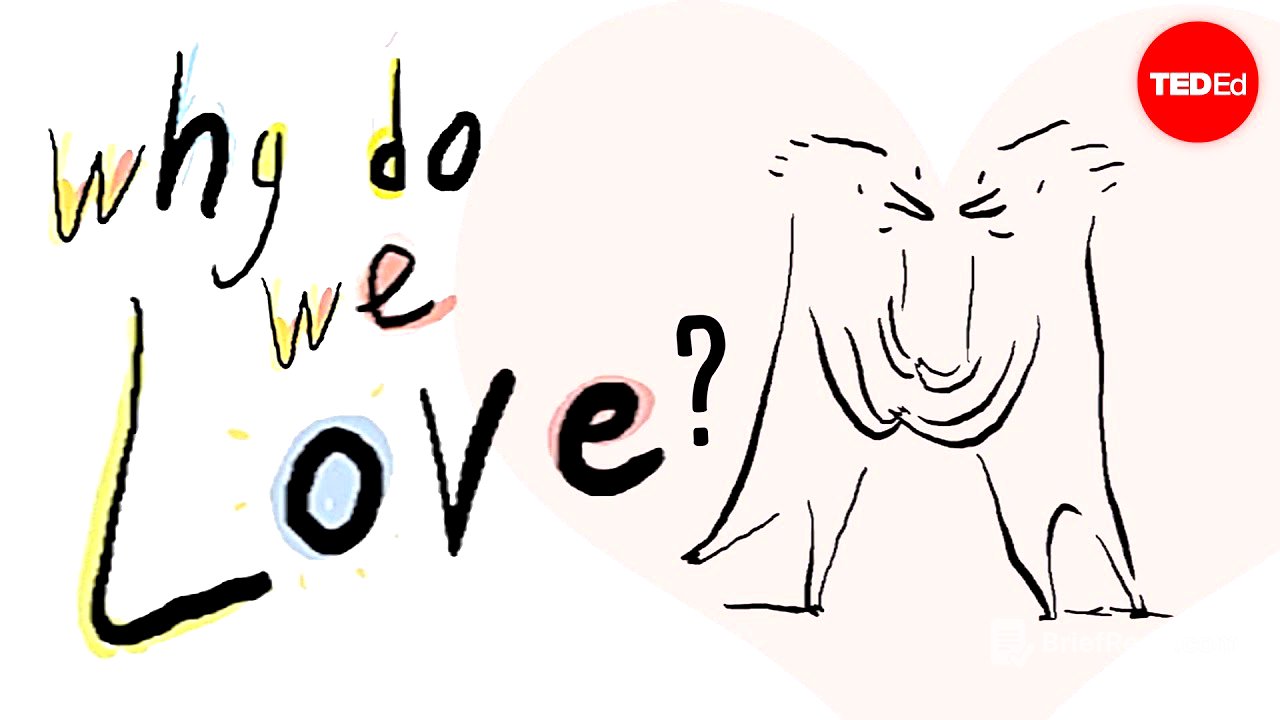
This TED-Ed video explores the philosophical perspectives on romantic love, questioning its purpose and impact on our lives. It examines whether love is a path to wholeness, a biological trick for procreation, an escape from loneliness, or a misleading affliction. The video also touches upon how to love authentically, emphasizing mutual support and personal growth.
- Philosophers like Plato, Schopenhauer, Russell, Buddha, and Beauvoir offer diverse views on love.
- Love is portrayed as both a source of suffering and a potential enrichment of life.
- The video encourages viewers to consider the meaning and authenticity of love in their own lives.
Introduction: The Enigma of Romantic Love [0:07]
The video starts by acknowledging the complex nature of romantic love, highlighting its beautiful, intoxicating, heartbreaking, and soul-crushing aspects. It questions the reasons behind our pursuit of love, asking if it provides meaning or serves as an escape from loneliness and suffering. The intro also wonders if love is merely a disguise for sexual desire or a biological mechanism for procreation. Ultimately, it points out that neither science nor psychology has definitively uncovered the purpose of romantic love, but philosophers have offered intriguing theories throughout history.
Plato: Love Makes Us Whole, Again [0:46]
Plato, the ancient Greek philosopher, believed that love is a quest to regain completeness. He uses Aristophanes' story from "Symposium" to illustrate this point. The story describes humans as once having four arms, four legs, and two faces, but they were split in two by Zeus as punishment. Since then, each person has been searching for their other half, their soulmate, to feel whole again. So, according to Plato, love is basically that longing to find the person who completes you.
Schopenhauer: Love Tricks Us into Having Babies [1:31]
Arthur Schopenhauer, a German philosopher, argued that love, rooted in sexual desire, is a deceptive illusion. He thought we fall in love because our desires make us believe that another person will bring us happiness, but this is a mistake. According to Schopenhauer, nature tricks us into procreating, and the fusion we seek is actually fulfilled through our children. Once sexual desires are satisfied, we're thrown back into our miserable existence, only succeeding in perpetuating the human species and its drudgery.
Russell: Love Is Escape from Our Loneliness [2:13]
Bertrand Russell, a British philosopher and Nobel laureate, proposed that we love to satisfy our physical and psychological needs. He said that humans are designed to procreate, but sex without passionate love is unsatisfying. Our fear of the harsh world leads us to build protective barriers, isolating ourselves. Love, with its delight, intimacy, and warmth, helps us overcome this fear, escape our lonely shells, and engage more fully in life. In essence, love enriches our entire being, making it the best thing in life.
Buddha: Love Is a Misleading Affliction [2:54]
Buddha believed that we love because we're trying to satisfy our basic desires, but these passionate cravings are actually flaws. Attachments, including romantic love, are a major source of suffering. Buddha discovered the Eightfold Path as a way to extinguish these desires and reach Nirvana, a state of peace, clarity, wisdom, and compassion. The video uses the example of Jia Rui from "Dream of the Red Chamber" to illustrate how romantic love can lead to tragedy and should be avoided.
Beauvoir: Love Lets Us Reach Beyond Ourselves [4:20]
Simone de Beauvoir, a French philosopher, suggested that love is the desire to connect with another person, giving our lives meaning. She focused more on how to love better rather than why we love. Beauvoir saw that traditional romantic love can be so captivating that it becomes our sole purpose, leading to dependence, boredom, and power struggles. To avoid this, she advised loving authentically, like a great friendship, where lovers support each other in self-discovery, reaching beyond themselves, and enriching their lives and the world together.
Conclusion: The Rollercoaster of Love [5:13]
The video concludes by acknowledging that while we may never fully understand why we fall in love, it's definitely an emotional rollercoaster. It's both scary and exhilarating, causing both suffering and joy. We might lose ourselves or find ourselves along the way. Love can be heartbreaking, but it might also be the best thing in life. The video ends with a question, daring the viewer to find out for themselves.